
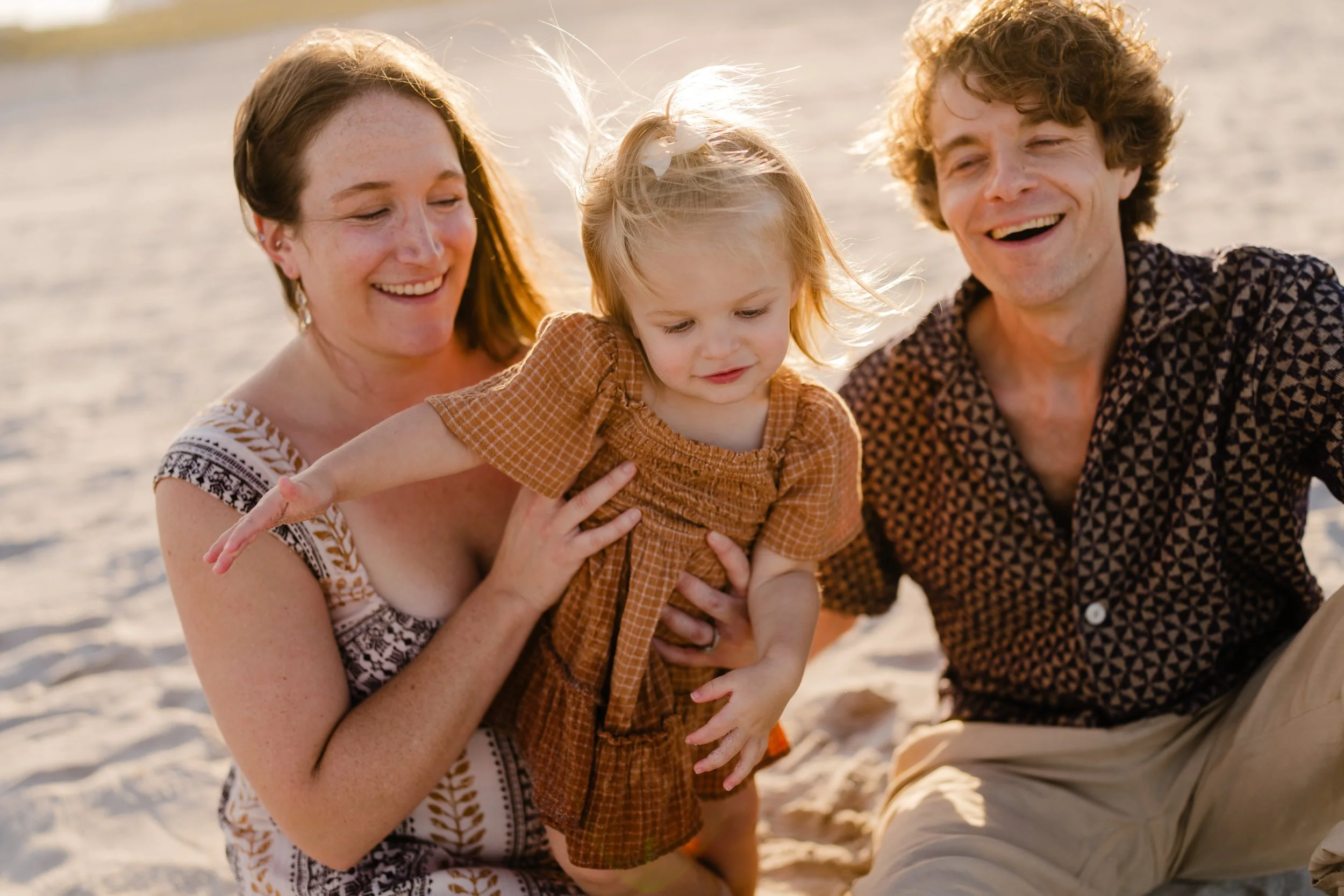
A child will not remember whether everyone stood perfectly still. They will remember being tucked against a parent’s shoulder, racing across the lawn, laughing when a sibling made a face, or holding a grandparent’s hand. The best family photography makes room for those small, unmistakably real moments while giving you portraits you will be proud to frame.
For many families, the hesitation is understandable. You may worry that the kids will not cooperate, that everyone will feel awkward, or that a session will become another task on an already full calendar. A thoughtful photography experience should lower that pressure, not add to it. With a little planning and calm direction, your family can look polished without looking posed.
What Family Photography Should Preserve
A family portrait is more than proof that everyone was together on a particular day. Years from now, the details that feel ordinary now will become the ones you reach for: a toddler’s dimpled hands, a teenager’s familiar half-smile, the way your partner looks at the children when they are not paying attention.
That is why a complete gallery needs more than everyone-facing-the-camera images. Those portraits matter, especially for holiday cards, albums, and gifts. But the photographs that often gain the deepest meaning are the in-between frames: a child leaning in, siblings whispering, grandparents watching the action unfold, and the quiet breath after a big laugh.
At Delgado Studios, the approach is built around both. You receive clear, efficient guidance for the portraits that deserve a place on the wall, along with unobtrusive coverage that allows the natural rhythm of your family to show through. The result is refined, but never stiff.
Choose a Setting That Gives Your Family Room
The right location is less about finding the most dramatic backdrop and more about choosing a place that fits the feeling you want to remember. A favorite beach, neighborhood park, city block, family home, or garden can all work beautifully. What matters is that the space supports the people in it.
Outdoor locations offer movement, open light, and room for young children to explore. They are often a strong choice for active families or larger groups that benefit from a little breathing room. The trade-off is that weather, crowds, and seasonal conditions need a flexible plan.
An at-home session can feel especially personal. Children usually settle more quickly in familiar surroundings, and the images may hold details you will treasure later: the kitchen where everyone gathers, the nursery you carefully prepared, or the front steps where your family has grown. These sessions work best when there is access to window light and when you are comfortable letting your home look lived-in rather than perfectly staged.
For extended families, consider logistics before aesthetics. Choose a setting with easy parking, minimal walking, seating nearby for older relatives, and a backup option if the weather changes. A beautiful location is not worth creating stress for the people you most want present in the photographs.
Time the Session for Real Life
Good light matters, but your family’s energy matters just as much. Soft evening light is lovely, yet it may not be ideal if it overlaps with a toddler’s bedtime. Morning can be a wonderful alternative for young children who are happiest early, while late afternoon often works well for school-age kids and adults.
Be honest about naps, meals, sports schedules, and travel time. Building the session around your actual life is not a compromise. It is one of the best ways to create relaxed expressions and genuine connection.
Wear Clothes That Belong Together, Not Costumes
Coordinating outfits does not mean matching everyone exactly. In fact, identical shirts and jeans can make a family portrait feel dated quickly. Think in terms of a shared color palette with variation in texture, tone, and silhouette.
Start with two or three complementary colors, then layer in neutrals. Soft blue, cream, sage, warm gray, muted rust, and denim often photograph beautifully, but the best palette is one that feels like you. If your home is full of bold color and personality, your clothing can reflect that in a measured way.
Avoid large logos, distracting graphics, and very small high-contrast patterns, which can pull attention away from faces. Comfort also matters. A child tugging at an itchy collar or a parent worrying about an outfit will have a harder time being present.
Choose clothing that allows for movement. The most natural images often happen when you can pick up your child, sit on the ground, walk hand in hand, or gather close without adjusting every few seconds. A flowing dress, well-fitted denim, a textured sweater, or a simple shirt with an open collar can look elevated while still feeling easy.
Let Children Be Themselves
Children do not need to perform for great photographs. They need permission to be curious, silly, affectionate, and occasionally restless. Asking a young child to smile at the camera for an hour is a recipe for frustration. Asking them to show you how fast they can run, tell a parent a secret, or squeeze in for a group hug creates opportunities for authentic expression.
Before the session, keep the explanation simple. Tell children they are going to spend time together and have some pictures taken. Avoid framing it as a test of good behavior or promising a reward only if they smile. Pressure tends to show up in their faces.
Bring water, a small snack that will not stain clothing, and one comfort item if it helps. If a child needs a few minutes to warm up, that is normal. Experienced direction includes knowing when to engage, when to step back, and when to move on before a moment becomes a battle.
Parents set the emotional temperature. If you can resist apologizing for every burst of energy or imperfect smile, your children are more likely to relax. Some of the most beloved frames come from the unscripted moments between the “official” photographs.
Make Space for the Portraits That Matter Most
A relaxed session still benefits from a plan. Before the day, share the people and relationships that matter most to you. Maybe you need a current portrait of the full family, grandparents with every grandchild, siblings together, or a quiet image of just you and your partner. Naming those priorities helps ensure they are not lost in the activity of the session.
For extended-family photography, begin with the largest group while everyone is fresh and accounted for. Then work through smaller combinations. This keeps the experience efficient, especially for older relatives and young children, and frees people to relax once their essential portraits are complete.
A photographer should guide posing in a way that feels natural. Small adjustments to where hands rest, how shoulders turn, and where people stand can make a significant visual difference. You do not need to know what to do. You simply need someone who can offer clear direction without turning the session into a series of rigid instructions.
Trust the In-Between Moments
The most lasting family photographs are rarely created by asking everyone to look at the camera nonstop. They are created in the seconds after the portrait, when someone laughs at a joke, a child reaches up, or a grandparent pulls a loved one close.
That is also why it helps to leave a little margin around the session. Rushing from one obligation to the next makes it difficult to settle in. Arrive with enough time to park, adjust clothing, and take a breath. If weather or a child’s mood asks for patience, a calm pace gives the experience room to work.
You do not need a perfectly coordinated family or a flawless day to create photographs worth keeping. You need the people you love, a setting where they can be themselves, and the willingness to be present with one another. The laughter, the motion, and even the wonderfully imperfect moments are part of the story you will want to remember.