
Corporate Event Photographer NJ: What to Look for Before You Hire
Corporate Event Photographer NJ: What to Look for Before You Hire
When you're planning a corporate event in New Jersey, photography can easily become one of those items that gets pushed toward the bottom of the checklist. But the photographs created during your event can continue working for your company long after the room has emptied.
The venue is booked. Speakers are confirmed. Catering is handled. Invitations are out. Then someone asks an important question: Who is photographing all of this?
Choosing a corporate event photographer shouldn't be an afterthought. Images from your event may eventually appear on your website, LinkedIn, social media, press releases, newsletters, annual reports, recruitment materials and advertising for next year's event.
That's why hiring a corporate event photographer in New Jersey involves more than finding someone who owns professional camera equipment.
You want a photographer who understands corporate environments, can work quickly without becoming a distraction and knows how to create both candid storytelling images and polished photographs that represent your organization professionally.
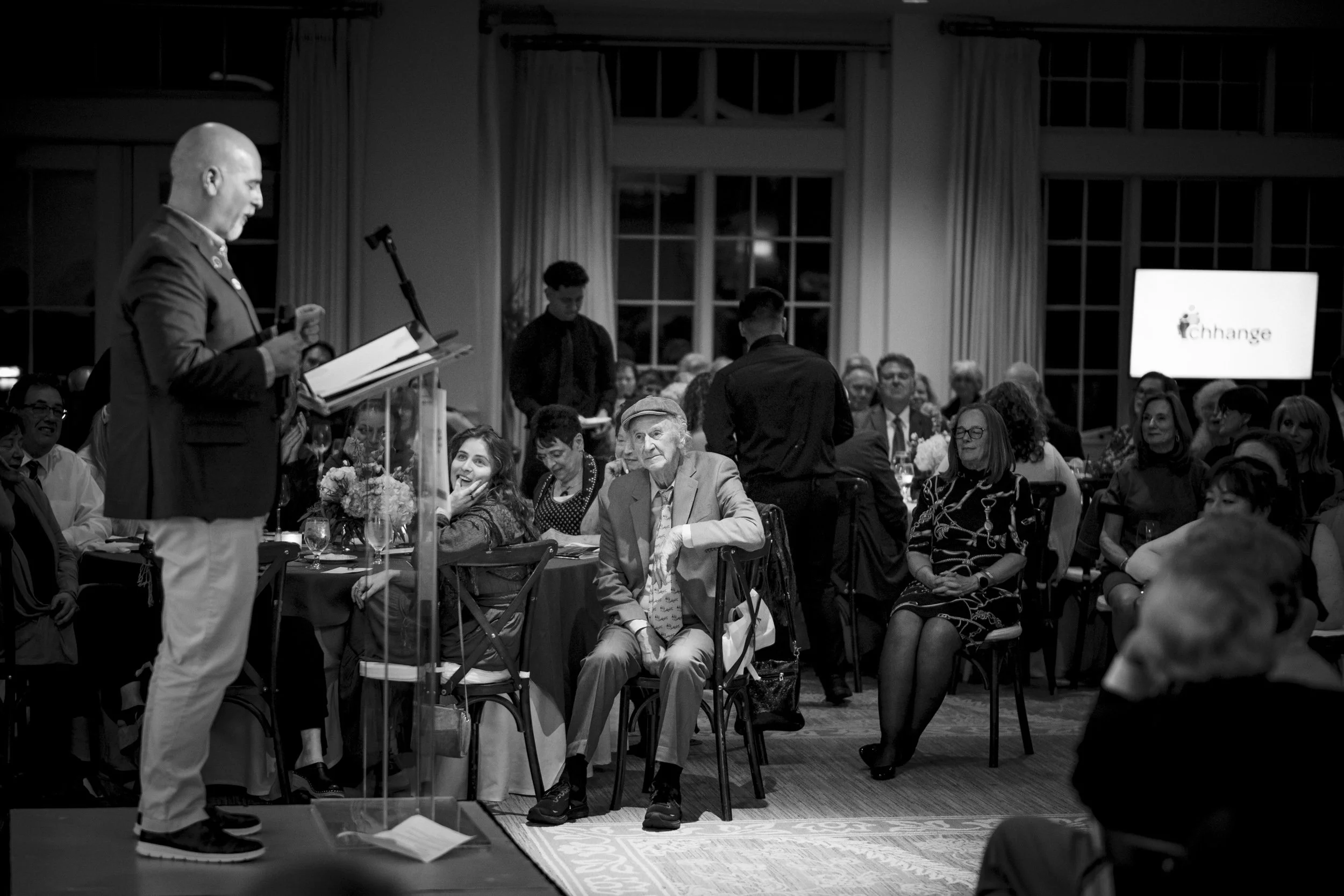
1. Look for Experience Photographing Real Corporate Events
Corporate events present a very different set of challenges from a controlled portrait session.
The photographer doesn't get to stop the event and ask everyone to do something again.
A CEO shaking hands with an award recipient may happen once. An audience laughing at something a keynote speaker says lasts only a few seconds. An interaction between colleagues during cocktail hour may disappear the moment someone notices the camera.
A good corporate event photographer learns to anticipate those moments rather than simply react to them.
When reviewing a photographer's portfolio, look for actual event coverage that includes a variety of situations:
- Keynote speakers and presentations
- Panel discussions
- Networking
- Awards presentations
- Audience reactions
- Group photographs
- Executives and VIPs
- Cocktail hours
- Branding and signage
- Wide photographs showing the venue and attendance
A portfolio should show that the photographer can handle an entire event rather than simply produce a few impressive photographs under ideal conditions.
2. Your Photographer Should Understand the Purpose of Corporate Images
Corporate event photographs aren't simply keepsakes. They are business assets.
A marketing department may need images from the same event for completely different purposes.
A wide photograph showing a packed conference room might be perfect for advertising next year's event. A photograph of the CEO speaking could accompany a press release. A candid photograph of employees interacting may be ideal for LinkedIn.
A photograph showing a sponsor's logo could be important for demonstrating sponsor visibility. An environmental portrait of an executive might eventually find its way onto the company's website.
A corporate photographer shouldn't only be thinking, "Is this a good photograph?" The photographer should also be thinking, "How can the company use this photograph?"
That's an important distinction because it changes the way an experienced corporate photographer approaches an event.
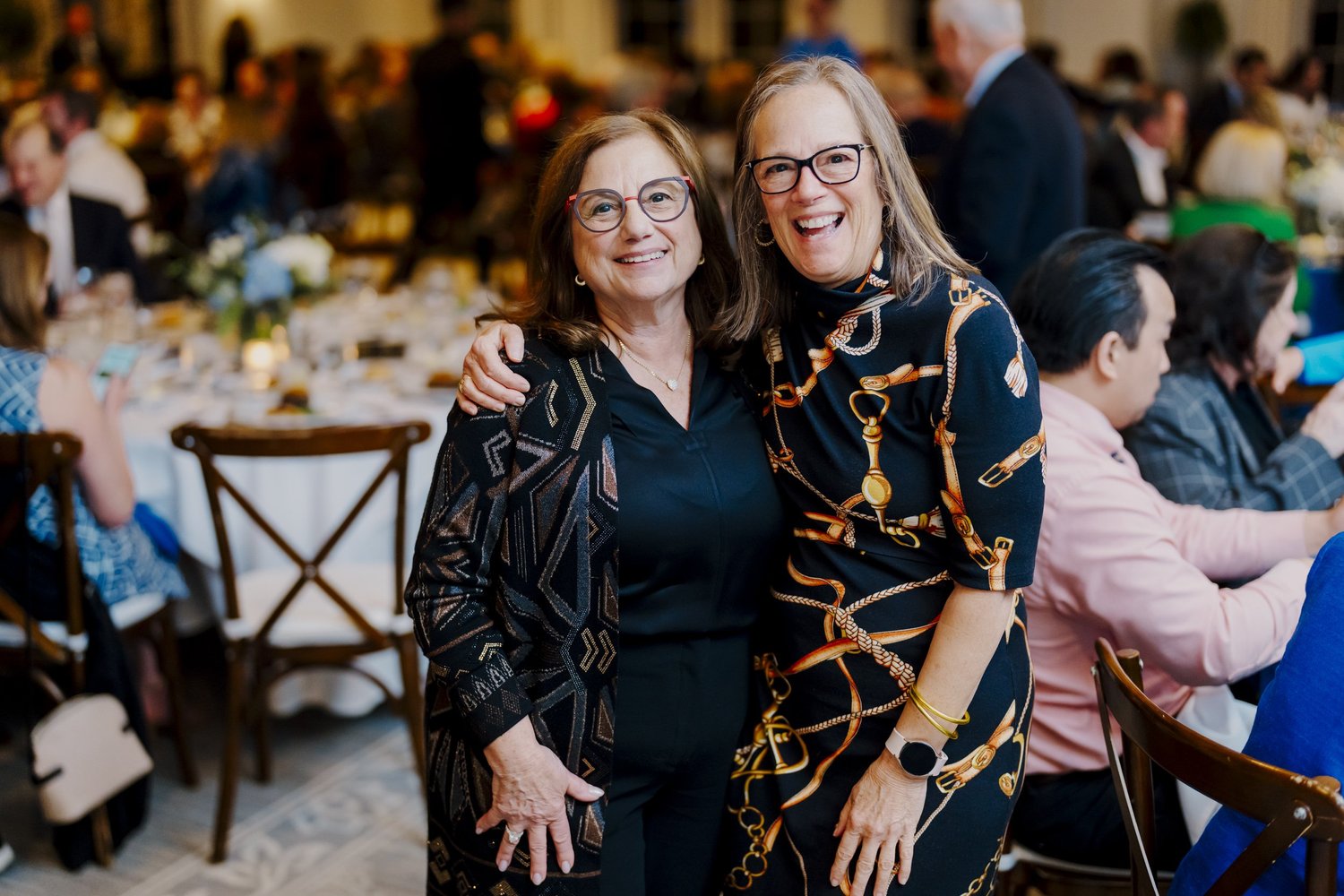

3. Look for Both Candid and Polished Photography
Some of the most effective corporate event photography happens when people aren't looking at the camera.
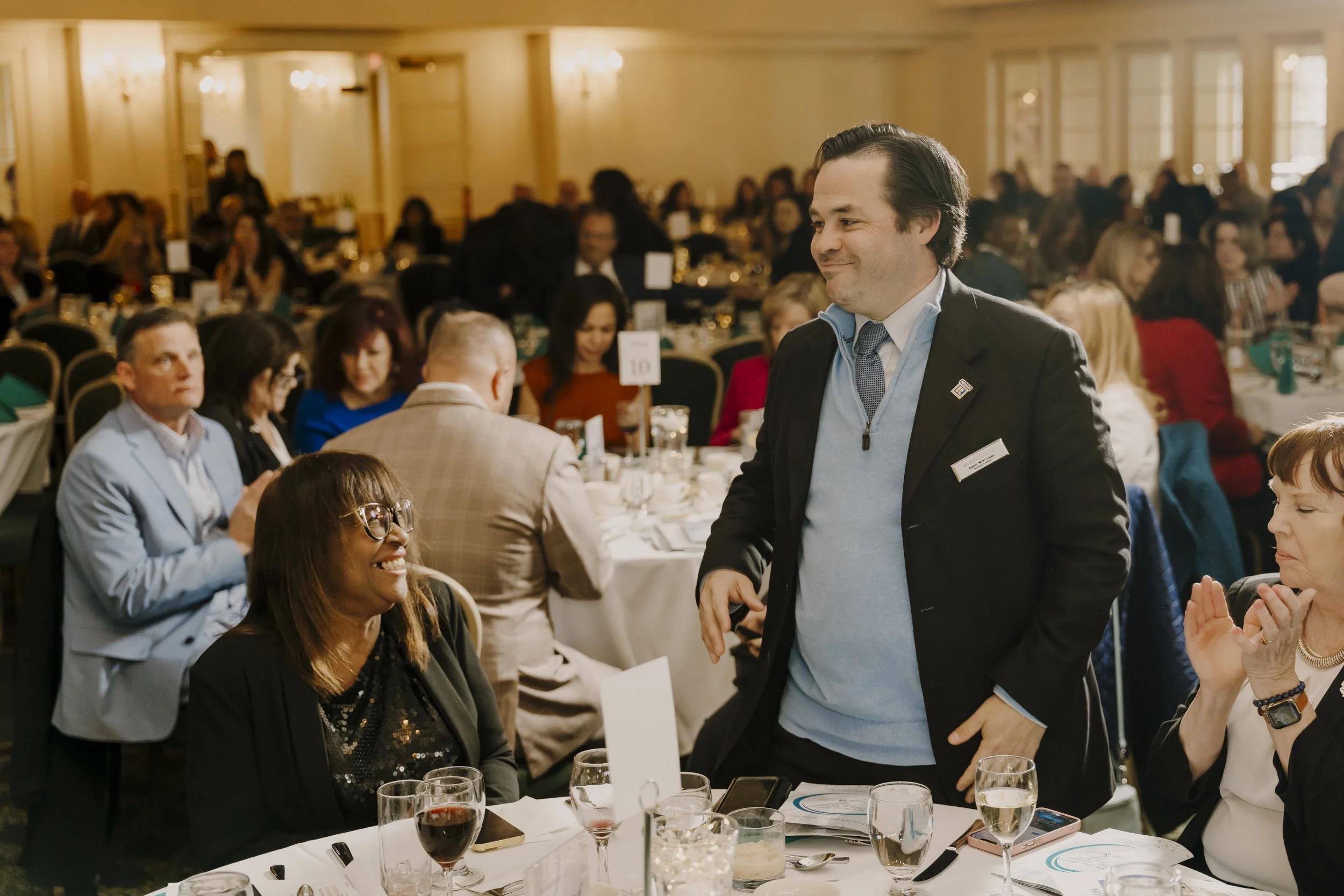
A genuine conversation between colleagues. Someone reacting to a speaker. A handshake. People laughing during cocktail hour. An executive talking with employees. Guests interacting with a product or display.
These photographs communicate something that's difficult to manufacture: the personality of an organization.
My approach at Delgado Studios is heavily influenced by documentary photography. I want to observe what's happening and capture genuine interactions without constantly interrupting people or asking them to pose.
But corporate photography also requires polish.
There are moments when the photographer needs to take control. An executive portrait needs to look intentional. An award recipient needs a clean photograph. A group photo needs everyone visible. A branded step-and-repeat needs proper exposure.
The strongest corporate event gallery includes both: natural candid moments and polished professional images.
4. Make Sure the Photographer Can Handle Difficult Lighting
Corporate venues aren't designed around photographers.
Hotel ballrooms can be dark. Conference rooms can have unattractive overhead lighting. Stages may have an extremely bright LED screen behind a speaker while the rest of the room is nearly black.
One side of a room may be illuminated by daylight while another side is lit by tungsten light or colored uplighting.
Then the cocktail hour begins and the lighting conditions change again.
An experienced event photographer needs to understand when the existing light works and when additional professional lighting is necessary.
Flash doesn't automatically have to produce photographs that look harsh or distracting. Used properly, professional lighting can create clean photographs while preserving the atmosphere of the room.
When you're reviewing a photographer's work, don't only look at photographs taken outside or next to beautiful windows.
Look at the difficult photographs.
Can the photographer make a dark ballroom look good?
That's often a much better test.
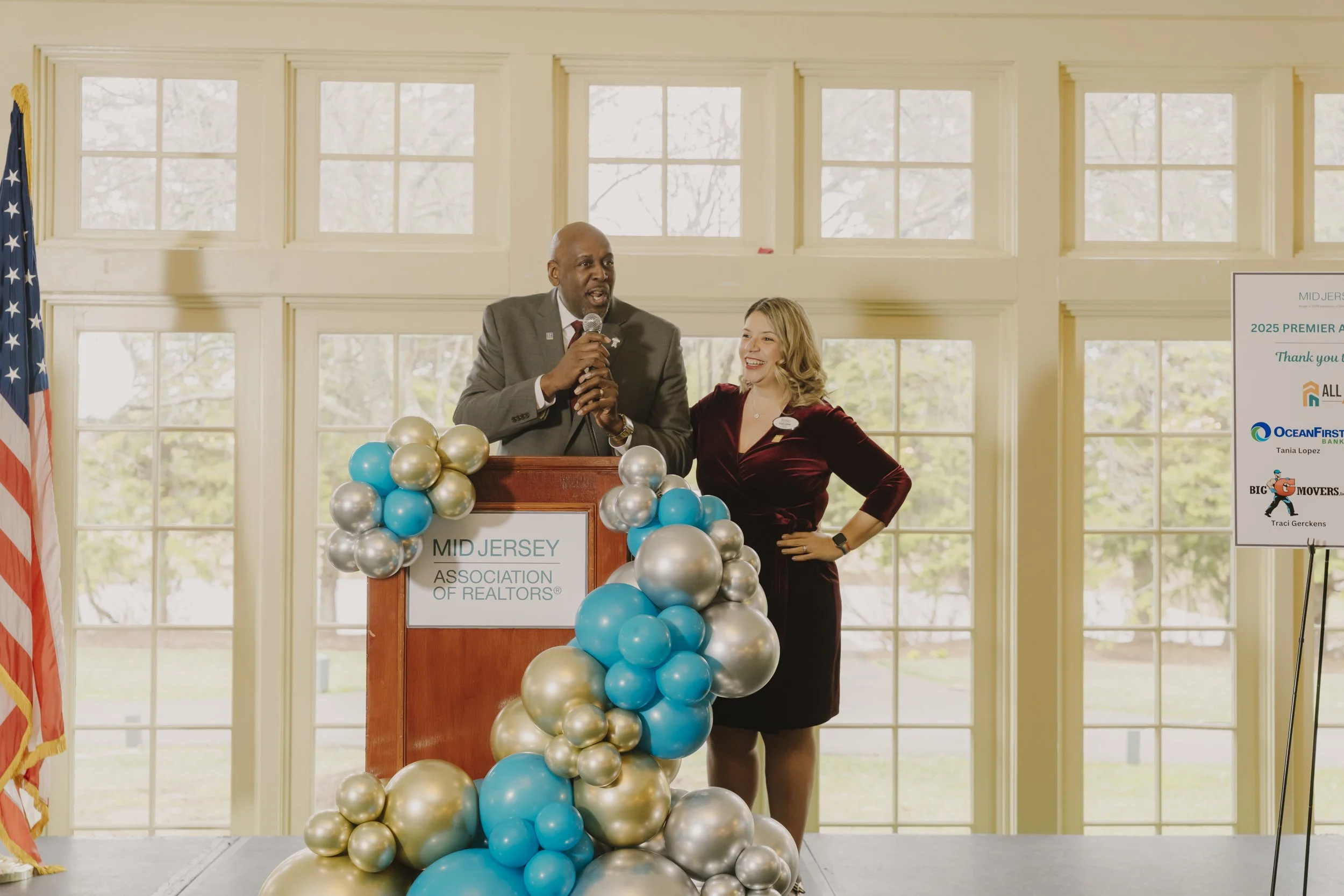
5. Speakers Need More Than One Photograph
If your event includes speakers, presentations or panel discussions, those portions of the event deserve special attention.
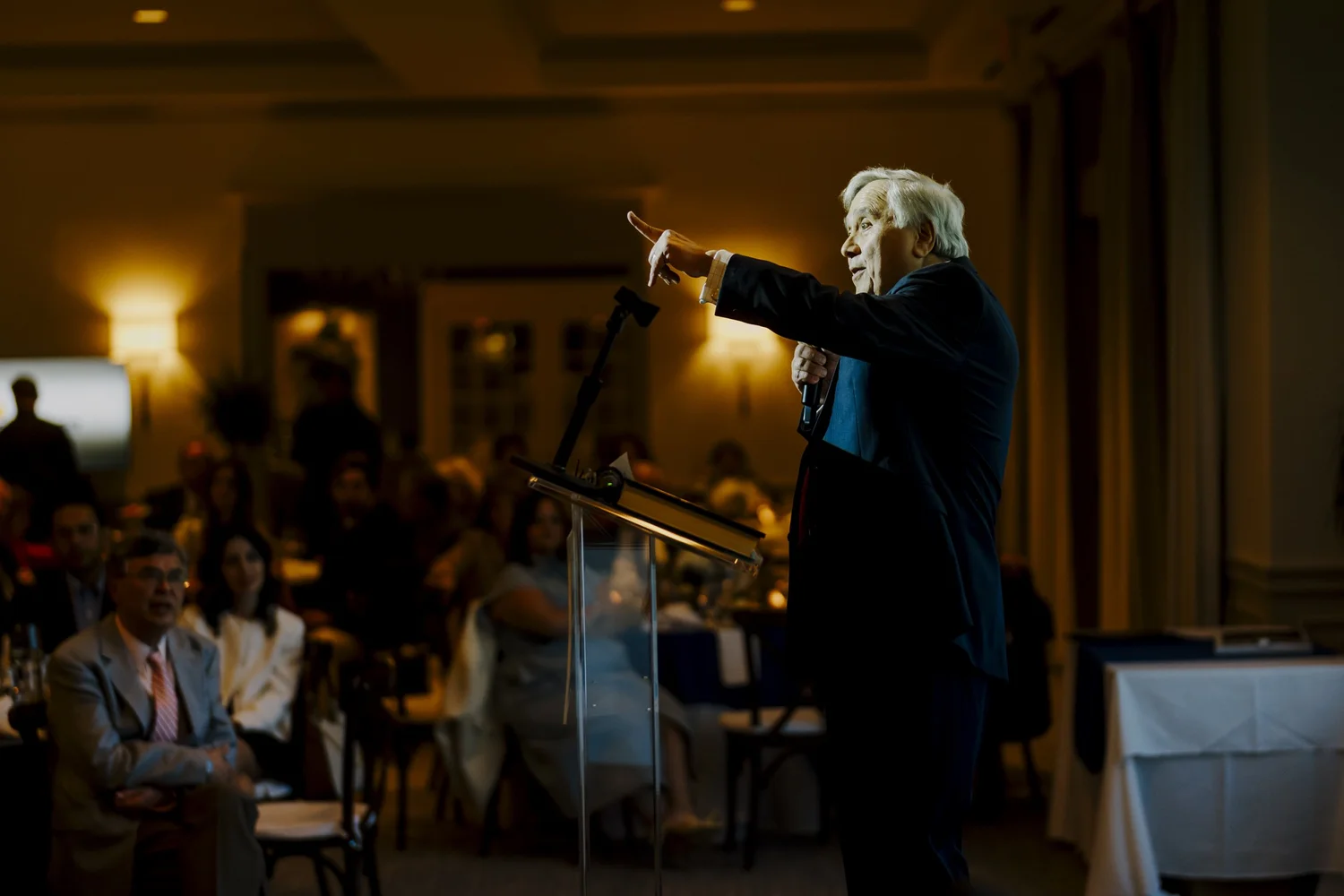
A speaker standing behind a podium for 45 minutes may sound easy to photograph. It isn't.
People make unusual expressions while they're speaking. Microphones can block faces. Presentation screens can be much brighter than the speaker. Stage lighting changes and speakers constantly turn their heads.
An experienced conference photographer works through those variables and looks for a variety of images rather than producing 50 photographs that all look exactly the same.
During a presentation I'll typically look for:
- Strong gestures and expressions
- Speaker and presentation-screen compositions
- Audience reactions
- Wide environmental photographs
- Interaction between panelists
- Applause
- Question-and-answer moments
- Different angles of the stage
The goal is to tell the story of the presentation rather than simply prove that someone stood behind a podium.
6. Branding Should Be Part of the Story
This is one of the biggest differences between photographing a private social event and photographing a corporate event.
The brand matters.
Companies may have invested significant time and money in signs, stage graphics, sponsor displays, product installations, printed materials, table signage and digital presentations.
Those details should appear in the photography.
But that doesn't necessarily mean taking boring straight-on photographs of signs.
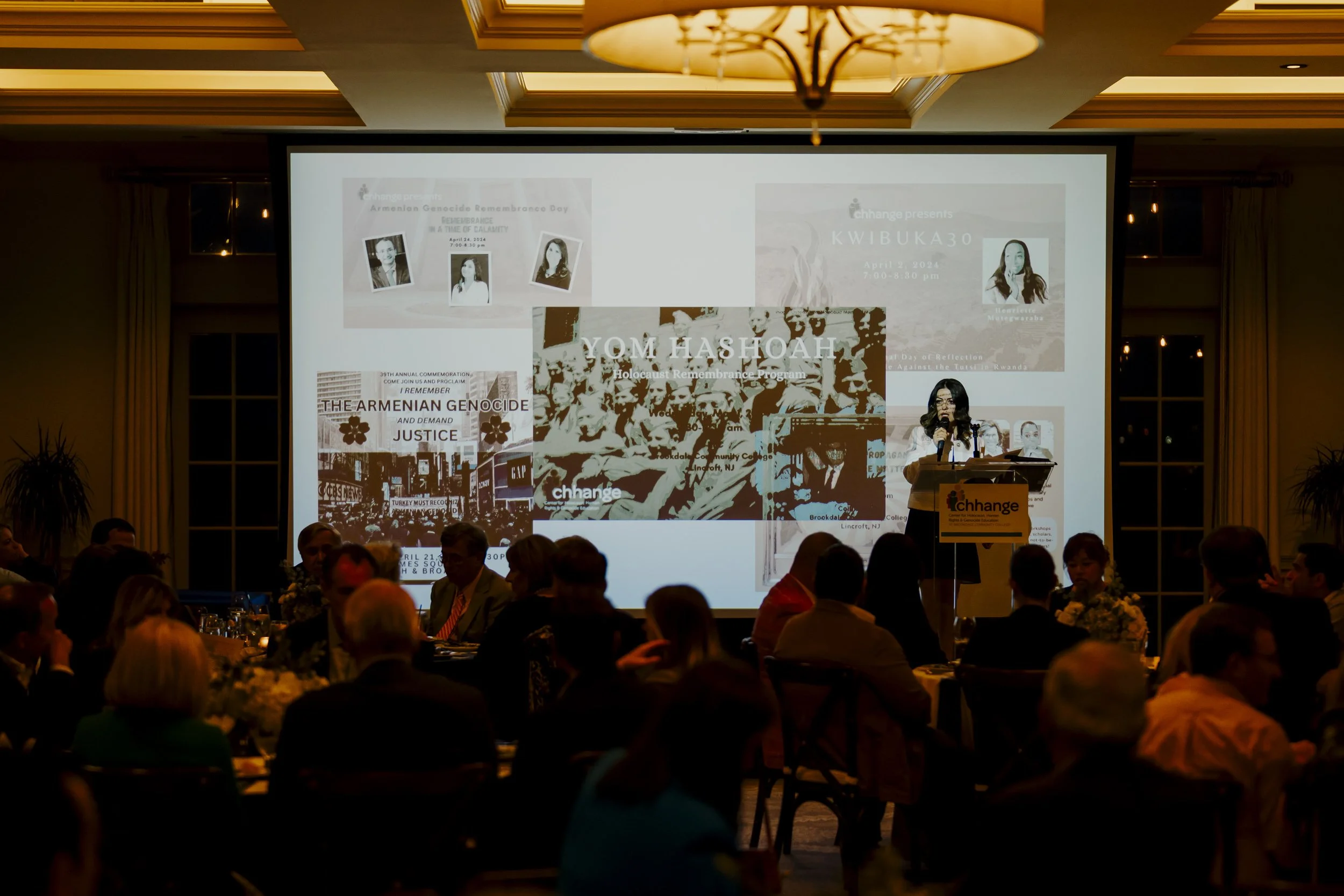
A stronger approach is often to incorporate branding naturally into the event. Photograph attendees interacting while the company logo appears in the background. Photograph a speaker with event branding visible on the screen. Photograph guests interacting with a sponsor activation.
Those images communicate both the experience and the organization behind it.
7. Discuss the Shot List Before the Event
I don't believe a corporate event should be photographed entirely from a rigid checklist.
If I'm staring at a list while something great is happening across the room, I'm doing something wrong.
But that doesn't mean planning isn't important.
Before an event, the photographer should know about the moments that absolutely cannot be missed.
That might include:
- The CEO or company leadership
- Keynote speakers
- Sponsors
- VIP guests
- Award recipients
- Specific groups
- Product announcements
- Ribbon cuttings
- Check presentations
- Important signage
- Specific networking sessions
- Scheduled group photographs
It's also important for the photographer to understand the event schedule.
If an award presentation begins at 8:00 PM, the photographer shouldn't discover at 7:58 that it's happening in another ballroom.
For larger conferences with simultaneous breakout sessions, you may also need more than one photographer.
The schedule and shot list provide the framework. Experience takes care of everything that happens between those scheduled moments.
8. Your Photographer Should Know When to Be Invisible
This part of corporate event photography doesn't get enough attention.
A corporate photographer isn't simply providing photographs. For several hours, that photographer is also representing the company that hired them.
Professionalism matters.
During a keynote address, I don't want attendees paying attention to me. I don't want to obstruct someone's view. I don't want to unnecessarily interrupt an executive conversation.
And I certainly don't want every networking interaction turned into, "Excuse me, can you guys look over here?"
Sometimes a posed photograph is appropriate. Most of the time, candid coverage is more effective.
Good event photography requires knowing when to engage with people and when to disappear into the background.
9. Ask About Backup Equipment
Professional events don't stop because a camera has a problem.
A working corporate photographer should have redundant professional equipment available, including backup camera bodies, lenses, flashes, batteries and memory cards.
Equipment failure isn't common, but professional preparation means it shouldn't become the client's problem.
The same philosophy applies to file handling.
Corporate photographs can have significant value to an organization, so the photographer should have an established workflow for safely handling and backing up those images.
It's not the glamorous part of photography.
But when you're hiring a professional, it's one of the things you're paying for.
10. Ask About Insurance
Many corporate venues require photographers and other vendors to carry liability insurance.
Some may request a Certificate of Insurance before allowing a vendor to work on the property.
If you're working with a professional event planner, hotel or corporate venue, the requirement may come up well before the event.
Ask about insurance during the hiring process rather than discovering the requirement a few days before your event.
11. Understand Image Delivery and Usage
Before hiring your photographer, understand what happens after the event.
Ask questions such as:
- How will the photographs be delivered?
- How long will delivery take?
- Will we receive high-resolution images?
- Can our marketing department use them?
- Can we use them on social media?
- Can we provide images to the press?
- Can sponsors use photographs in which they're featured?
- Is expedited delivery available?
The exact answers can vary between photographers and contracts, so don't assume.
Turnaround can be especially important for corporate events. Your marketing department may want photographs while the event is still timely.
Some organizations may even need a small selection of photographs quickly for social media, press releases or internal communications.
If fast delivery is important, discuss it with the photographer before the event.
12. Look at More Than Five Great Photographs
Almost every professional photographer can show you a handful of impressive images.
That's not necessarily what you're buying.
You're hiring someone to produce consistent coverage over several hours.
When evaluating a photographer, look at enough work to answer questions like:
- Do the photographs stay consistent in different lighting?
- Are candid photographs flattering?
- Do the group photographs look professional?
- Are speakers photographed well?
- Does the photographer capture branding and details?
- Can they photograph both bright and dark environments?
- Does the collection actually tell the story of the event?
A portfolio should give you confidence that the photographer can deliver an entire event, not simply create one spectacular photograph.

What Types of Corporate Events Can Be Professionally Photographed?
Corporate event photography covers a much wider range of events than many people realize.
Professional coverage can include:
- Corporate conferences
- Networking events
- Awards ceremonies
- Company celebrations
- Galas
- Fundraisers
- Annual meetings
- Executive gatherings
- Holiday parties
- Brand activations
- Product launches
- Trade shows
- Association events
- Panels and presentations
- Employee events
- Client appreciation events
Some events may require only a few hours of photography. Others may involve an entire day or multiple photographers.
The photography should be built around the event rather than forcing every company into exactly the same type of coverage.
Corporate Event Photography Throughout New Jersey
New Jersey offers an enormous variety of corporate venues, convention spaces, hotels, restaurants and business centers.
Delgado Studios provides professional corporate event photography throughout Central and Northern New Jersey, including Monmouth County, Middlesex County, Mercer County, Somerset County, Morris County, Union County, Essex County, Hudson County and Bergen County, as well as surrounding areas.
Coverage is also available for corporate events in New York City, Pennsylvania and Connecticut.
Whether you're organizing a small executive gathering, a networking event, an awards dinner or a large conference, the fundamental goal remains the same:
Create photographs that make the organization and the people behind it look their best.

Corporate Event Photography Is an Investment in Future Content
One of the strongest reasons to invest in professional event photography is that the value doesn't end when the event does.
Consider how many times one collection of photographs can be reused.
A marketing team may turn a single corporate event into months of content:
- LinkedIn posts
- Instagram and other social media content
- Company newsletters
- Blog articles
- Press releases
- Recruiting materials
- Website updates
- Sponsor communications
- Internal presentations
- Annual reports
- Advertising for the next event
Suddenly, the photographs aren't simply documenting a four-hour event.
They're creating an entire library of original content for the organization.
That's why I approach corporate event photography differently from simply taking pictures at an event.
I'm thinking about what you're going to do with those photographs tomorrow, next month and next year.
Questions to Ask Before Hiring a Corporate Event Photographer
- Can I see examples from actual corporate events?
- Have you photographed an event similar to ours?
- How do you handle difficult ballroom and stage lighting?
- Do you carry backup cameras and equipment?
- Are you insured?
- How many photographers does our event require?
- How will the photographs be delivered?
- What is the expected turnaround time?
- What image usage is included?
- Can we provide a list of VIPs and required photographs?
- Can expedited images be arranged if necessary?
- How do you coordinate with an event planner or marketing team?
Looking for a Corporate Event Photographer in New Jersey?
If you're planning a conference, gala, networking event, awards ceremony, corporate celebration or other business event, I'd be happy to talk through what you're planning.
Delgado Studios provides professional corporate event photography throughout New Jersey and the surrounding region, combining candid documentary coverage with polished professional imagery.
The goal isn't simply to document the event.
It's to create a collection of photographs your organization can continue using long after the event is over.
Planning a Corporate Event?
View more corporate event photography from Delgado Studios or get in touch with your event date, location and coverage needs.
View Corporate Photography Contact Delgado Studios