
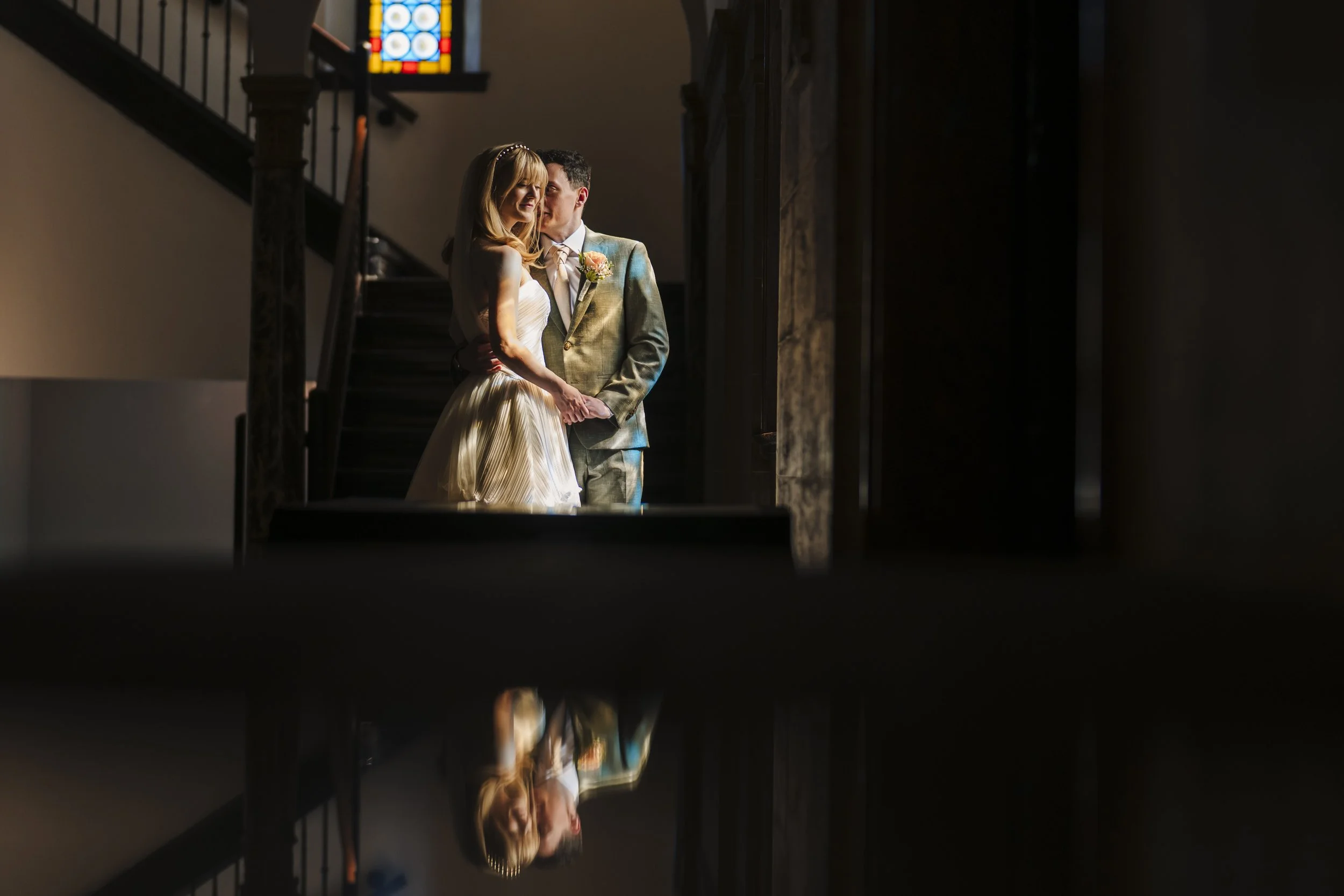
Do Photographers Direct Wedding Portraits Well?
The moment a couple hears the word “portraits,” the same concern often follows: Will we be told exactly how to stand for an hour? The short answer is yes, photographers do direct wedding portraits, but thoughtful direction should never make you feel like you are performing. It should help you look connected, relaxed, and entirely like yourselves.
At a wedding, portraits have a real job to do. They create the polished, frame-worthy images that honor how much care went into your day, from the way your dress moves to the people who gathered to celebrate with you. But the best portraits do not come from stiff poses or constant correction. They come from a photographer who knows when to guide, when to step back, and how to make space for real emotion.
Do Photographers Direct Wedding Portraits?
Yes. A skilled wedding photographer directs portraits because most people are not professional models, and they should not be expected to know what to do with their hands, where to look, or how to stand in flattering light. Clear, calm direction takes that pressure off you.
The difference is in the approach. Rather than placing you into a rigid pose and asking you to hold it, an experienced photographer may give you a simple starting point: turn toward the window, bring your hands together, take a slow walk, or lean in and tell each other what you are looking forward to at the reception. Those small prompts create movement and connection. They also leave room for the unscripted glance, laugh, or deep breath that makes an image feel alive.
Good direction is rarely loud or overly technical. You should not need to remember a long list of instructions. You should feel supported enough to stop worrying about the camera and return your attention to each other.
What Gentle Direction Looks Like on a Wedding Day
Wedding portrait direction usually begins with the practical details. Your photographer will look for clean backgrounds, flattering light, and enough space to photograph you comfortably. At a historic venue, that might mean using an elegant staircase or a quiet hallway. At a Jersey Shore celebration, it may mean timing portraits around softer evening light while keeping wind, sand, and guests in mind.
Once the setting is chosen, direction becomes more personal. A photographer may adjust the angle of your shoulders, suggest that you shift your weight, or place your bouquet in a way that feels natural and photographs beautifully. These details matter, especially in formal portraits, but they should happen quickly and without turning the experience into a lengthy production.
Then comes the part that cannot be manufactured: interaction. You may be asked to walk together, hold each other close, look at your partner instead of the camera, or simply pause for a second. The prompt is intentional, but what happens next belongs to you. That balance is where editorial polish and honest feeling meet.
Direction is not the same as posing all day
A wedding day is not a styled shoot, and it should not feel like one. Most couples want a few beautiful portraits, but they also want to hug their grandparents, enjoy cocktail hour, and feel the energy of the dance floor. A photographer who directs well understands that the portrait experience has to fit inside the larger celebration.
That means being prepared before the day begins. A well-built timeline identifies when family formals will happen, how much time is needed for couple portraits, and what can shift if hair and makeup runs late or the weather changes. With a plan in place, direction can be efficient and unhurried rather than rushed.
For many weddings, 15 to 30 focused minutes with the couple can create a strong variety of portraits, particularly when the photographer works with purpose. Some days call for more time, especially if you are traveling between locations, planning a first look, or want to use sunset light. The right amount depends on your priorities, not a one-size-fits-all formula.
Why Couples Often Feel Awkward at First
Feeling awkward in front of a camera is incredibly common, even for confident people. You are aware of your hands, your smile, your posture, and the fact that this is one of the most meaningful days of your life. Add a wedding dress, formalwear, and a full schedule, and it is understandable to feel a little self-conscious.
The answer is not to abandon portrait direction. It is to make it human. The most reassuring photographers explain what they are doing, keep instructions simple, and offer encouragement without forcing a certain personality onto the couple. If you are naturally quiet and affectionate, your portraits should not require nonstop big laughter. If you are playful and energetic, there should be room for that too.
A little direction can actually reduce awkwardness because it removes the question of what to do next. You do not have to invent a pose. You can focus on your partner while someone experienced handles the composition, light, and timing.
The Balance Between Candid Moments and Portraits
Couples sometimes worry that choosing polished portraits means sacrificing candid photography. It does not. These approaches work best together.
Portraits are intentional. They preserve the beauty of your attire, the environment you chose, and the two of you as you were at the start of your marriage. Candid coverage tells the rest of the story: a parent seeing you ready, friends reacting to a toast, the squeeze of a hand during the ceremony, and the joy that takes over once the dance floor opens.
The photographer’s role shifts throughout the day. During portraits, they may be more active, offering direction and shaping the frame. During emotional moments, they should be observant and unobtrusive. You get to be in the moment because you are not asked to recreate it for the camera.
This is especially valuable during family portraits. A photographer should confidently organize the group, keep the process moving, and make sure the important combinations are covered. Once those images are complete, everyone can return to celebrating instead of wondering whether they are needed for another photo.
How to Get Better Wedding Portraits Without Feeling Overposed
The best preparation is not practicing poses in the mirror. It is choosing a photographer whose work makes you feel something and whose process gives you confidence. During your engagement session or planning conversations, be honest about what feels natural to you. Mention if you dislike being the center of attention, if you have a side you prefer, or if there are family dynamics that need sensitivity.
On the wedding day, trust the guidance, but do not feel that you need to be perfect. A photograph can hold a windswept veil, a real laugh, or a moment when you need to adjust your jacket. Those are not mistakes. They are part of the texture of the day.
It also helps to protect a little breathing room in the timeline. Portraits feel very different when they are treated as a calm pause together rather than another task squeezed between events. If sunset photos matter to you, plan for them. If being present at cocktail hour matters more, tell your photographer so the earlier portrait time can be used well.
At Delgado Studios, Joseph directs with a calm hand and a clear eye, building portraits that feel elevated without pulling couples away from their own celebration. The goal is never to make your wedding look like someone else’s. It is to create photographs that let you remember how it felt to be there.
When you look back years from now, you will not be grading your hand placement. You will recognize the way you held each other, the people who surrounded you, and the rare feeling of having everyone you love in one place. The right direction simply helps that memory come into focus.