
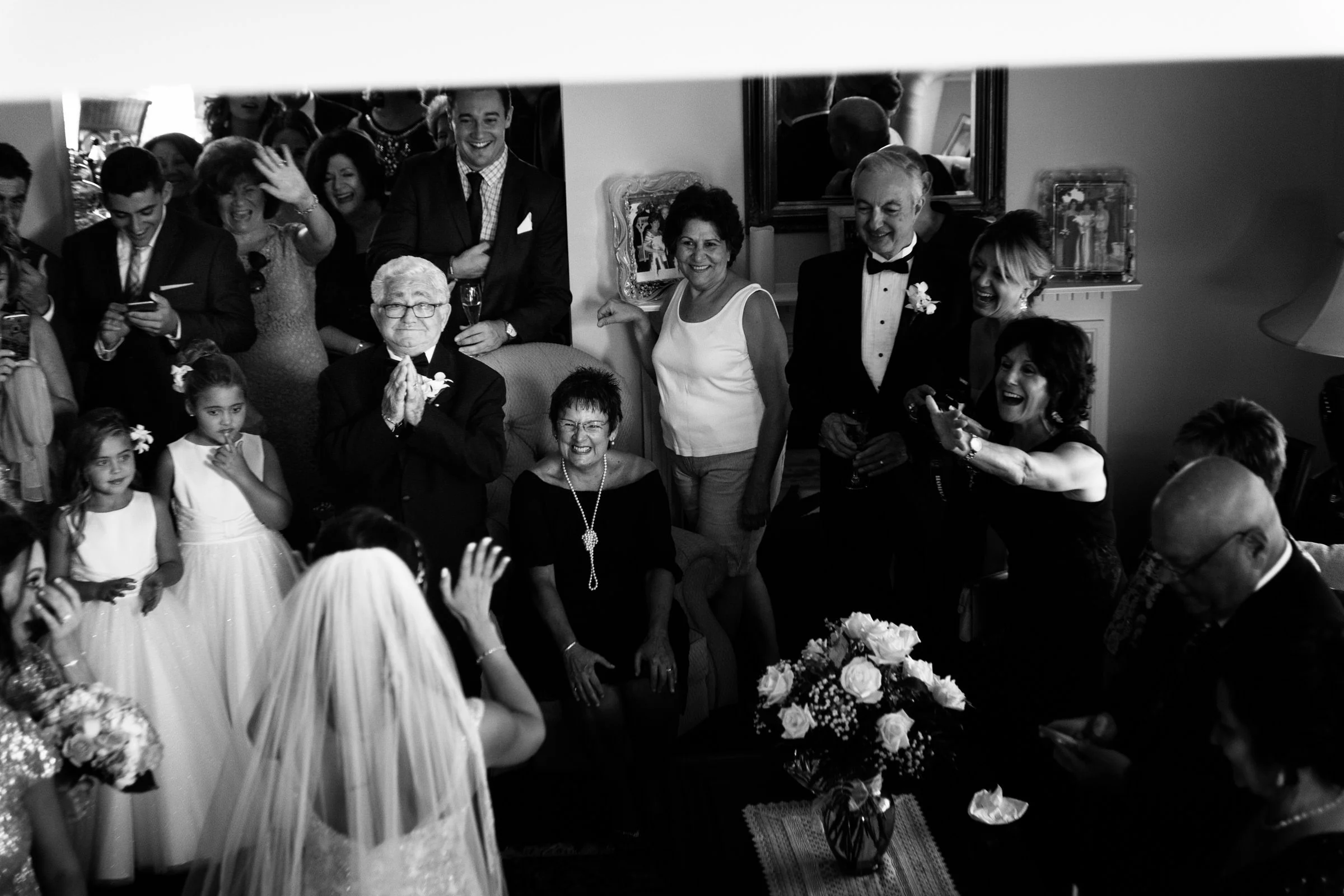
A wedding day moves quickly: your parent straightening your veil before the ceremony, the relieved laugh after you say your vows, the packed dance floor that somehow feels even better than you imagined. When couples ask about documentary versus traditional wedding coverage, they are often really asking a more personal question: “Will our photos feel like us?”
The good news is that you do not have to choose between beautiful, polished portraits and the honest moments that make a celebration unforgettable. The right approach depends on how you want to spend your day, what matters most in your family photos, and how much guidance helps you feel comfortable in front of the camera.
Documentary Versus Traditional Wedding Coverage: The Difference
Traditional wedding photography is built around structure. It gives the day a clear visual record through planned portraits, formal family groupings, important details, and key reception events. Think of the classic photographs your parents and grandparents may have displayed: the couple looking at the camera, carefully arranged family portraits, and a composed image of the wedding party.
That structure has real value. Family formals make sure the people who traveled, helped plan, and shaped your life are included. A guided portrait session gives you space for flattering, intentional images without guests or a busy timeline competing for attention. At a wedding, some photographs deserve to be made with care rather than left to chance.
Documentary coverage works differently. Rather than constantly arranging moments, the photographer observes what is unfolding and anticipates what may happen next. It is the hand squeeze during a first look, your friends reacting before the toast lands, a grandparent laughing from the corner of the dance floor, or the quiet breath you take just before walking down the aisle.
These images are not less artful because they are unposed. In fact, photographing a real moment well requires close attention to light, composition, timing, and emotion. The photographer has to be ready before the moment arrives, often in difficult lighting or a crowded room, without interrupting what is happening.
Why Most Couples Benefit From Both
The best wedding galleries rarely sit at one extreme. A day photographed entirely through formal direction can begin to feel stiff, even when every image is technically perfect. Coverage that is purely observational can leave gaps if there is no plan for family portraits, couple portraits, or meaningful details.
A balanced approach protects both the experience of the day and the photographs you will return to for decades. You receive composed portraits that feel elevated and timeless, then room to be present while the rest of the celebration unfolds naturally.
At Delgado Studios, that balance is central to the experience. Joseph personally photographs each event, offering calm guidance when a portrait needs direction and stepping back when the emotion is already there. The result is a complete visual story, not a gallery of disconnected poses or a collection of fleeting candid images without context.
Traditional Coverage Gives You Certainty
There are moments you may only have one opportunity to photograph. Family portraits are the clearest example. Even the most relaxed couples usually want a meaningful image with parents, siblings, grandparents, and close friends. A thoughtfully organized list helps make that happen efficiently, so no one is wandering off to cocktail hour while an important group is still missing.
Traditional coverage also brings welcome clarity to a full wedding day. A photographer can guide you into soft light, adjust a stray jacket collar, and give simple direction that helps you look natural without wondering what to do with your hands. This is especially helpful for couples who love editorial images but worry they will feel awkward posing.
Good direction should never make you feel like you are performing. It should feel like a few easy prompts, a moment to connect with each other, and a photographer who knows when an image is finished. You do not need to be models to have portraits that feel polished.
Documentary Coverage Gives You the Feeling Back
The photographs couples often treasure most are not always the ones they planned. They are the images that bring back the energy of a room and the personalities of the people in it. Your best friend crying during the ceremony. Your dad seeing you ready for the first time. The flower girl taking her role very seriously until the music starts.
Documentary photography gives those moments room to breathe. It also allows guests to experience the celebration without feeling constantly photographed. Instead of pausing conversations or redirecting people throughout cocktail hour and the reception, the photographer works quietly and attentively within the rhythm of the event.
That does not mean disappearing when help is needed. An experienced documentary photographer still watches the timeline, recognizes an emotional moment forming, and knows where to stand before the dance floor fills or the toasts begin. The coverage feels unobtrusive because it is prepared.
How to Choose the Right Mix for Your Wedding
Start with your priorities rather than photography labels. If family legacy is especially important, allow enough time for intentional group portraits. If you have planned a meaningful first look, private vows, or a lively reception, make sure your photographer has the freedom to document those parts of the day without rushing from one posed setup to another.
Your venue and timeline matter, too. A city wedding with limited daylight may call for an earlier portrait session or a brief evening portrait break. A Jersey Shore celebration may offer a beautiful sunset window that is worth protecting. At an estate, hotel, loft, or backyard wedding, the flow of guests and available light can shape how much direction is useful at different points in the day.
It also helps to be honest about your comfort level. Some couples want a little more guidance at first, then relax once they realize the process is easy. Others are happiest when they can forget the camera is there for most of the day. Neither preference is wrong. The goal is to work with a photographer who can adapt without making the experience feel disjointed.
Questions Worth Asking Your Photographer
When reviewing a photographer’s work, look beyond a few beautiful highlight images. Ask to see complete wedding galleries. You want to know whether the ceremony is covered thoughtfully, family portraits look natural, low-light reception images still feel alive, and the candid moments carry the same care as the portraits.
Ask how they guide couples during portraits, how they organize family formals, and how they approach a tight timeline. You can also ask who will actually photograph your wedding. For a milestone event, consistency matters. A personal connection with the photographer can make it much easier to relax once the day arrives.
Finally, pay attention to how the work makes you feel. Do the people in the photographs look comfortable? Do you see genuine connection, not just perfect styling? Can you imagine your own family and friends in those images? A strong gallery should feel refined while still feeling lived in.
A Wedding Gallery Should Hold More Than Highlights
The most lasting wedding photographs do more than prove that an event happened. They preserve the people who were there, the decisions you made, and the small emotional shifts you may not have noticed in real time.
Choose coverage that gives you the confidence to step into a portrait when it matters, then step fully back into your celebration. Years from now, the photograph of you both looking your best will matter. So will the unexpected laugh just before it, the hug from someone you miss, and the full room celebrating around you. Those are stories worth celebrating.