
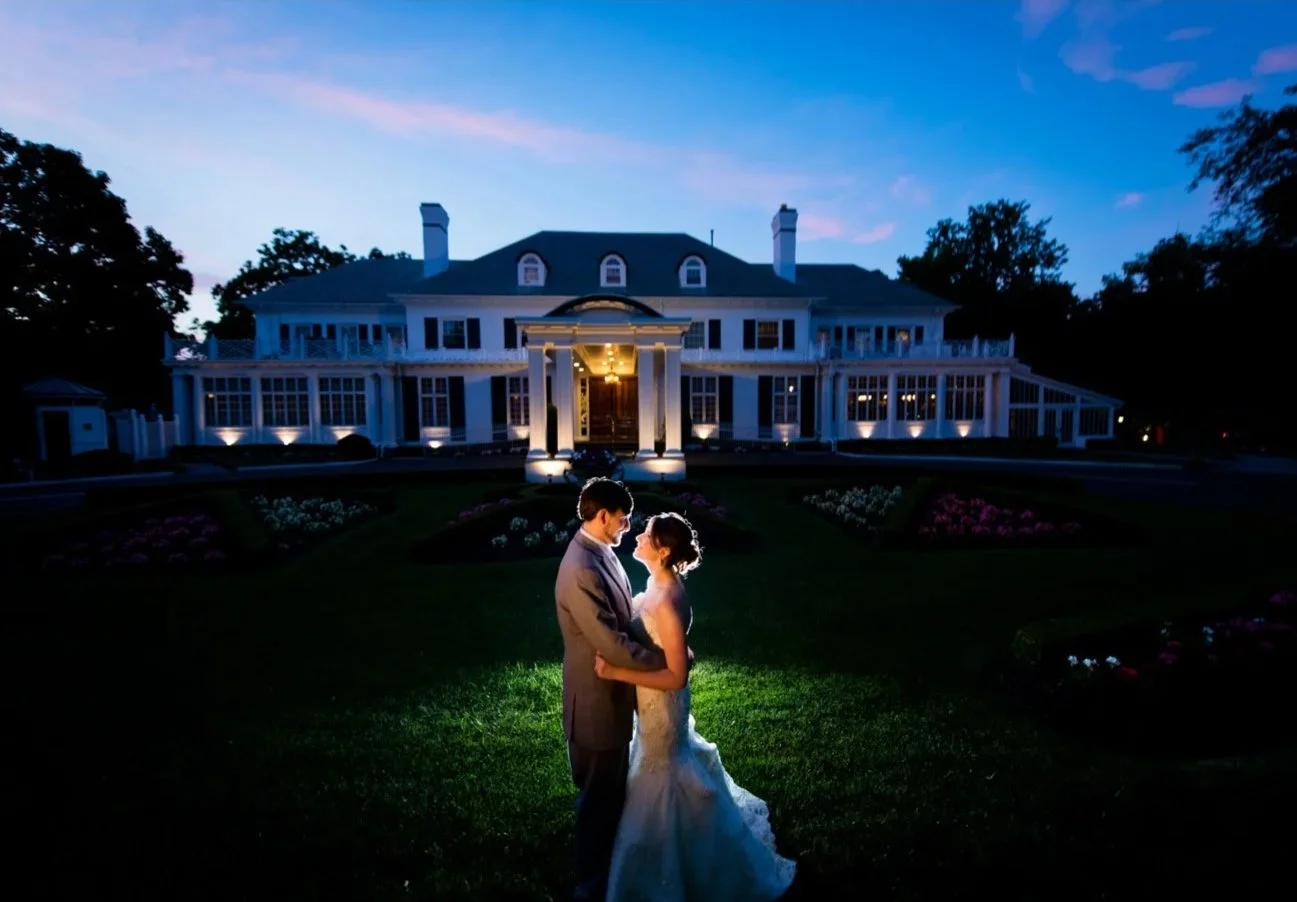
A wedding venue does more than hold your guest list. It shapes the pace of the day, the comfort of the people you love, the way your celebration feels, and the photographs you will return to for decades. If you are figuring out how to choose a wedding venue in NJ, begin with a question that goes beyond style: where can you be fully present?
New Jersey offers an extraordinary range of settings, from historic estates and waterfront ballrooms to city lofts, garden venues, private clubs, and relaxed shore celebrations. That variety is exciting, but it can also make every option feel like the option. The right venue is rarely the one with the most dramatic first impression alone. It is the place where your vision, your practical needs, and your real wedding day can work beautifully together.
Start With the Feeling You Want to Remember
Before comparing packages or debating a Saturday date, talk about the atmosphere you want your guests to experience. Maybe you picture a formal black-tie evening with candlelight and a grand entrance. Maybe you want an airy garden ceremony, a lively dance floor, or a dinner that feels intimate even with a full room.
Words like warm, refined, relaxed, celebratory, coastal, classic, and modern are useful because they give you a filter. A venue can be objectively beautiful and still feel wrong for your wedding. A grand ballroom may not suit a small gathering where you want everyone close, while a rustic property may not be the right match for a polished city celebration.
Try to picture the in-between moments, not only the ceremony backdrop. Where will your guests gather during cocktail hour? Will grandparents be comfortable? Is there a quiet corner for a breather before the reception begins? The best celebrations have room for energy and room to exhale.
Choose a Wedding Venue in NJ That Fits Your Real Guest Count
Guest count affects nearly every venue decision, including the room layout, catering minimum, transportation, and overall atmosphere. Ask each venue for both its maximum capacity and its comfortable capacity for the format you are planning. Those are not always the same number.
A room that technically holds 250 people may feel crowded once you add a band, dance floor, sweetheart table, bars, and space for servers to move. On the other hand, a room built for 300 can make a 100-person wedding feel sparse unless it can be thoughtfully divided or styled.
Be honest about the range. If your list is likely 140 to 165, do not book a space that only works at exactly 140. You want enough flexibility for the people you will be genuinely happy to see say yes. Ask to see a sample floor plan with tables, entertainment, and any cultural or family traditions that require additional space.
Consider the full-day flow
A venue should support more than the reception. Think through arrival, getting ready, first looks, ceremony, cocktail hour, dinner, and the end of the night. Some couples love having everything in one location because it simplifies transportation and keeps the day calm. Others are happy to travel between a church, family home, waterfront portrait location, and reception venue because those places are meaningful to them.
Neither choice is better. The key is to understand what each transition requires. A 20-minute drive can become much longer once you account for parking, loading a wedding party, traffic, and guests finding their way. Build the actual experience into your decision, not the idealized version of it.
Look Beyond the Ceremony View
Natural light, architecture, and outdoor spaces matter, especially if photographs are high on your priority list. But beautiful images are not limited to a sunny lawn at golden hour. An experienced photographer can create polished, expressive photographs in a range of settings. What helps most is a venue with visual variety and a thoughtful backup plan.
During your tour, look at the getting-ready rooms, hallways, windows, covered outdoor areas, and reception space. Notice what the venue looks like from multiple angles. Is the ceremony location lovely only when everyone faces one direction, or does it hold up from where your guests and photographer will actually be positioned?
For indoor ceremonies, ask about lighting. Warm, dim reception lighting can be beautiful for dinner and dancing, but a dark ceremony room may require a more intentional photo approach. Ask whether overhead lights can be adjusted, whether windows are covered at a certain time, and whether the venue allows discreet supplemental lighting.
Rain plans deserve the same attention as your first-choice plan. In New Jersey, a season can offer perfect weather one hour and a sudden downpour the next. A strong backup is not a compromise when it feels considered, comfortable, and visually cohesive. Covered patios, window-filled rooms, elegant indoor ceremony spaces, and accessible umbrellas can protect the mood of the day as much as they protect the dress.
Ask the Questions That Protect Your Timeline
The venue coordinator is often central to how smoothly a wedding unfolds. Pay attention to how they answer your questions. Are they clear about timing, flexible where it matters, and realistic about what is possible? You are not looking for a salesperson who promises everything. You are looking for a partner who understands the details.
Ask when you can arrive, when vendors can begin setup, and how long you can stay after the reception. Find out whether there are other events on the property that day. Shared spaces can work well, but you should know if another wedding could affect parking, privacy, ceremony sound, or portrait locations.
Also ask about the venue's preferred vendor policy. Some venues require you to choose from a list, while others welcome outside professionals. Either arrangement can be a good fit, but it changes your planning freedom and budget. If photography is deeply important to you, make sure there is enough portrait time and access to the spaces that drew you to the venue in the first place.
At Delgado Studios, the goal is always to help couples feel guided without being pulled away from their celebration. A venue that supports a calm, realistic timeline makes that possible. You get to be in the moment while the important images unfold naturally around you.
Read the Contract With Your Full Budget in Mind
Venue pricing can be complex, particularly when food and beverage minimums, service charges, taxes, ceremony fees, rentals, valet, overtime, and upgrades are involved. Ask for a complete estimate based on your likely guest count and preferred date. A lower per-person price may not mean a lower final cost once required additions are included.
Pay close attention to what the package includes. Tables, chairs, linens, lighting, ceremony setup, suite access, cake cutting, security, and late-night food may be included, optional, or required through the venue. None of these details should be a surprise after you sign.
There are trade-offs worth considering. An all-inclusive venue can reduce planning decisions and make budgeting more predictable. A raw space may offer greater creative freedom but require separate rentals, power, insurance, staffing, and more coordination. Choose the level of involvement that fits your lives, not the version of wedding planning you think you are supposed to enjoy.
Trust What Happens During the Tour
Photos online are helpful, but a visit tells you more. Notice the drive in, the parking situation, the condition of the restrooms, the accessibility of the entrances, and how staff members interact with you. These practical details become part of your guests' experience.
If possible, tour at roughly the same time of day as your wedding. A waterfront venue may have entirely different light at 5 p.m. than it does at noon. A ballroom that feels quiet on a weekday may be surrounded by traffic or activity on a Saturday evening. Bring a short list of priorities, but leave room for instinct.
The right venue often creates a sense of relief. You can picture your people there. You can imagine laughing during cocktail hour, taking a few unhurried portraits, and walking into a room that feels like your celebration rather than someone else's. That feeling, supported by sound logistics, is worth trusting.
Your venue is the setting, not the story. Choose a place that gives your day structure and beauty, then let the people, emotions, and small unplanned moments make it unforgettable.