
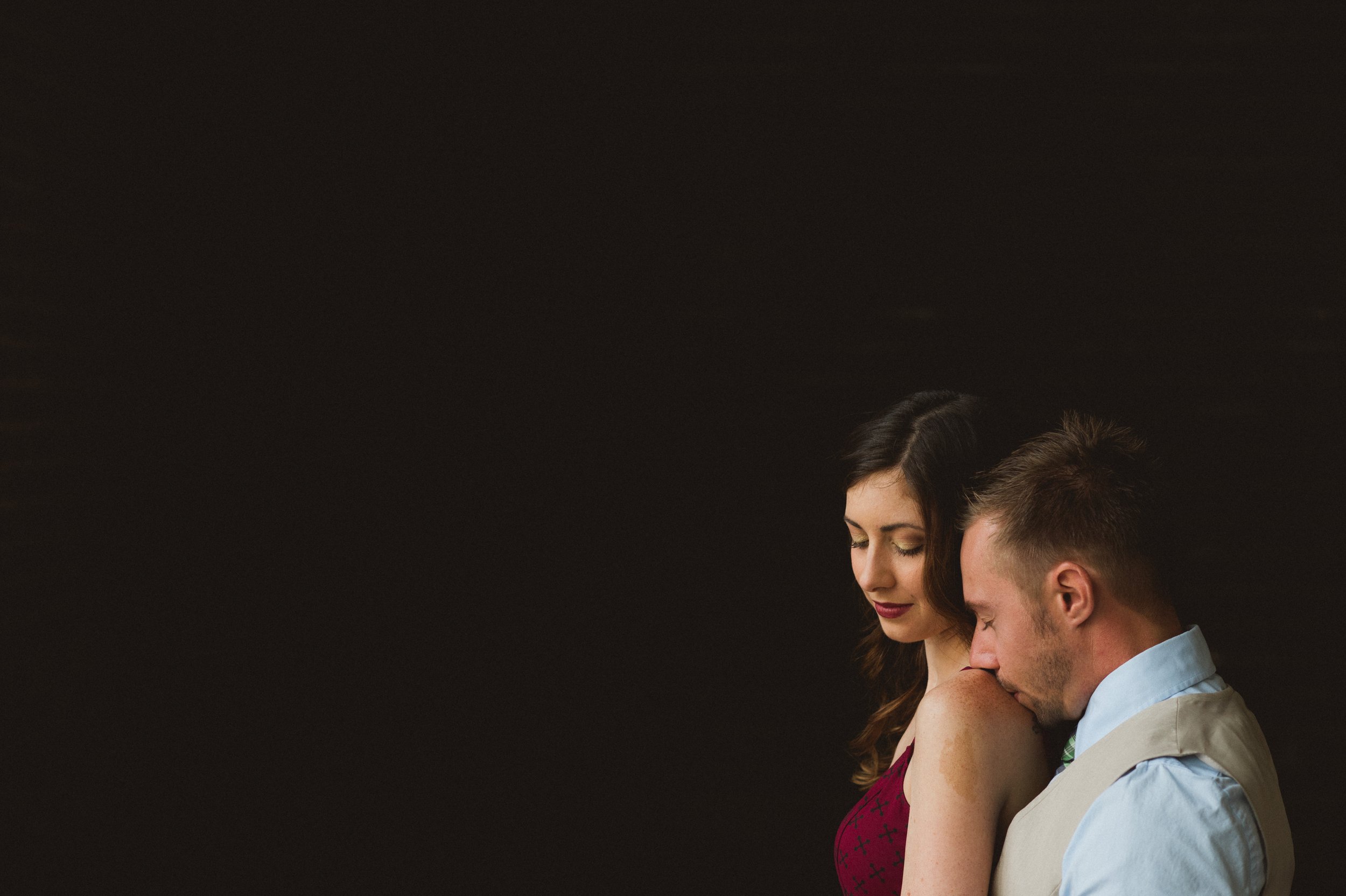
A well-built wedding photography timeline for portraits does more than create beautiful images. It gives you breathing room. Instead of watching the clock, gathering relatives, or wondering whether sunset is slipping away, you get to be in the moment while the day is photographed with care.
The best timelines are never copied line for line from another wedding. A summer celebration at a Jersey Shore venue has different light, travel needs, and family rhythms than a winter wedding in New York City or a ballroom reception in northern New Jersey. Still, a few thoughtful portrait windows can make the day feel polished, relaxed, and unmistakably yours.
Start With Light, Then Build Around What Matters Most
Portraits work best when they have a purpose and a place in the day. Before assigning times, think about the images that matter most to you: a quiet first look, emotional family photographs, wedding party portraits with energy, or newlywed portraits that feel editorial without looking overly posed.
Natural light is one part of the equation, but it is not the only one. A skilled photographer can create refined portraits in a hotel suite, a church vestibule, a rain plan location, or a candlelit reception space. Still, when the schedule allows, saving a brief window around sunset gives your gallery variety - softer light, a change of scenery, and a few minutes away together after the pace of the day picks up.
Your ceremony time, season, venue layout, travel between locations, and whether you choose a first look all shape the plan. Rather than trying to fit every possible photo into one long block, spread portraits across the day in a way that protects the celebration.
A Wedding Photography Timeline for Portraits That Feels Easy
For most weddings, portraits naturally fall into four smaller chapters: getting ready, wedding party and family photos, couple portraits, and a short sunset session. Each has a different energy, and each helps tell the fuller story.
Getting-ready portraits: allow 45 to 60 minutes
The getting-ready portion is not only about the final buttons, jewelry, or dress. It is where anticipation lives. A parent seeing their child fully dressed, a friend helping with a veil, a quiet note being read, or a toast in the suite often becomes more meaningful than a perfectly arranged flat lay.
Plan for photography to begin while hair and makeup are close to complete. The room does not need to look untouched, but having one cleared corner near a window helps create calm, clean portraits. Keep heirlooms, invitation suites, shoes, rings, and any meaningful accessories together so they can be photographed efficiently.
If both partners are getting ready at separate locations, factor in travel time or consider adding coverage so neither side of the story feels rushed. The goal is not to direct every minute. It is to preserve the real anticipation as it unfolds.
First look and wedding party: allow 60 to 90 minutes
A first look can be one of the most useful choices for couples who want more time with guests after the ceremony. It creates a private moment before the formal pace begins, then opens time for couple portraits and wedding party photos while everyone is fresh.
For a wedding party of four to eight people, 30 to 45 minutes is often comfortable. Larger groups, multiple locations, or a wedding party that needs transportation may need more. Build in a 10-minute cushion for gathering people, adjusting bouquets, and getting from one portrait spot to the next.
These portraits should feel guided, not stiff. You do not need to know what to do with your hands or rehearse a pose. Clear direction, a few simple movements, and room for genuine interaction produce photographs that feel elevated while still looking like your relationships.
Family portraits: allow 20 to 40 minutes
Family formal photos are often the most timing-sensitive part of the day. They can move beautifully when a short, intentional shot list is prepared in advance. Think in groupings rather than every possible combination: immediate family, grandparents, siblings, and any relationships that carry special meaning.
If you are not doing a first look, family portraits usually happen immediately after the ceremony. This is a good reason to let close family know ahead of time where to go and when. Designating one helpful relative who knows the family well can also keep the process moving without turning it into a production.
For couples doing a first look, many family photos can happen before the ceremony. This gives everyone more freedom afterward and lets older relatives head to cocktail hour sooner. It depends on your family traditions, though. Some couples prefer to wait until after the ceremony, especially when seeing one another beforehand is not part of the plan.
Couple portraits: allow 30 to 45 minutes, plus 10 at sunset
Your couple portraits deserve time, but they do not need to take over the day. A focused 30- to 45-minute session before the ceremony or during cocktail hour is usually enough to create a strong collection of photographs. This is where the setting, architecture, flowers, and fashion can come forward, balanced by natural connection between the two of you.
Then, if the light and schedule cooperate, step out for 10 to 15 minutes near sunset. This is often the easiest portrait window of the day because you are already married, the formalities have eased, and you can simply take a breath together. Even on an overcast day, that short reset can yield some of the most intimate images in the gallery.
If sunset falls during dinner or a major reception event, do not force it. Missing a heartfelt speech or delaying dinner for a photo is rarely worth it. A photographer who knows the flow of a wedding day can find an alternate window and create something just as meaningful.
Sample Portrait Timeline With a First Look
For a 5:30 p.m. ceremony, a portrait-focused timeline might begin with photography at 1:30 p.m. Getting-ready coverage and detail photographs can lead into a 3:00 p.m. first look. From there, allow time for couple portraits, wedding party photographs, and immediate family portraits before guests arrive.
At 5:30 p.m., you are free to have the ceremony without worrying about a long formal-photo block afterward. Cocktail hour becomes time with your guests, with perhaps 10 minutes reserved for a few just-married portraits. If sunset is around 7:45 p.m., a brief exit from the reception can fit naturally between dinner and dancing.
This approach is especially helpful when the reception is a priority. You have already completed the essential portraits, but the day still leaves room for spontaneous images and a little fresh air together.
If You Skip the First Look
A traditional timeline can be just as beautiful, but it needs realistic expectations. Plan photography during getting ready, then keep the pre-ceremony period separate. Once the ceremony ends, reserve about 60 to 90 minutes for family photos, wedding party images, and newlywed portraits.
That may mean joining cocktail hour later, particularly with a large family or a venue that requires travel between ceremony and reception spaces. If being present for every minute of cocktail hour matters deeply, consider keeping family groupings concise, doing extended-family photos at another time, or adding a second photographer.
There is no wrong choice between a first look and waiting for the aisle. The right choice is the one that feels true to you and is supported by a timeline that does not ask too much of a single hour.
Protect the Small Buffers
The most graceful wedding days have margins. Add 10 to 15 minutes for getting dressed, five minutes for elevator delays, and a little extra time for transportation, bustling a dress, or locating a missing boutonniere. Those small allowances prevent a late start from becoming everyone else's emergency.
It also helps to keep one portrait location close to the ceremony or reception. A dramatic off-site location can be worthwhile, but only when the travel time is genuinely available. Often, the best photographs come from staying present in the environment you chose to celebrate in.
At Delgado Studios, Joseph personally builds coverage around the moments you care about, then directs portraits with a calm, efficient approach. The result is not a day spent posing. It is a complete visual story with room for the laughter, tears, and unscripted moments in between.
When you create your timeline, give your portraits enough time to breathe, then give yourselves permission to stop checking the clock. The photographs will hold the details. Your job is to live the day.