
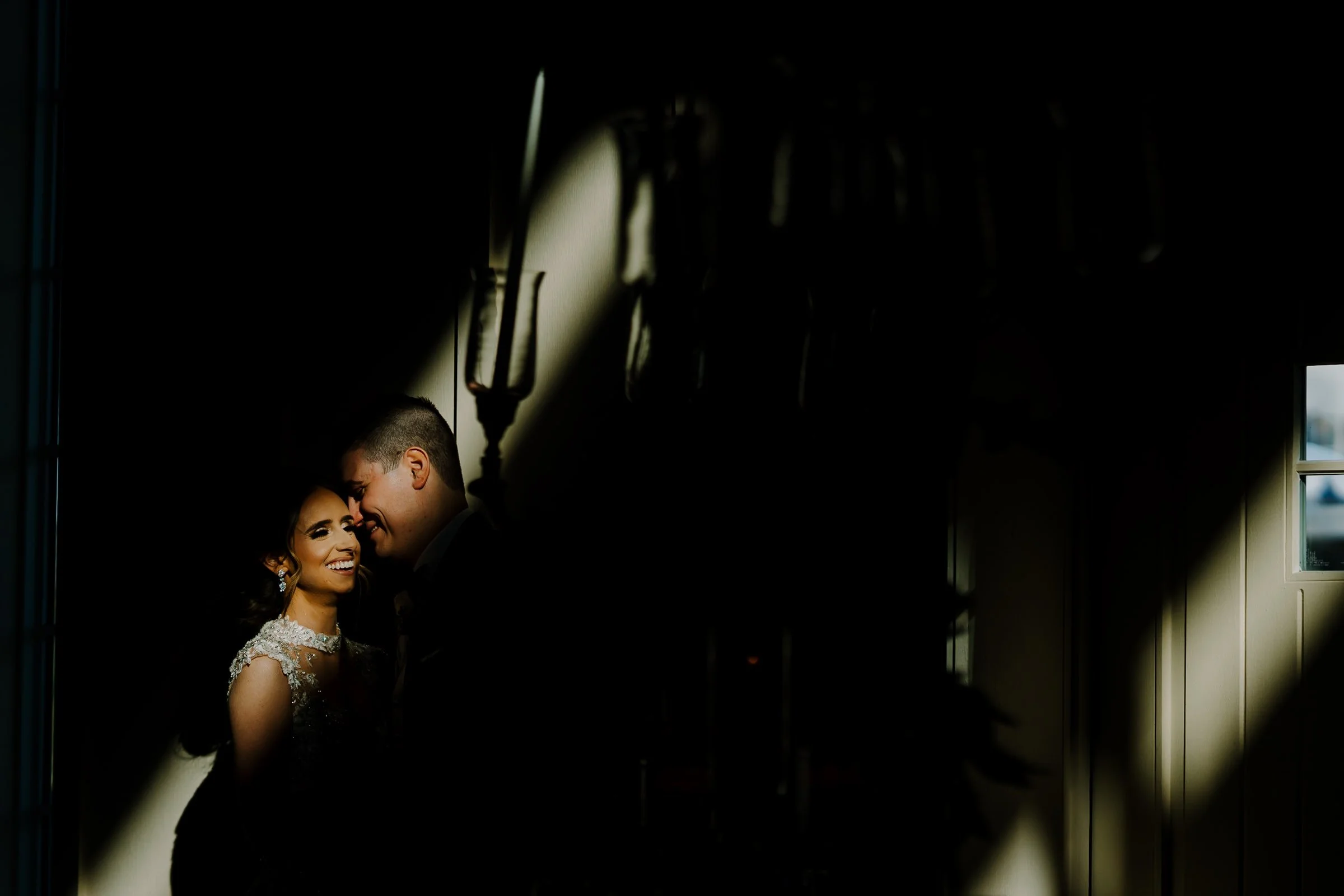
A wedding photographer will be present for the quietest nerves, the biggest hugs, the fast-moving family portraits, and the dance floor when everyone finally lets go. That is why the best questions for wedding photographers go beyond pricing and packages. You are looking for someone whose work you admire, certainly, but also someone who helps you feel comfortable enough to forget the camera is there.
The right conversation can tell you whether a photographer is prepared for your venue, respectful of your priorities, and able to make beautiful images without pulling you away from the celebration. These questions create clarity early, so you can choose with confidence and spend your wedding day being fully present.
Start with the experience you want to have
Before asking about equipment or album options, talk about the feeling you want from photography. Some couples want abundant direction and editorial portraits. Others care most about candid moments and would rather spend as little time as possible posing. Most want a thoughtful balance.
How would you describe your approach to a wedding day?
Listen for more than a photography style label. “Documentary,” “editorial,” and “fine art” can mean different things to different photographers. Ask what those words look like in practice. How much direction will they give during portraits? How do they work during the ceremony and reception? What moments are they actively watching for?
A strong answer should help you picture the day. You may want polished portraits that feel natural, then unobtrusive coverage while you are greeting guests, laughing with your wedding party, or taking in the room together. A photographer should be able to explain how they move between those modes without making the day feel like a production.
How do you help people who feel awkward in photos?
This is one of the most useful questions you can ask. You do not need to become a professional model to have photographs you love. What matters is whether your photographer has a calm, simple way of guiding you.
Ask for specifics. Do they offer prompts rather than stiff poses? Do they explain where to place your hands and how to stand when needed? Do they know when to step back and let a real moment unfold? The best direction is clear but never overbearing. It gives you something to do, then leaves room for your personalities to show.
Does Your Wedding Portfolio Include Styled Shoots or Staged Wedding Photos?
Not every wedding photo you see in a photographer’s portfolio was necessarily taken at a real wedding.
Some photographers participate in professionally styled photoshoots organized by wedding venues or industry vendors. These sessions often feature hired models, carefully selected attire, elaborate floral arrangements, perfect lighting, and meticulously planned settings—all without the pressure, unpredictable moments, or time constraints of an actual wedding day.
While styled shoots can produce beautiful images and serve a legitimate creative purpose, presenting them as photographs from real weddings can be misleading to prospective couples.
There’s a significant difference between photographing professional models in a controlled environment and capturing genuine emotions, spontaneous moments, and once-in-a-lifetime memories at a real wedding.
When evaluating a wedding photographer, ask whether their portfolio features actual weddings or styled photoshoots. A beautiful portfolio is important, but you also want confidence that your photographer can consistently deliver exceptional images under real wedding-day conditions.
Can we see full wedding galleries, not only highlights?
A portfolio shows a photographer's strongest images. A full gallery shows consistency. You will see how they handle a dark ceremony, midday sun, family formals, reception details, toasts, and an energetic dance floor. You will also see whether the story of a day feels complete.
Ask to view galleries from weddings similar to yours in season, venue type, or schedule. If your reception will be in a dim ballroom or your ceremony is outdoors in bright summer light, it is reassuring to see that situation handled well. One beautiful sunset portrait is lovely. Reliable work across an entire celebration is what you are hiring.
Ask the best questions for wedding photographers about logistics
Beautiful work depends on preparation. Your wedding has real timing considerations: transportation, family dynamics, limited daylight, ceremony rules, weather, and moments that cannot be repeated. The photographer you choose should have a process that makes those pieces feel manageable.
Will you personally photograph our wedding?
For couples who connect with a particular photographer's eye and presence, this question matters. Some companies assign associate photographers after booking, while others are owner-operated. Neither model is automatically better, but you deserve to know exactly who will arrive on the day.
Ask who your lead photographer will be, whether a second photographer is included or recommended, and who handles planning communication. A boutique experience often means the person you trust during the consultation is the person documenting your vows. That continuity can make a meaningful difference when the day is emotional and moving quickly.
How do you build a photo timeline without taking over the day?
A well-made timeline protects the parts of the wedding you are most excited to experience. It accounts for getting-ready photographs, travel, family portraits, the ceremony, cocktail hour, and a few quiet minutes for just-married portraits. It also leaves breathing room, because weddings rarely run exactly to the minute.
Ask when the photographer gets involved and how they coordinate with your planner, venue, and other vendors. If you are considering a first look, ask how it could affect your portrait time and cocktail hour. There is no universal right choice. A first look can create more relaxed time together before the ceremony, while waiting until the aisle can preserve a traditional reveal. Your photographer should explain the trade-off without pushing you toward a formula.
What is your plan for family portraits?
Family formals are often the most logistically demanding part of the day, especially when there are blended families, grandparents, young children, or a large wedding party. They do not have to become stressful.
Ask how the photographer helps make a group list in advance, how much time they recommend, and whether they will work with a designated family helper who knows everyone by name. A prepared plan keeps the process warm and efficient. It also means fewer people wandering off just as the next photograph is meant to happen.
How do you handle difficult light, weather, and unexpected changes?
New Jersey and the greater Northeast offer every kind of wedding setting, from sunlit shore celebrations to historic venues, city rooftops, gardens, and candlelit ballrooms. Each comes with different lighting challenges. Weather can change quickly, and a tight indoor space can require a thoughtful approach.
Ask how the photographer adapts to rain, harsh sun, low light, and schedule changes. You are not looking for a promise that nothing will go wrong. You are looking for a professional who has backup plans, understands light, and stays composed when conditions shift. Their confidence should lower your stress, not add to it.
Talk clearly about coverage and delivery
It is easy to focus on the number of hours or images, but the details behind those numbers matter just as much. Make sure you understand what is included and how the final work will be cared for after the wedding.
What does your coverage include, and what might require extra time?
Ask how many hours are included, when coverage usually begins, and what happens if the reception runs later than expected. Clarify whether engagement sessions, rehearsal dinner coverage, second photographers, albums, or travel are part of the proposal or available separately.
The least expensive package is not always the best value if it creates a rushed timeline or leaves out the moments you care about. On the other hand, more coverage is not automatically necessary for every wedding. A photographer should help you choose based on your actual plans, not sell you time you will not use.
When will we receive sneak peeks and our final gallery?
You will likely want a few meaningful images to share shortly after the wedding, while the excitement is still fresh. Ask whether sneak peeks are offered, how many you can expect, and when they are typically delivered.
Then ask about the complete gallery: the estimated delivery window, the editing approach, and how long the gallery will remain available. If printed albums and heirloom products matter to you, ask how that process works, too. Your photographs should be easy to revisit, share with family, and preserve for years to come.
How do you protect our images?
This may not be the most romantic question, but it is a smart one. Ask about backup cameras, memory card practices, file backups, and gallery storage. Professional preparation happens long before the wedding and continues long after it.
You can also ask whether the photographer carries insurance if your venue requires it. A prepared professional will answer these questions plainly. Reliability is part of the craft.
Notice how the conversation feels
The answers matter, but so does the way they are given. Do you feel heard when you share what matters to you? Does the photographer make complicated choices feel clearer? Are they enthusiastic about your celebration rather than trying to turn it into someone else's idea of a perfect wedding?
At Delgado Studios, Joseph personally photographs each wedding with that balance in mind: thoughtful guidance when you need it, room to be yourselves when you do not, and a visual story that holds both the polished portraits and the honest in-between moments.
Bring these questions to your consultations, then pay attention to the feeling that remains afterward. The right photographer will leave you with more than a package and a price. You should feel calmer about the day ahead, confident that you get to be in the moment while your story is being preserved.