
A wedding day moves quickly in ways no timeline can fully predict. A parent sees their child dressed and ready. Friends reunite at cocktail hour. Your partner reaches for your hand just before the ceremony begins. Wedding photography is not simply about documenting what happened. It is about preserving the feeling of being there, without asking you to step away from it.
The photographs that matter most years from now are rarely only the formal ones. They are the expressions you did not see, the laughter that broke through a toast, the quiet breath before walking down the aisle, and the people who made the room feel like home. A thoughtful photographer pays attention to all of it while giving you the confidence that the important moments are covered.
Wedding Photography Is About More Than Portraits
Portraits deserve care. They become the images framed in your home, shared with family, and returned to on anniversaries. But they should not take over the day or leave you feeling like you have been performing for the camera.
The best portrait experience is guided, relaxed, and efficient. You do not need to know what to do with your hands or where to look. A photographer should offer clear direction, notice flattering light, and make small adjustments that help you look polished while still looking like yourselves. The result feels elevated, not overly posed.
That balance matters because a wedding gallery should have range. It should include artful, editorial portraits alongside candid images full of movement and personality. It should show the carefully chosen details, but also the people reacting to them. It should tell the story of the day as it actually unfolded, not turn your celebration into a styled shoot.
For many couples, the concern is not whether they want beautiful photographs. It is whether being photographed will feel awkward or consume too much of the celebration. With a prepared, observant approach, it does not have to. You can have images that feel intentional and still spend your wedding day talking, laughing, dancing, and being fully present with the people you invited.
What Thoughtful Coverage Looks Like
Great coverage begins long before the wedding. It starts with understanding what matters to you: the relationships you want documented, the traditions that carry meaning, the visual atmosphere you have planned, and the moments you may be too busy to notice yourself.
A well-prepared photographer also considers the practical realities of the day. New Jersey and New York weddings can move from a bright outdoor ceremony to a candlelit reception in a matter of hours. City venues may have tight spaces and fast-moving schedules. Shore celebrations can bring wind, changing weather, and strong midday light. Experience with these conditions means making calm decisions quickly, without making the couple feel the pressure behind the scenes.
During getting-ready coverage, the focus may be on anticipation: a handwritten note, a family member fastening a dress, the small jokes that settle everyone’s nerves. At the ceremony, the right approach is unobtrusive. There is no need to interrupt a meaningful exchange to make a moment look emotional. The emotion is already there.
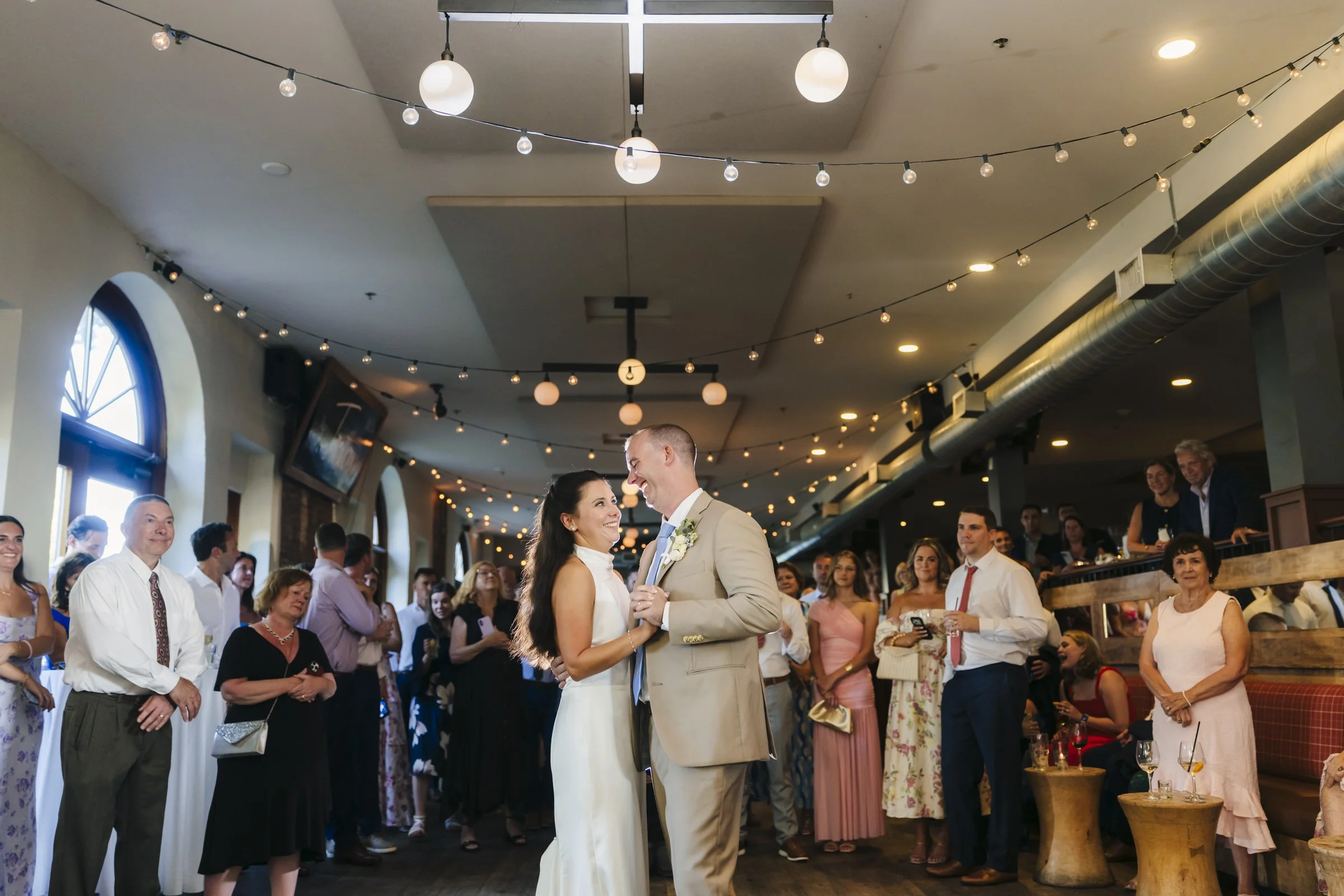
At the reception, the energy changes again. A photographer needs to move with it, from a grand entrance and first dance to the quick, unscripted moments at a crowded dance floor. This is where documentary coverage becomes especially valuable. The photos should feel alive because the celebration was alive.
A Calm Plan Creates Better Photographs
The most natural wedding images often come from a day that has been planned with breathing room. That does not mean every minute needs to be scheduled. It means knowing when portraits happen, allowing realistic travel time, and protecting a few quiet moments from the rush.
A first look, for example, can create additional time for portraits and family photos before the ceremony. For some couples, that reduces stress and allows them to enjoy more of cocktail hour. For others, waiting until the aisle is part of the emotional experience they have always imagined. Neither choice is automatically better. The right decision depends on your priorities, your timeline, and how you want the day to feel.
Family portraits benefit from preparation, too. A short, organized list of essential groupings helps keep the process moving, especially when grandparents, young children, or large families are involved. The goal is not to turn this time into a long production. It is to make sure the people who matter most are documented with care, then get everyone back to the celebration.
Light is another consideration that couples do not need to manage alone. If sunset portraits are important, setting aside ten or fifteen minutes near golden hour can make a meaningful difference. If the day is rainy or the venue is dark, a skilled photographer comes prepared with an alternative plan. Beautiful images do not depend on perfect weather. They depend on someone who understands how to work with what the day gives them.
Choosing a Photographer You Can Trust
When reviewing wedding photography, look beyond a handful of highlight images. A portfolio should show complete celebrations across different venues, seasons, lighting situations, and timelines. It should demonstrate consistency, not just one perfect frame.
Pay attention to how people look in the photographs. Do couples appear comfortable? Are family members captured with warmth? Does the work include both composed portraits and genuine reactions? You are not only choosing an editing style. You are choosing the person who will be near you during some of the most emotional parts of the day.
It also helps to ask who will actually photograph your wedding. An owner-operated studio offers a particular kind of reassurance: the person whose work you connected with is the person showing up to tell your story. At Delgado Studios, Joseph personally photographs each event, bringing a consistent creative eye and a calm, familiar process from planning through final delivery.
Communication matters just as much as aesthetics. A photographer should be responsive, clear about the process, and able to offer guidance without taking control of the day. You want someone who can coordinate efficiently with planners, venues, and other vendors, then fade into the background when a real moment is unfolding.
The Gallery Should Feel Like Your Day
A finished gallery is more than a record of your wedding’s major events. It is a collection of connections: the way your friends looked at you during speeches, the pride on a parent’s face, the energy of the dance floor, and the quiet moments that happened between the expected ones.
That is why careful curation matters. Delivering hundreds of images is not enough if the story gets lost in repetition. A strong final gallery moves with intention, giving each chapter of the day its place while preserving the details and expressions you will want to revisit. Prompt sneak peeks can offer an early glimpse of the celebration, while the complete gallery gives the full story room to unfold.
Trends will change. What lasts is a photograph that feels honest, beautifully made, and connected to the people in it. Choose wedding photography that gives you gentle direction when you need it, space when you do not, and the freedom to remember your day as it felt: joyful, personal, and entirely your own.