
Editorial Wedding Photography, Made Personal
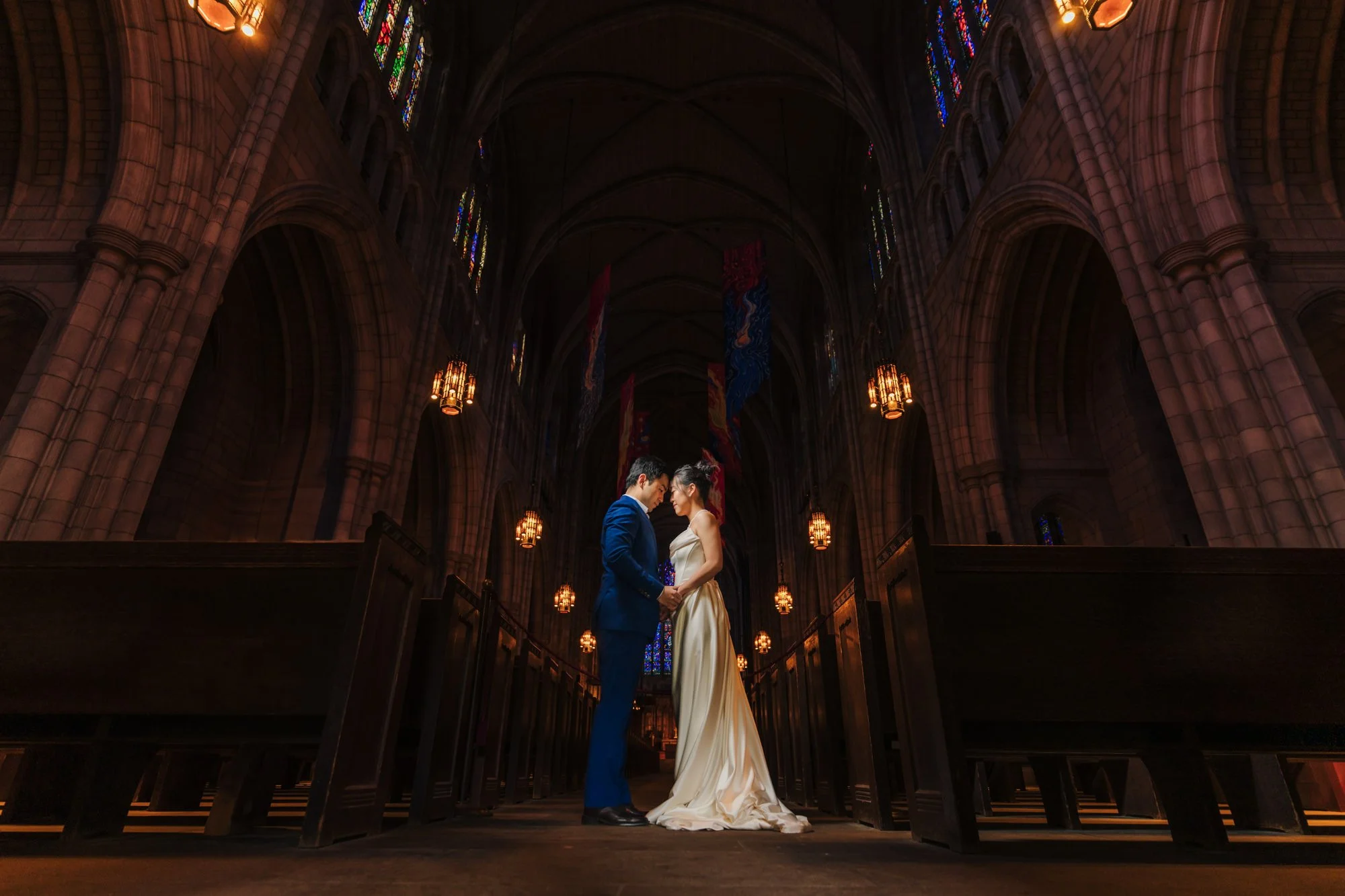
A wedding gallery should do more than prove the day happened. It should bring you back to the squeeze of a parent’s hand before the ceremony, the laughter that breaks out during portraits, the movement of your first dance, and the people who filled the room with love. Editorial wedding photography gives those memories an elevated visual finish without asking you to perform your wedding day for the camera.
For couples who want photographs that feel artful but still honest, the appeal is clear. You can have refined portraits, beautiful light, intentional composition, and a gallery that feels cohesive - while still looking like yourselves. The goal is not a day of stiff poses or a series of images made for someone else’s mood board. It is a visual story that feels personal, relaxed, and worth returning to for decades.
What editorial wedding photography really means
Editorial photography is often associated with polished images you might see in a magazine: clean composition, thoughtful direction, flattering light, and a strong sense of style. At a wedding, though, the best editorial approach is not about turning real people into models. It is about seeing the beauty already present in a meaningful celebration and photographing it with care.
That might mean guiding you toward a window for getting-ready portraits, choosing a quiet corner of your venue for a few unhurried images, or arranging a family portrait so everyone looks connected rather than lined up and waiting. It also means noticing the details that shape the atmosphere: your invitation suite, a grandparent adjusting a boutonniere, the architecture of the room, and the way your guests react when you enter the reception.
The editorial element lives in the decisions behind the photograph. Where the light falls. How a frame is composed. When to offer gentle direction and when to step back completely. It is a balance of intention and observation.
Polished portraits without the awkwardness
Many couples love the look of editorial imagery but worry that portraits will feel overly posed. That concern is understandable. You want to look confident and beautiful, but you also want to recognize the people in the photographs.
A comfortable portrait experience begins with direction that is simple and specific. Rather than asking you to hold a complicated pose, your photographer may give you a place to stand, a small adjustment to your hands, and something natural to do together. Walk slowly. Look at each other. Take a breath. Let your partner make you laugh. These prompts create movement and connection, which is where the most natural-looking images often come from.
There is a practical benefit, too. Clear guidance keeps portraits moving. On a wedding day with a ceremony, family photos, cocktail hour, and changing light to consider, efficiency protects your time. You should not have to choose between beautiful portraits and being present with the people you invited.
Some moments call for more direction than others. A formal bridal portrait, a full wedding party image, or a carefully styled detail photograph may be more composed. A private laugh after the ceremony needs far less intervention. Great coverage recognizes the difference and gives each part of the day what it needs.
The documentary side is what makes it yours
A wedding can look elegant on paper and still feel completely different from one couple to the next. The energy of your friends, the traditions your family holds close, the nerves before walking down the aisle, and the spontaneous dance-floor moments are the parts no shot list can fully predict.
That is why documentary coverage matters alongside editorial portraiture. While you are focused on getting married, greeting guests, and enjoying the celebration, your photographer is watching for real interactions. A sibling tearing up during a toast. Your friends checking in before the ceremony. A child falling asleep on someone’s shoulder. The expression on your face when you see your reception space for the first time.
These images give the polished portraits context. They tell the story of what the day felt like, not just how it looked. Years later, they are often the photographs that carry the deepest pull because they preserve people in motion and relationships as they truly were.
How the approach shapes your wedding-day experience
The strongest photography experiences begin before the wedding. A photographer who understands your priorities can help build a realistic timeline, identify the best portrait locations, plan for family groupings, and make thoughtful choices around sunset or indoor lighting. Preparation creates calm, especially when the schedule is tight or the weather changes.
On the day itself, the experience should feel attentive, not intrusive. You may want a few minutes alone with your partner after the ceremony. You may care deeply about portraits with grandparents. You may prefer that reception coverage remain largely unobtrusive. Sharing those preferences early gives your photographer a clear framework, while leaving room for the moments that cannot be planned.
At Delgado Studios, Joseph personally photographs each event, bringing one consistent creative eye from the first conversation through the final gallery. That owner-operated approach matters when the timeline shifts, the dance floor gets lively, or low light requires quick technical decisions. You have a photographer who understands the full plan and is already invested in the people at its center.
Editorial wedding photography needs real-world skill
Beautiful wedding photographs are not made only in ideal conditions. Northeast weddings can include dark churches, bright waterfront ceremonies, winter sunsets, crowded city venues, historic ballrooms, and receptions where the room changes character every hour. The camera work has to hold up through all of it.
An editorial look should never come at the expense of reliable coverage. The first kiss cannot be repeated because the photographer was focused on a detail shot. A parent’s toast deserves to be photographed well even if the reception lighting is dim. Family portraits need to be organized with warmth and efficiency, especially when guests are eager to join cocktail hour.
This is where experience becomes visible in the final gallery, even if it feels invisible to you during the day. Careful preparation, familiarity with fast-moving events, and confidence working with available light and flash allow the photography to remain polished without disrupting the celebration.
Choosing a style that will still feel true later
Wedding photography trends change quickly. Heavy filters, extreme poses, and overly stylized editing can make a gallery feel tied to a particular moment online. There is nothing wrong with having a point of view, but a lasting gallery should leave room for the emotion, color, and personality of your actual day.
When reviewing a photographer’s work, look beyond a handful of standout images. Ask whether full celebrations feel complete. Can you see quiet moments and high-energy ones? Do couples look relaxed? Are family members represented with the same care as the design details? Does the editing feel consistent in daylight, candlelight, and on the dance floor?
It also helps to notice whether the work feels lived in. Styled shoots can be beautiful, but a real wedding requires problem-solving, sensitivity, and awareness. Your photographer should be able to create elegant images within the rhythm of a real celebration, not require the celebration to pause so every frame can be controlled.
Making room for photographs that matter
You do not need to turn your wedding into a production to have an editorial-quality gallery. A little breathing room goes a long way. Build a realistic portrait window, consider a first look if it fits your plans, and set aside a few minutes near sunset if the timing allows. If you would rather spend every possible minute with guests, that is valid too. The approach can adapt.
The best plan is the one that reflects your priorities. Tell your photographer which people, traditions, and moments matter most. Then let yourself be in the moment. With calm guidance for the portraits and attentive coverage everywhere else, your photographs can feel both elevated and unmistakably yours - authentic, artistic, and unforgettable.