
Surprise Engagement Photographer
Surprise Engagement Photographer
A proposal deserves more than one photograph
A proposal can feel both carefully planned and completely unpredictable. You may know where you want to stand, what you want to say, and how you will carry the ring. You cannot know exactly how your partner will react. That is what makes the photographs meaningful. The quick smile, the hands lifted in disbelief, and the embrace afterward become part of a story that belongs to the two of you.
Choosing a Surprise Engagement Photographer means thinking beyond a picture of someone on one knee. The approach matters, but so does everything that follows: the laughter when the secret finally comes out, the first look at the ring, and the moment you begin talking about the future. A thoughtful gallery preserves those transitions instead of reducing the experience to a single pose.
At Delgado Studios, our proposal and couple photographs offer a starting point for imagining your own celebration. This guide brings together practical planning advice and photographs from our work, including waterfront proposals, garden settings, beach portraits, and quiet moments together. You can return to this Surprise Engagement Photographer guide as you refine your plans. Start with what feels personal, then build a simple photography plan around it.
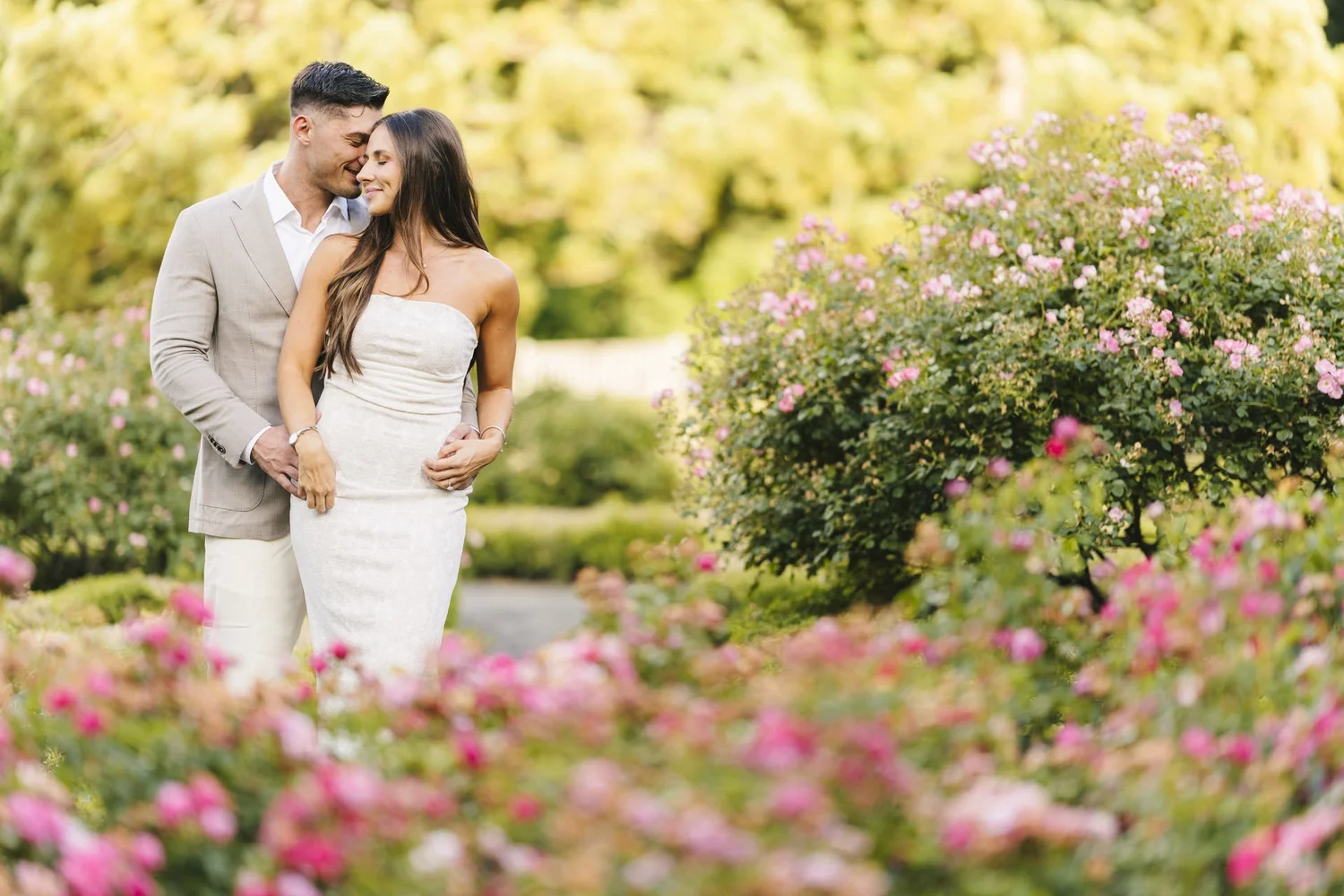
What a Surprise Engagement Photographer helps you plan
The most useful photography conversation happens before the proposal. Share your idea while there is still room to adjust the location, timing, and approach. A beautiful setting does not automatically create a clear photograph. The direction you face, the space around you, and the route your partner takes can all affect whether both expressions are visible when the question is asked.
Discuss the exact meeting point rather than relying on a broad description such as the beach or the garden. A map pin, a photograph of the intended spot, and a recognizable landmark can help everyone picture the same place. Ask how the photographer will identify you and how you should communicate if you arrive early or get delayed. Keep those arrangements simple enough to remember when you are nervous.
You should also describe your partner's personality. Someone who loves a lively celebration may welcome friends appearing afterward. Someone who values privacy may prefer a quiet stretch of time before anyone else joins. Photography should support that experience. Explore the Delgado Studios surprise proposal collection to see different settings and approaches, then explain which atmosphere feels closest to your relationship. The strongest plan gives the photographer useful information while leaving you free to be present.
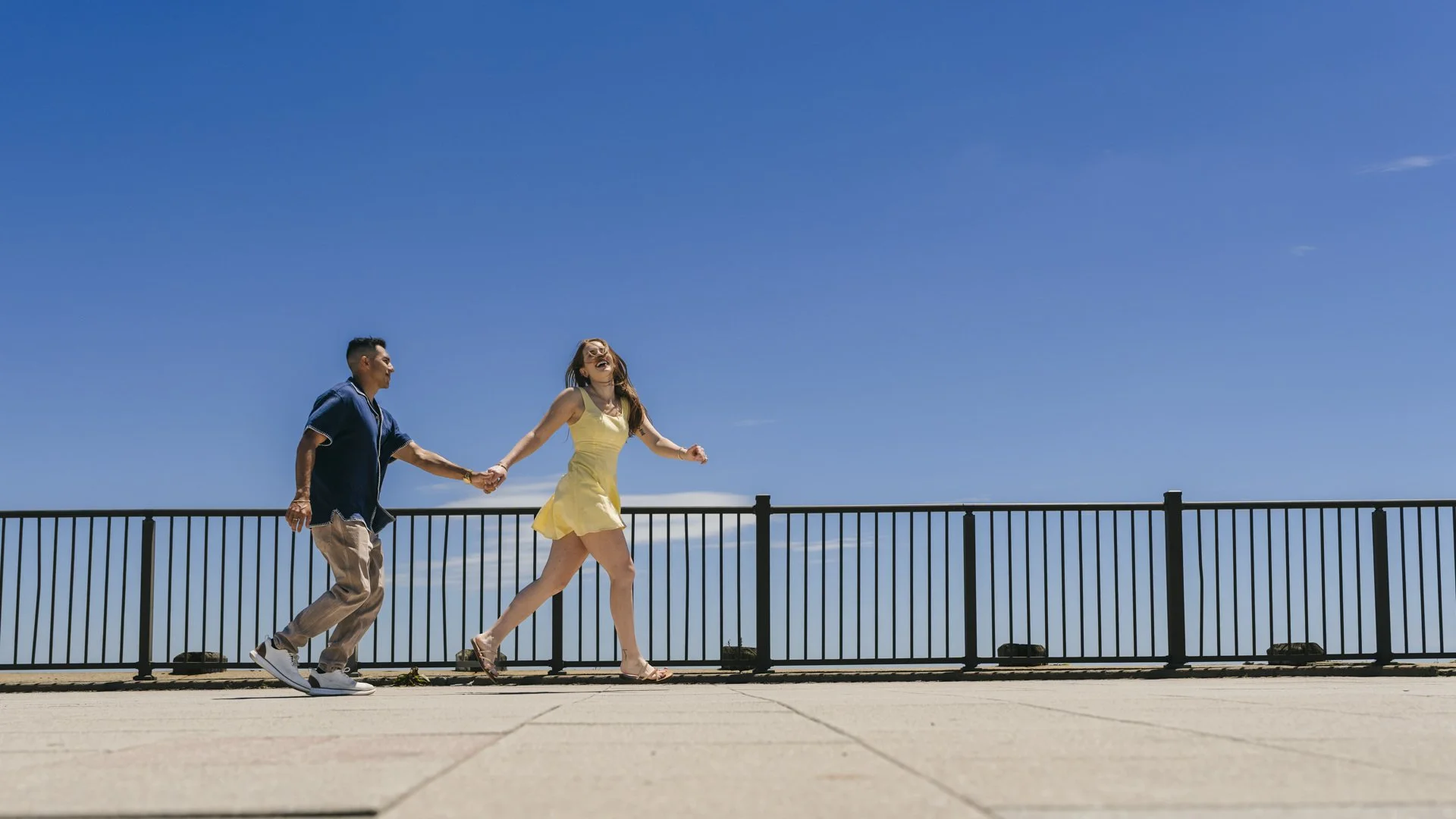
Choose a location with a personal connection
Begin your location search with a memory. Perhaps you regularly walk along the water, visit a favorite garden, or return to the same stretch of coastline every summer. A place connected to your relationship brings meaning that no elaborate decoration can replace. Even a familiar setting can feel completely new when it becomes the place where you decide to get married.
Once you have that emotional connection, think about the practical experience. Consider how far you will walk, whether the ground is comfortable, and how easy it is to arrive without revealing the surprise. Look for a setting where you can pause naturally. A scenic overlook, a path opening into a garden, or a quiet section of beach can provide a believable reason to stop and enjoy the view.
Have a second nearby option in mind in case the first spot is busy or inaccessible. Keep that alternative consistent with the original outing so changing course does not feel strange. Your photographer can help you compare the visual possibilities during planning, but the setting should still feel like your choice. When you look at the photographs years later, the location should remind you of your life together as well as the proposal itself.
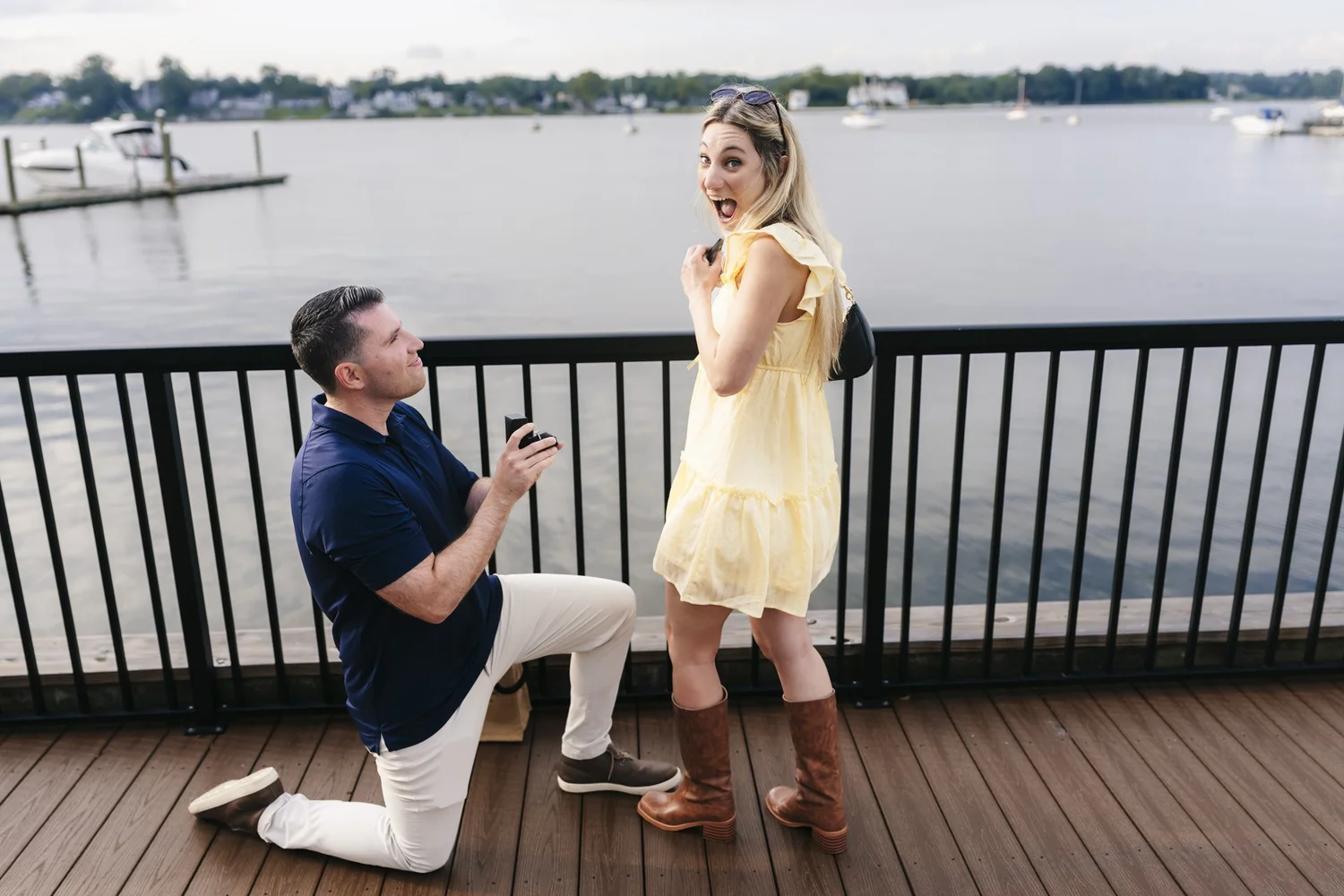
Planning a waterfront or Jersey Shore proposal
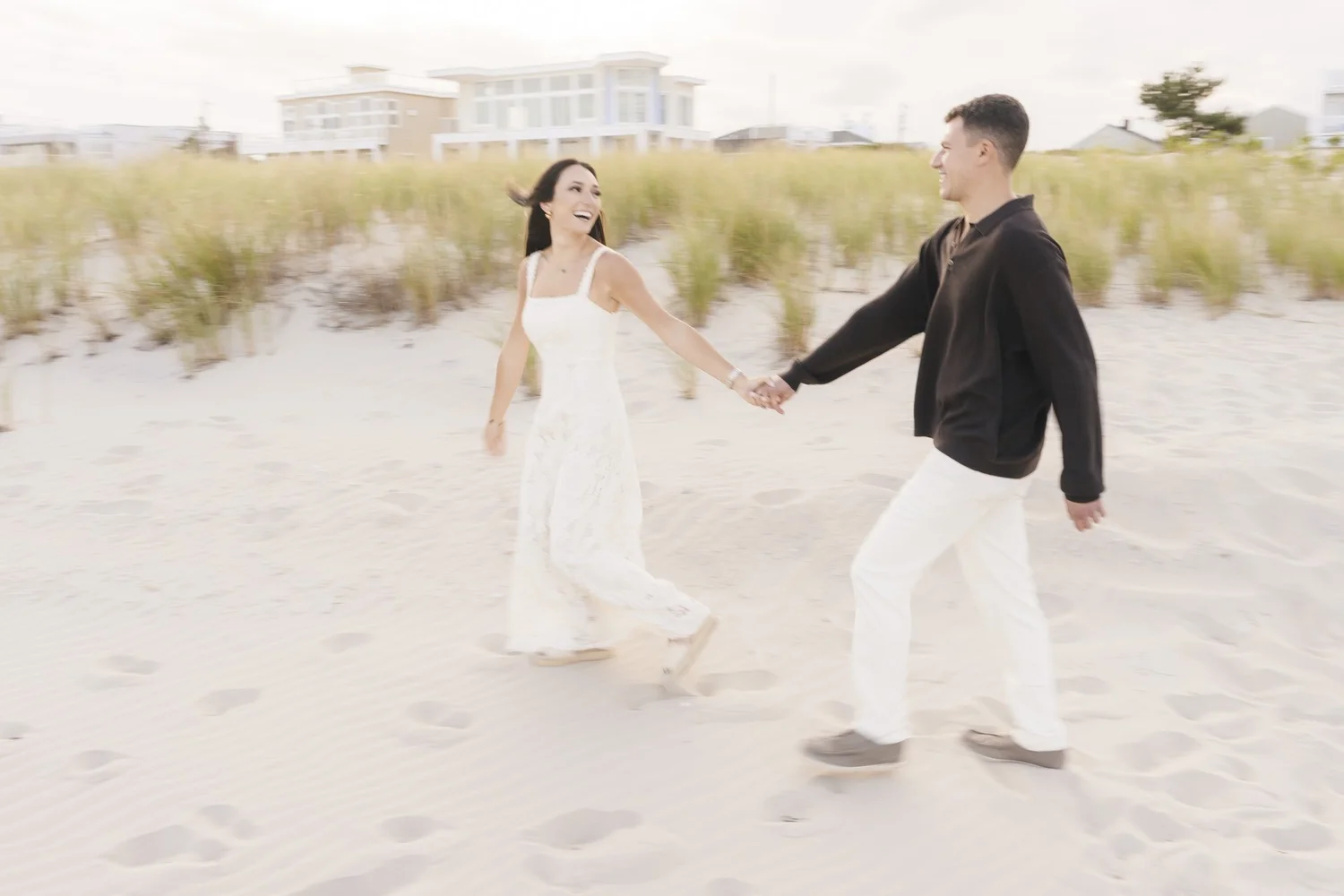
Waterfront settings offer room for movement, open backgrounds, and a sense of occasion without needing a complicated setup. A shoreline walk can lead naturally into a proposal, while a deck or promenade can suit couples who prefer a firmer surface underfoot. Think about the experience from arrival through the final portraits, including parking, walking distance, and where you will go afterward.
At the beach, wind and sand become part of the plan. Choose clothing that allows you to move comfortably, secure the ring before leaving the car, and decide where any bags will go. Avoid creating a setup that requires your partner to navigate an awkward obstacle before reaching you. A simple route leaves more attention available for the conversation you actually want to have.
For inspiration, browse our beach proposal ideas and LBI proposal photography. Treat those stories as examples rather than templates you must copy. Your plan might involve a quiet walk, a meaningful landmark, or a small gathering after the surprise. The best version is one that suits your partner and allows enough flexibility for the conditions on the day.
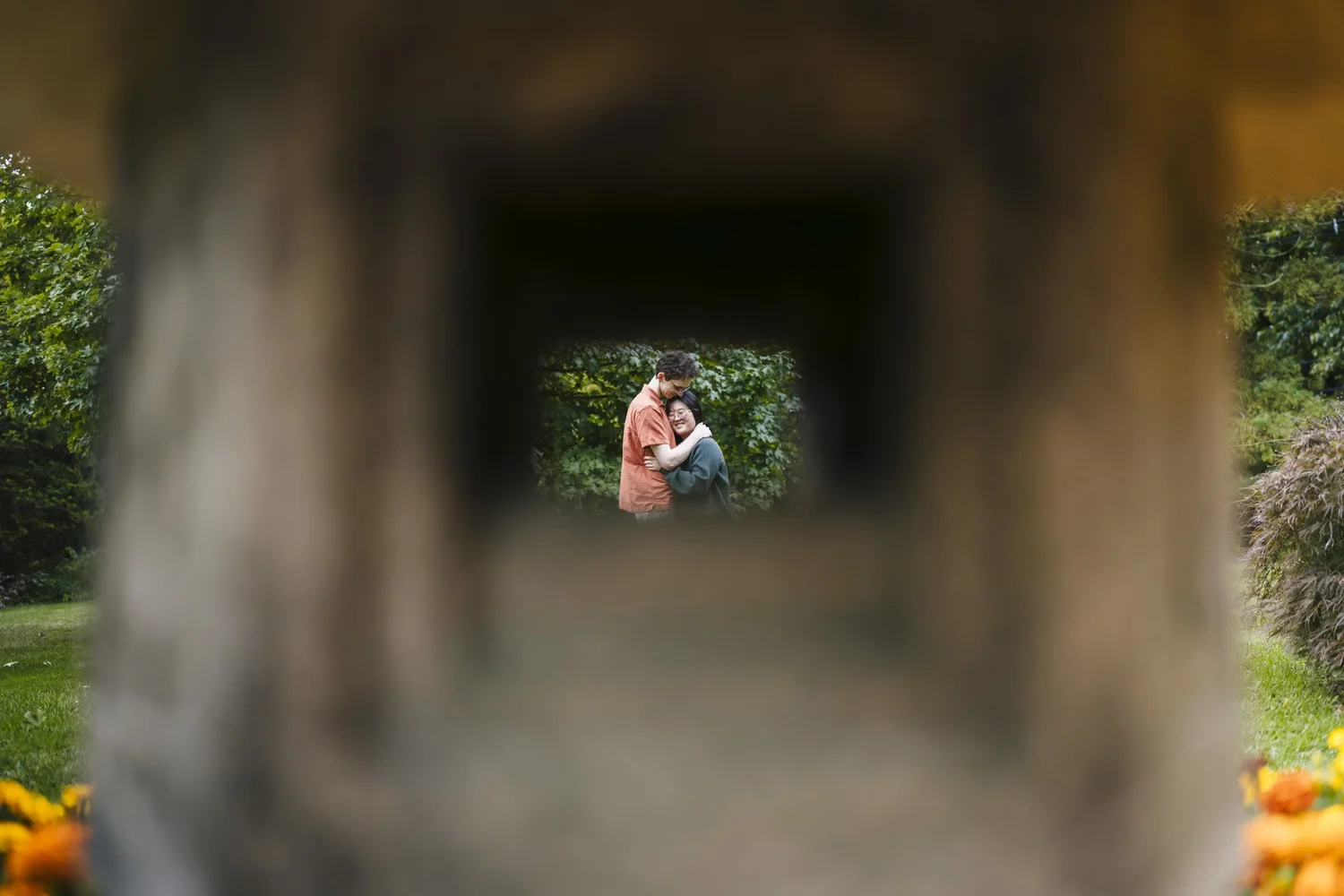
Use the light to shape the experience
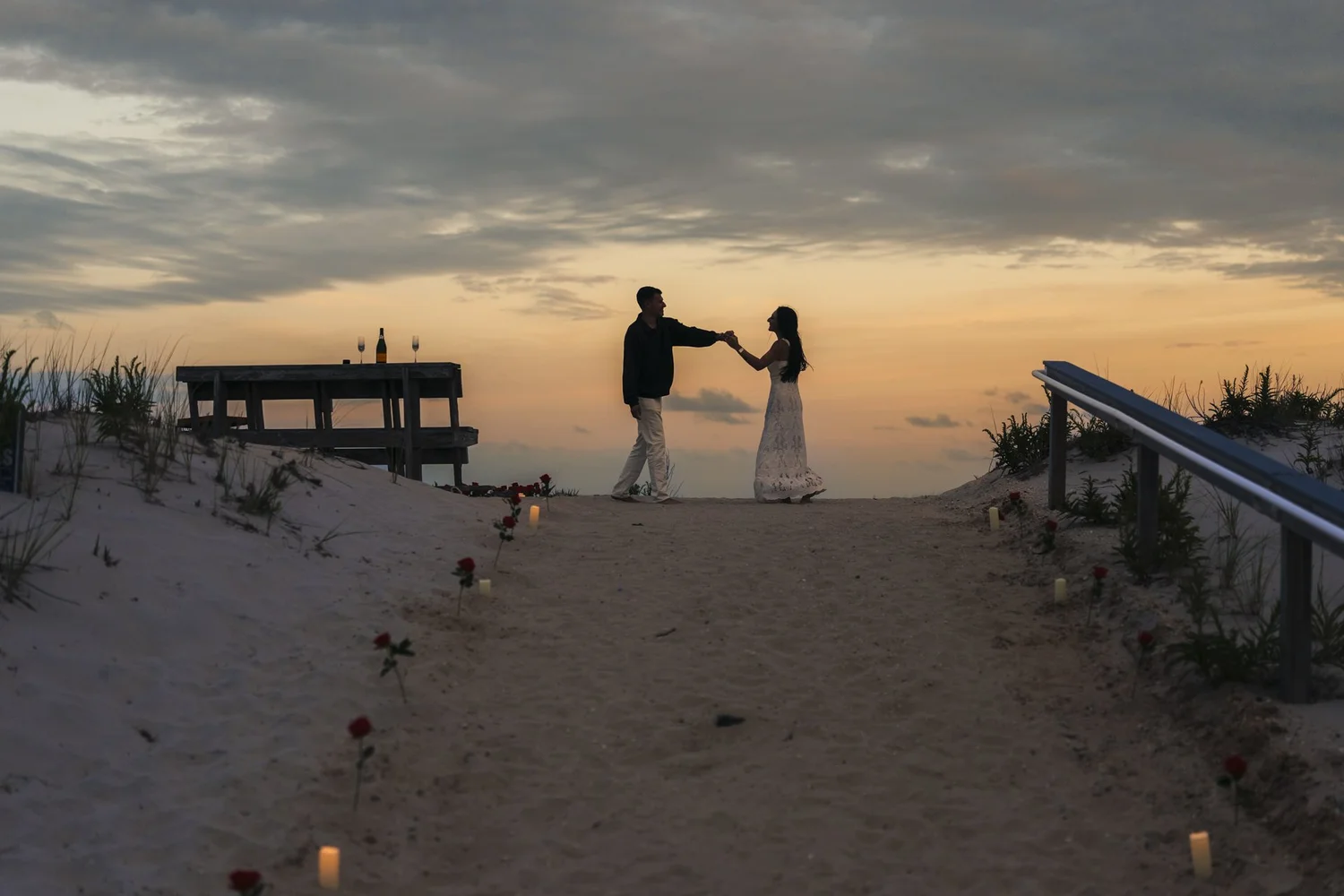
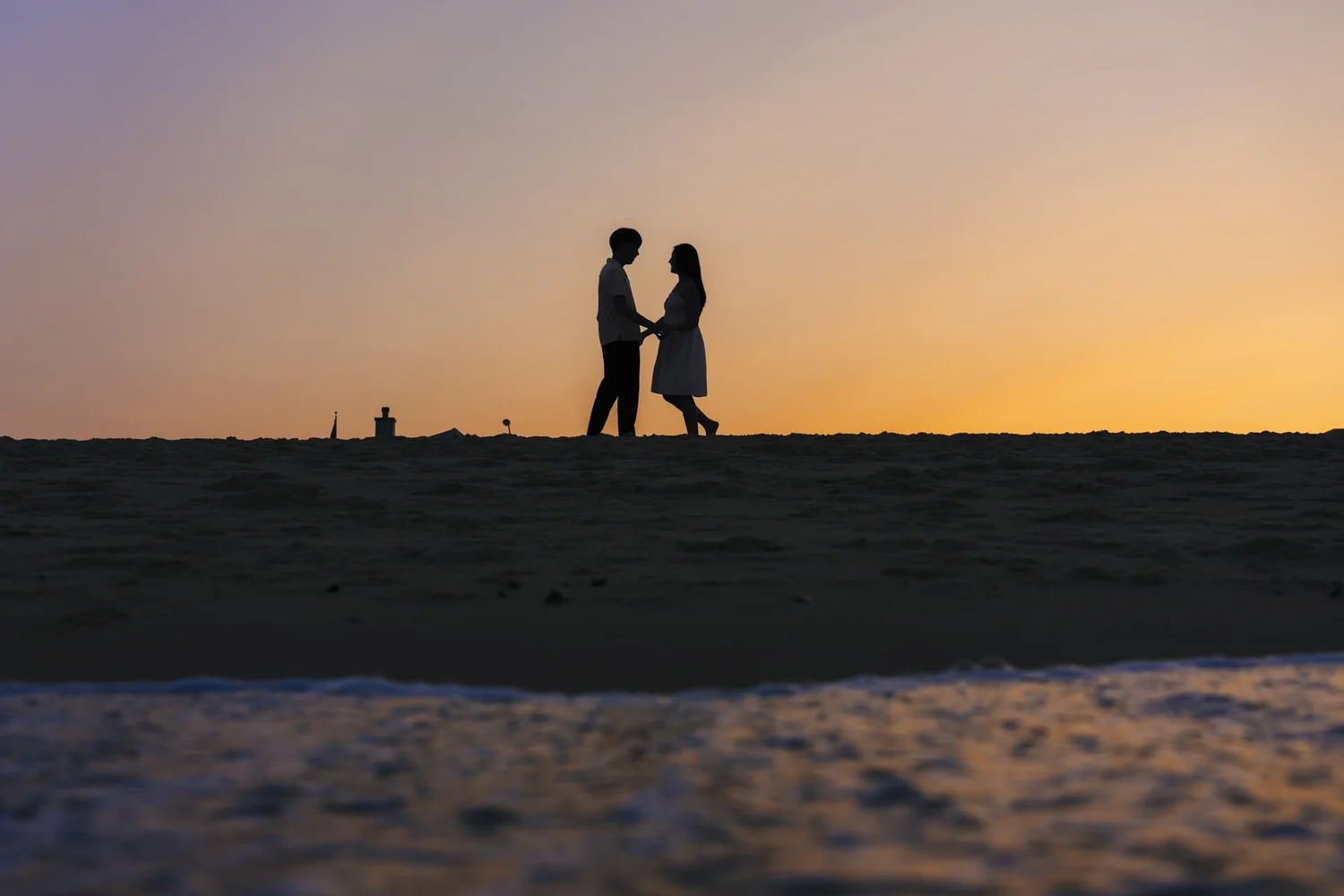
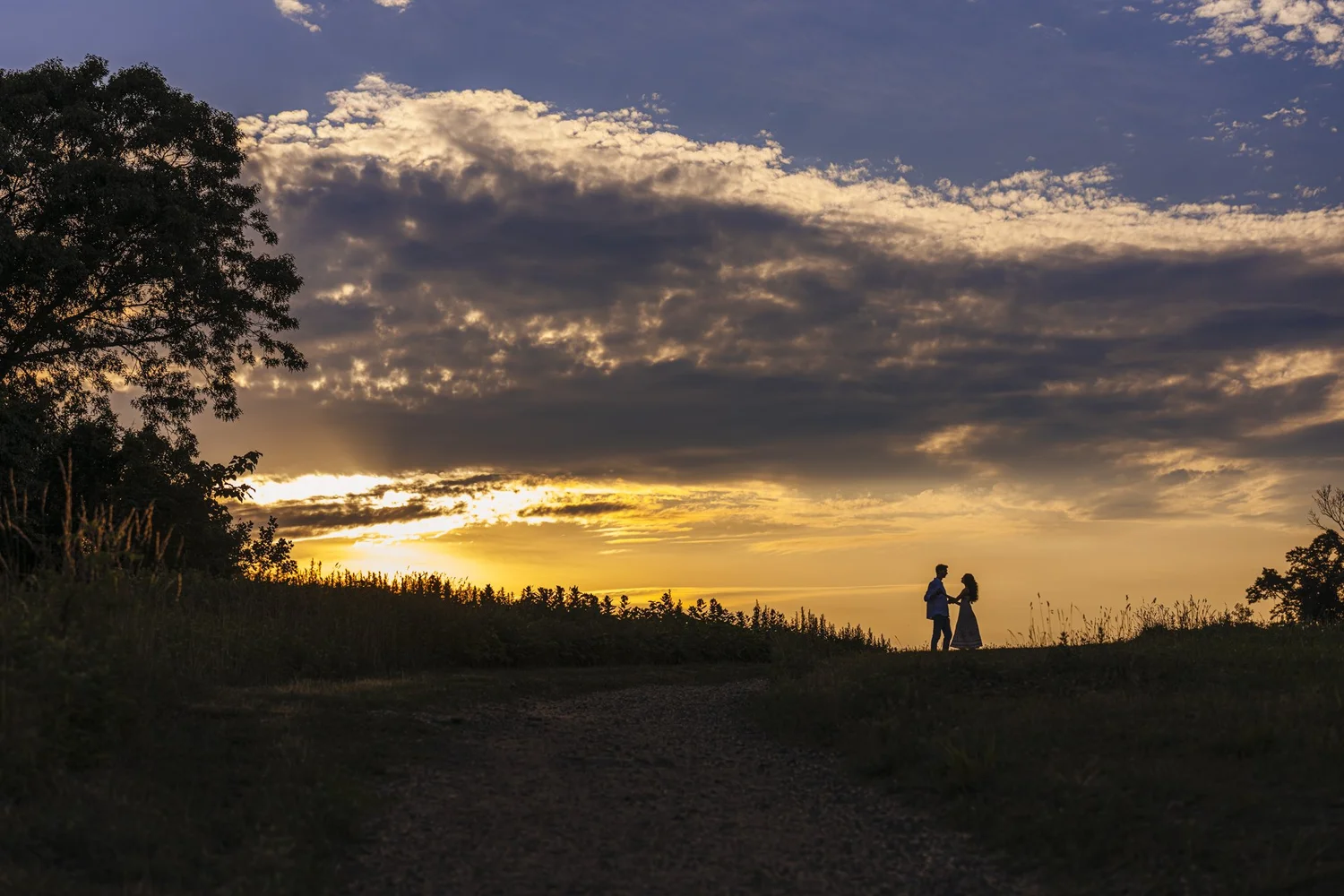
Light influences the mood of a photograph, but it should be considered alongside your schedule and the setting. Evening light can create a warm, romantic atmosphere. A dramatic sky can make a wide portrait feel especially memorable. Open shade may provide another option when the proposal needs to happen earlier. There is no single time that works equally well for every location or season.
Ask your Surprise Engagement Photographer to help you build the timing around the photographs you value most. If you love sunset silhouettes, leave room for portraits after the proposal rather than scheduling the question at the last possible moment. If clear views of both faces are your priority, discuss where to stand and how the available light will fall across you.
Clouds can change the look of a scene, and a planned sunset may not appear exactly as imagined. Give the photographer room to respond to the actual conditions. A meaningful expression in soft light can be more important than a particular color in the sky. Build a timeline with breathing room so that a short delay does not turn a joyful experience into a race against the clock. The goal is a relaxed sequence of moments that photographs beautifully.
Garden proposals and quiet places to connect
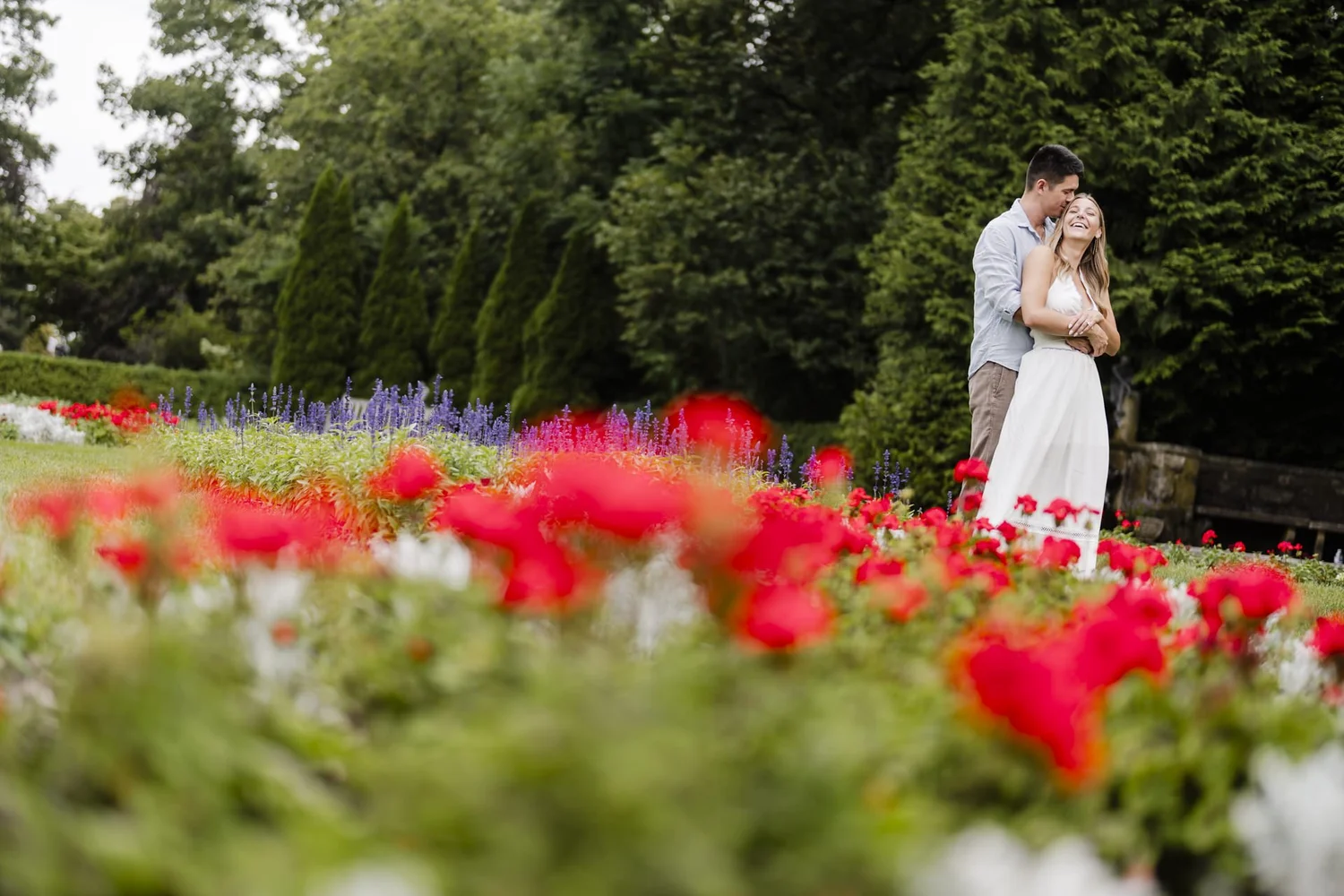
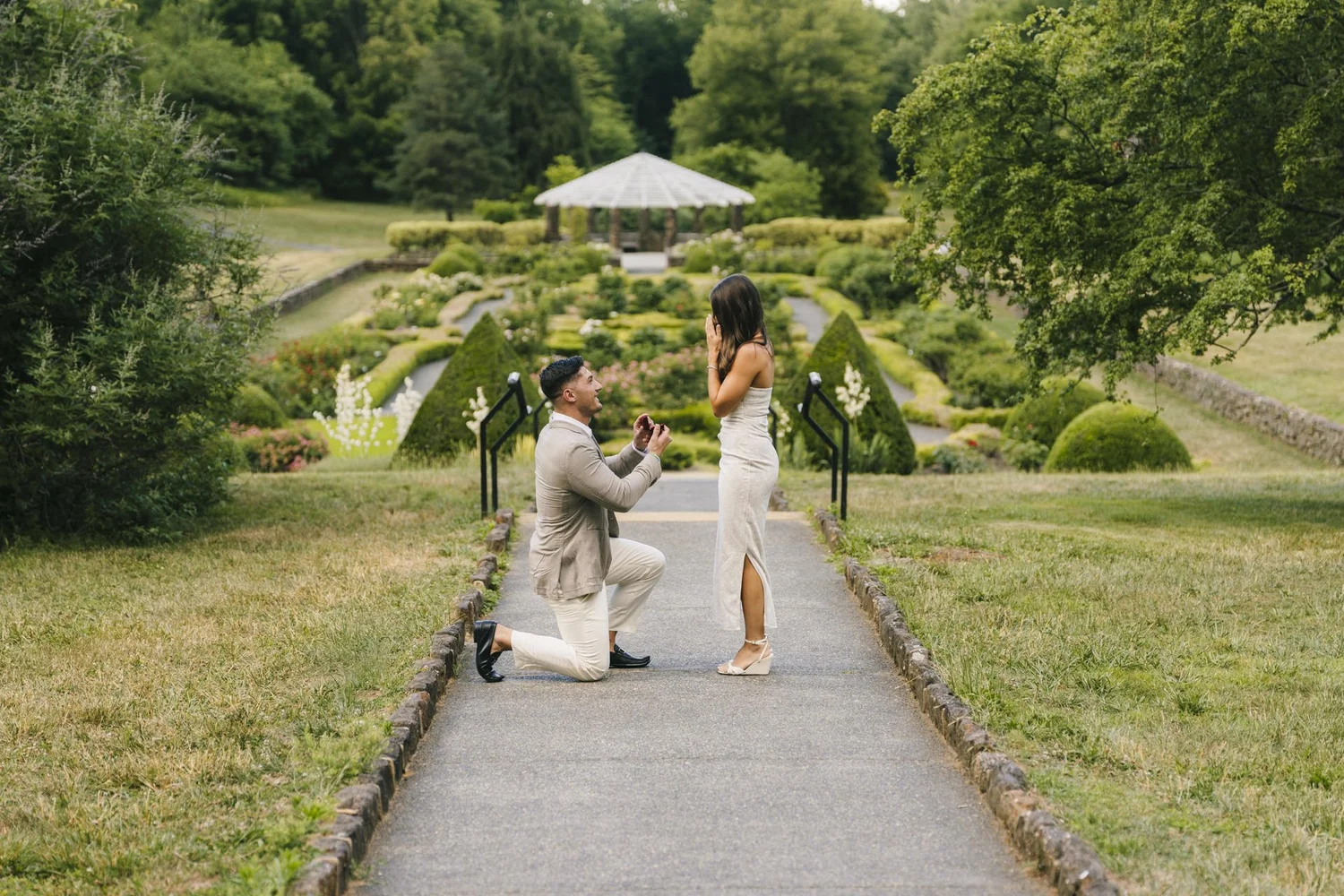
Gardens bring texture, color, and a sense of intimacy to proposal photographs. A path can guide the eye toward the couple, while flowers and trees can add depth without distracting from expressions. These settings can also offer a gentle transition from the surprise into portraits, because a short walk may reveal several different backgrounds within the same area.
Choose your exact stopping point with care. A narrow path may become crowded, and a beautiful staircase may place one person above the other in an awkward way. Consider where the photographer can stand without blocking visitors or becoming conspicuous. Keep the intended area accessible and avoid relying on a flower display that may look different by the time your proposal takes place.
Our Deep Cut Gardens surprise proposal story and NJ Botanical Gardens proposal story can help you explore the visual possibilities. Confirm current access arrangements directly with the location before finalizing plans, especially if you want decorations or a reserved space. A garden proposal can be simple and personal: a walk, a quiet pause, a meaningful question, and time afterward to enjoy being together.
Keep the surprise believable and comfortable
A convincing plan usually grows out of something you might do anyway. Dinner followed by a walk, a weekend outing, or a visit to a place you both enjoy can create a natural reason to be there. The more complicated the explanation becomes, the more details you must manage while also carrying the ring and keeping track of the photographer.
Think about your partner's comfort before designing the surprise. If they would appreciate feeling dressed for photographs, build an occasion that makes that choice natural. If they dislike being the center of attention, choose a quieter setting and keep the group small. The surprise should be the proposal, not an uncomfortable situation they feel pressured to enjoy. Your knowledge of your partner is more useful than any generic proposal formula.
Limit the number of people who need the full plan. A trusted friend can help with logistics, but several people texting updates may make coordination harder. Agree on one main contact and a discreet way to communicate with the photographer. Once you arrive, avoid checking your phone repeatedly. A clear plan should allow you to look at your partner, enjoy the setting, and move into the moment without feeling as though you are managing a production.
Let the actual proposal unfold naturally
You do not need to perform for the camera. Take a breath, look at your partner, and say what you want them to hear. Some people prepare a few sentences; others carry a small note to help them remember. Either approach can work. The important thing is that your words sound like you, rather than something chosen because it might look impressive in a photograph.
During planning, discuss a general position that gives the photographer a view of both of you. Once the moment begins, do not keep turning toward the camera for reassurance. Stay with your partner's reaction. Pause long enough to experience what is happening, but do not turn the proposal into a timed exercise. A laugh, a tear, or an unexpected interruption can become part of the memory.
After the question, allow the embrace and conversation to continue. There is no need to immediately show the ring to the lens or begin posing. A Surprise Engagement Photographer can look for those small transitions while you absorb the news together. The photographs gain meaning from the relationship in front of the camera. Planning creates the opportunity to document it; your attention to each other supplies the emotion.
Build a timeline that leaves room to breathe
Start by identifying the moments you want covered: the approach, the proposal, the immediate reaction, portraits together, and perhaps a family reunion afterward. Then discuss how much time those priorities reasonably require. Walking between locations, meeting relatives, and changing shoes can take longer than expected. It helps to plan the sequence in ordinary language before assigning exact times.
For example, you might arrive for a short walk, stop at the agreed location, propose, and spend a few minutes together before the photographer introduces themselves. A relaxed portrait session can follow, with family joining later if that suits your plans. Dinner should leave enough room for those moments rather than becoming a deadline that cuts the photography short. Confirm the final schedule with everyone involved.
Make a plan for delays before the day arrives. Decide who sends the update if traffic is slow and whether the photographer should remain at the original spot or use the backup. Avoid changing several details at once unless necessary. A timeline is most helpful when it reduces decisions in the moment. The aim is to know what comes next without feeling that you have to rush through one of the most important conversations of your life.
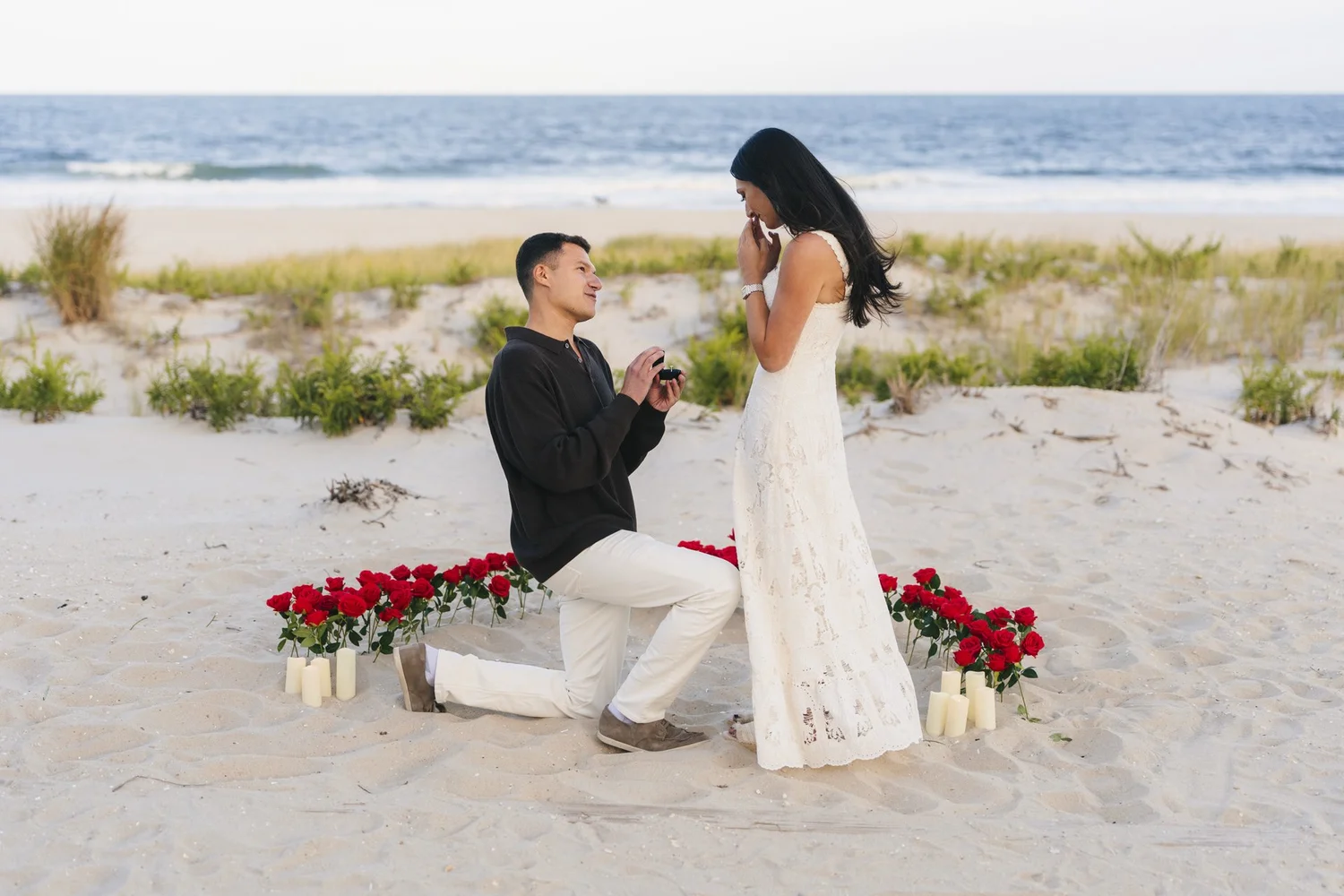
The portraits afterward are part of the story
The first portraits after a proposal have a different energy from a session scheduled weeks later. You are still processing the surprise, smiling at each other, and discovering how it feels to say that you are engaged. Those reactions can carry through simple photographs of walking, holding hands, or leaning close. You do not need an elaborate series of poses to make them meaningful.
Plan for a mix of perspectives. A wide photograph can show the setting and the atmosphere of the day. A closer portrait can preserve the way you look at each other. A detail of your hands or ring can add another layer without taking over the gallery. Together, those photographs help tell a fuller story than a collection of nearly identical images.
If you feel awkward in front of the camera, mention that during planning. Gentle direction and opportunities to move can make portraits feel more comfortable. You can explore our engagement sessions for ideas about the kinds of couple photographs you enjoy. Save a few favorites to explain your preferences, then allow your own personalities and the actual surroundings to influence the session. The goal is to recognize yourselves in the finished photographs.
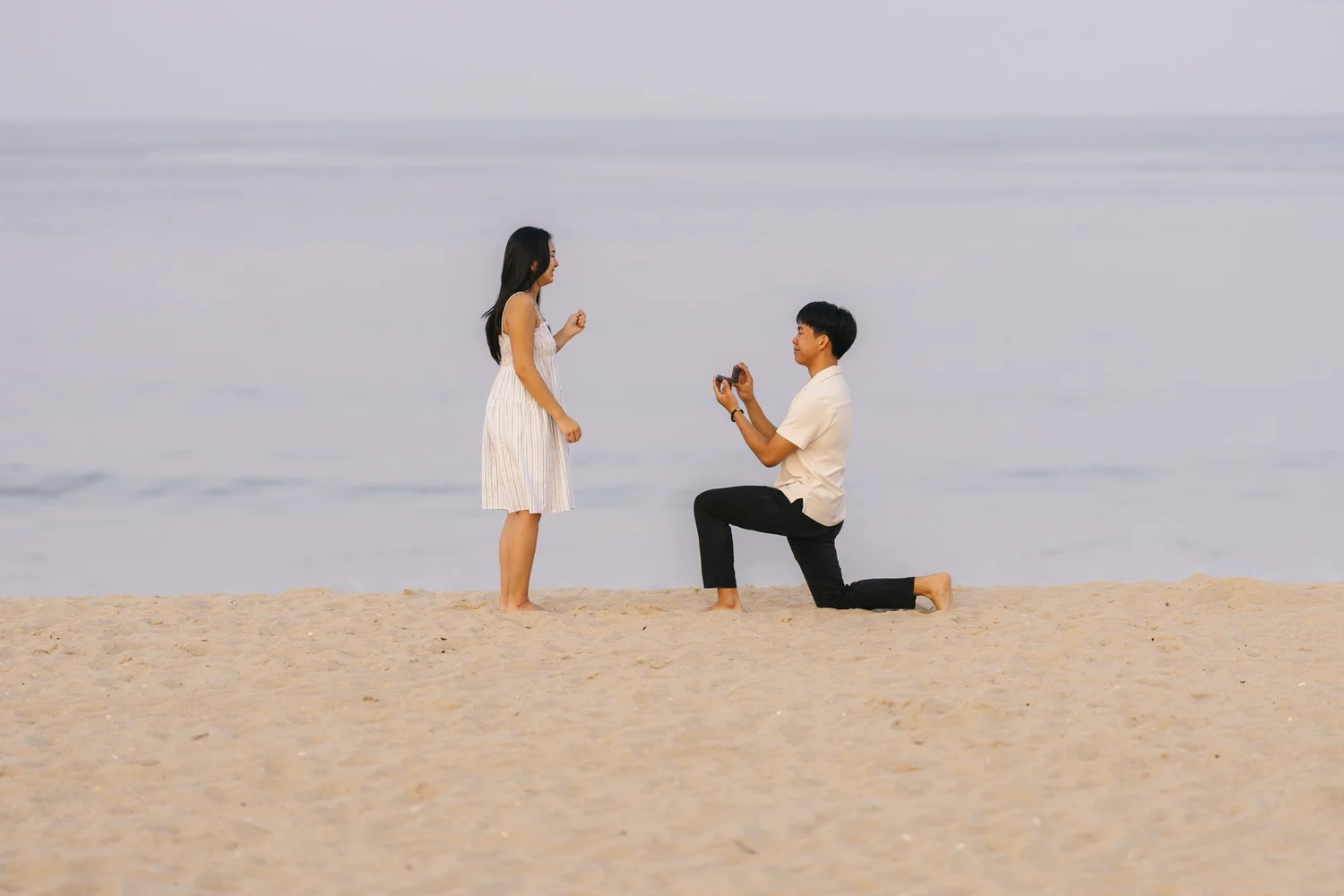
What to wear and what to bring
Choose clothing that fits the outing and lets you move easily. If you are walking across sand, climbing steps, or standing outdoors for a while, comfort matters as much as appearance. Clothing that needs constant adjustment can interrupt a moment you would rather enjoy. Try the outfit in advance and consider how it feels when sitting, walking, and kneeling.
Coordinating does not require matching. Colors and textures that feel harmonious can work well without making the photographs look overly planned. Think about the setting, too: a flowing dress may move beautifully in a breeze, while a jacket can add structure and warmth. You do not need to replace your personal style with an unfamiliar look just because a photographer will be there.
Carry only what you need for the immediate experience. Keep the ring secure and easy to reach, and decide where phones, keys, and bags will go before the proposal. A small water bottle, comfortable backup shoes, or a warm layer may be helpful depending on your plans. If someone is assisting with decorations, ask them to handle extra supplies. The less you have to juggle at the chosen spot, the easier it becomes to focus on your partner.
Make a thoughtful backup plan
A backup plan is part of making the day feel calm. Weather, crowds, traffic, or a temporary closure can change the original idea. Discuss those possibilities before you are on the way to the location. Knowing the alternative makes it easier to adapt without turning the change into a source of stress or accidentally revealing the surprise.
Choose a backup that preserves the feeling you want. If privacy is the priority, moving to a crowded indoor space may not solve the problem. If a scenic outdoor setting matters most, rescheduling may make more sense than forcing the plan into unsuitable conditions. Ask about the photographer's availability and policies while planning, and confirm any arrangements in writing so expectations are clear.
Decorations deserve their own practical check. Consider how they will be transported, placed, supervised, and removed. Keep walkways clear, respect the location, and confirm what the property allows. A few meaningful details can be enough; a complicated display is not a requirement for beautiful proposal photographs. Even if the final setup differs from the original vision, the central story remains the same: two people choosing a future together and having that moment preserved.
Include family and friends at the right moment
Loved ones can add another emotional layer to a proposal, especially when their presence is itself a surprise. The important decision is when they should join you. Some couples want immediate cheers and hugs. Others want private time first, followed by a celebration nearby. Talk through that sequence with your photographer and anyone helping coordinate the gathering.
If friends or relatives are waiting out of sight, give them a clear meeting point and one person responsible for updates. Ask them to avoid stepping into the photographer's line of sight during the proposal. Phone photographs can be wonderful keepsakes, but a crowd moving forward at once may block the expressions you hoped to preserve. Simple coordination helps everyone participate without confusion.
Allow a little time for group photographs if they matter to you, and share any important combinations beforehand. Then return to enjoying the celebration. You do not need to turn the entire evening into a formal photo session. A few planned portraits can sit comfortably alongside spontaneous hugs, laughter, and conversation. What matters most is that the presence of other people feels right for both partners, rather than being added because a proposal is expected to look a certain way.
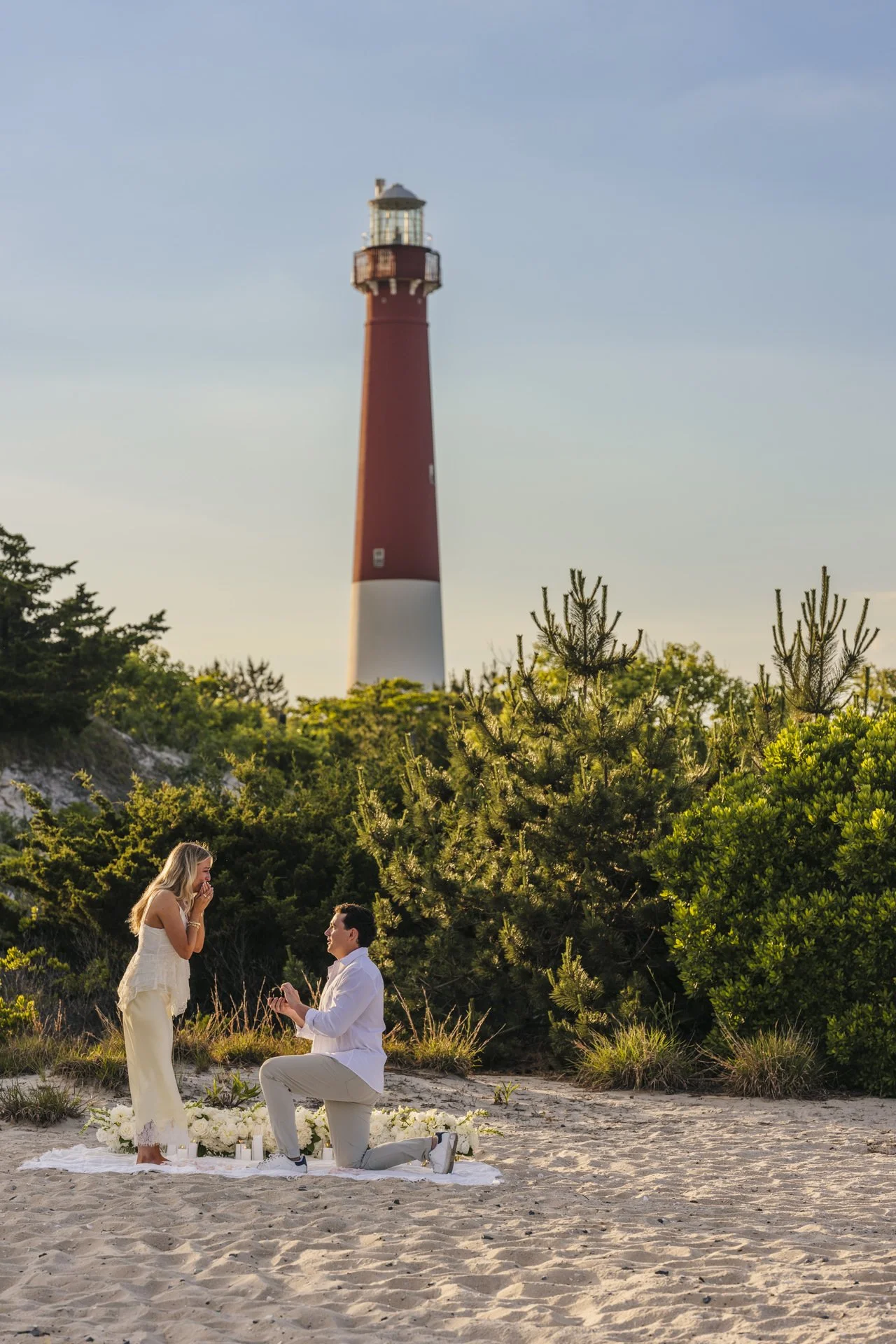
How to choose your Surprise Engagement Photographer
Look at complete stories rather than judging only one dramatic photograph. Notice whether the work includes clear reactions, a sense of place, and portraits that feel connected to the couple. Pay attention to different lighting conditions and how the photographer handles the moments immediately after the proposal. Those details help you understand the experience behind the images.
Communication matters just as much. Ask how advance planning works, how you will coordinate on the day, and what happens if the schedule changes. Confirm the coverage time, what the delivered gallery includes, the expected delivery timing, and how you may use the photographs. Discuss your priorities directly rather than assuming a package includes every detail you have imagined.
The right Surprise Engagement Photographer should leave you feeling informed and comfortable with the plan. Browse the Delgado Studios portfolio and proposal stories, then bring your questions to the conversation. Explain what you love about the images and what feels most important about your own proposal. Clear expectations create space for a more relaxed experience, because you can stop wondering whether the photographer knows what matters to you and focus on the person beside you.
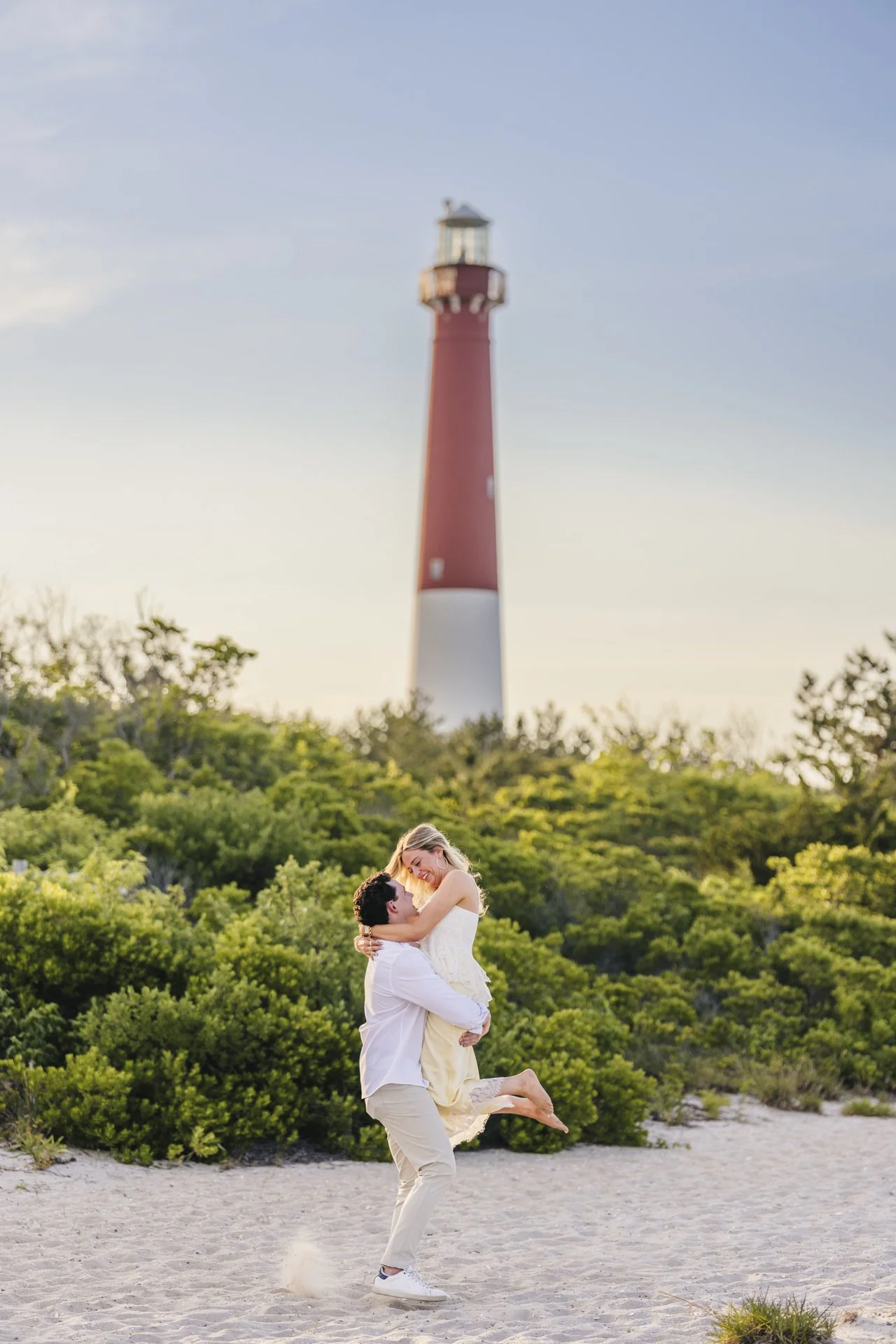
Start planning your proposal with Delgado Studios
You do not need a finished plan before reaching out. A general date, a location idea, and a description of your partner can be enough to begin a useful conversation. Share whether you imagine a beach walk, a garden proposal, a meaningful landmark, or another setting altogether. Mention anything that is already fixed, such as dinner reservations or visiting family.
Use the Delgado Studios contact page to ask about availability and discuss your proposal photography priorities. Include the approximate timing, your preferred area, and whether you would like portraits or a celebration documented afterward. Those details make it easier to talk about the coverage that fits your plans. Confirm pricing and specific arrangements directly before considering the photography booked.
As you move forward, keep returning to the experience you want to share. The location, the ring, the photographs, and the celebration all support that moment. They do not have to compete for your attention. A thoughtful plan and a photographer you feel comfortable with can help you stay present when the question finally comes. Your Surprise Engagement Photographer story should feel personal from the first conversation to the last portrait: a record of your relationship, your surprise, and the beginning of what comes next.
Questions About Surprise Engagement Photography
How early should I contact a photographer?
Reach out once you have a possible date or a general timeframe. Earlier contact gives you more opportunity to discuss availability and coordinate the setting. If your plans are coming together quickly, ask what is possible rather than assuming there is no time. Availability and planning needs vary, so confirm them directly.
Does the photographer have to remain completely hidden?
Not necessarily. Depending on the location, a photographer may be able to blend into the surroundings rather than hide. Discuss an approach that makes sense for the space and your partner. The practical goal is to preserve the surprise while keeping a clear view of the moment.
Can we take engagement portraits after the proposal?
Yes, that can be part of the plan when included in the agreed coverage. Leave time for the initial reaction before moving into portraits. Tell the photographer whether you prefer a short session nearby or a broader variety of photographs so the schedule reflects your priorities.
What if my partner notices the camera?
Stay focused on the conversation rather than trying to explain every detail. A glance at a camera does not erase the meaning of the proposal. Discuss the approach in advance, then accept that real moments can include surprises for both of you. The photographs can still preserve an honest and joyful experience.
Should I plan a separate engagement session?
A separate session gives you another opportunity to choose clothing, visit a different location, and create portraits together without keeping a secret. Proposal photographs preserve the surprise itself. Some couples value both experiences; others prefer to keep their photography to the proposal day. Choose the approach that suits your relationship and plans.