
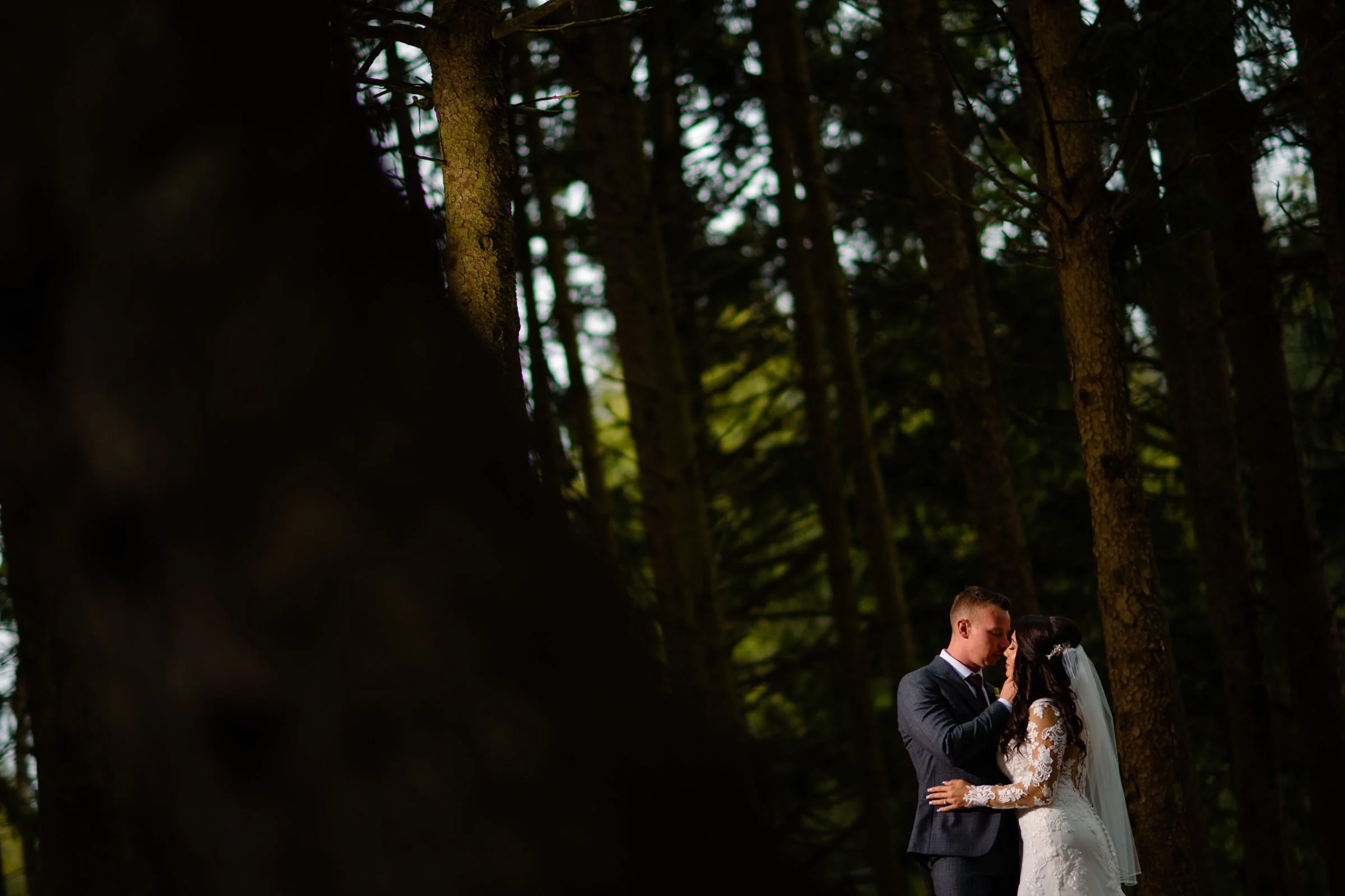
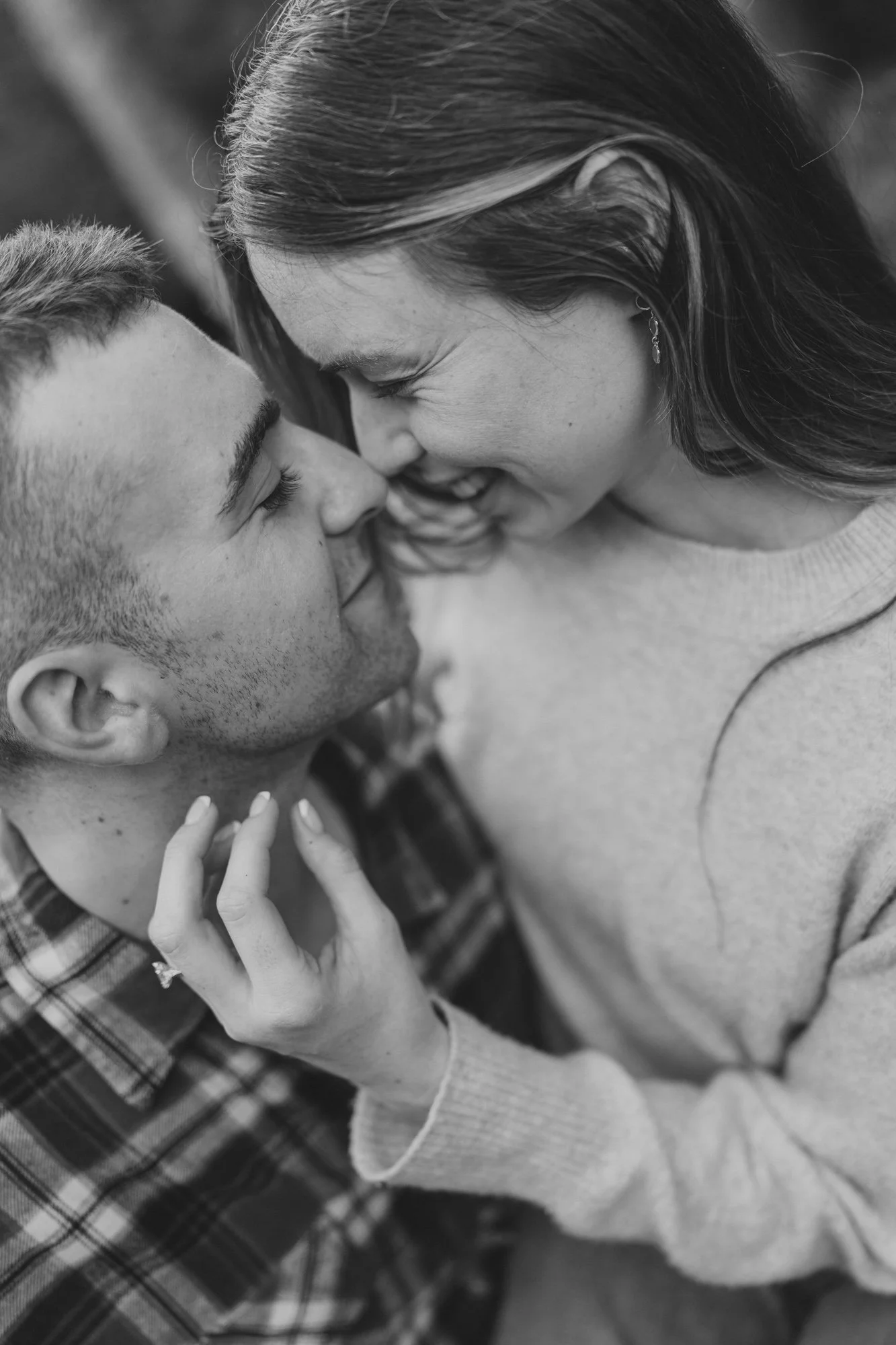
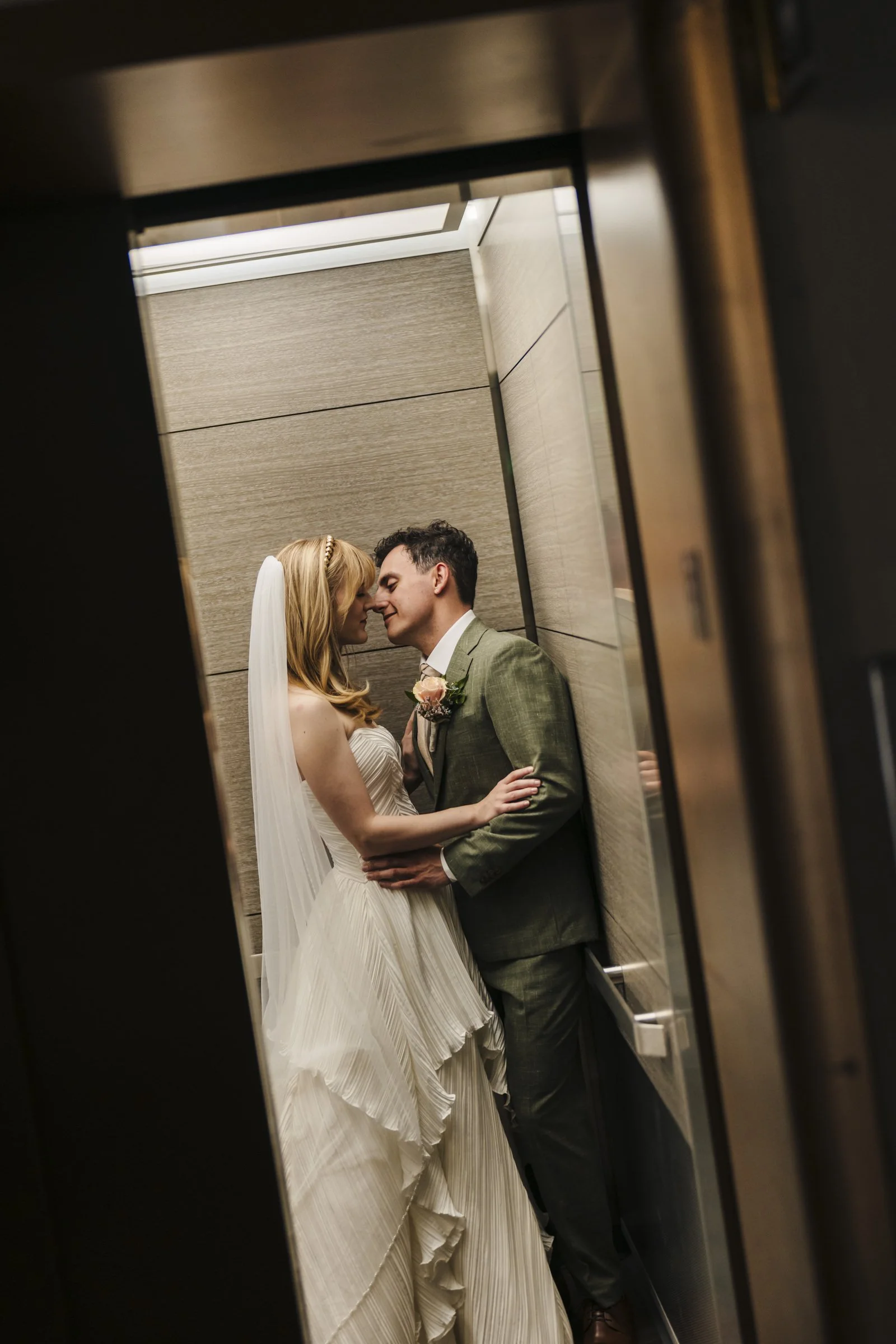
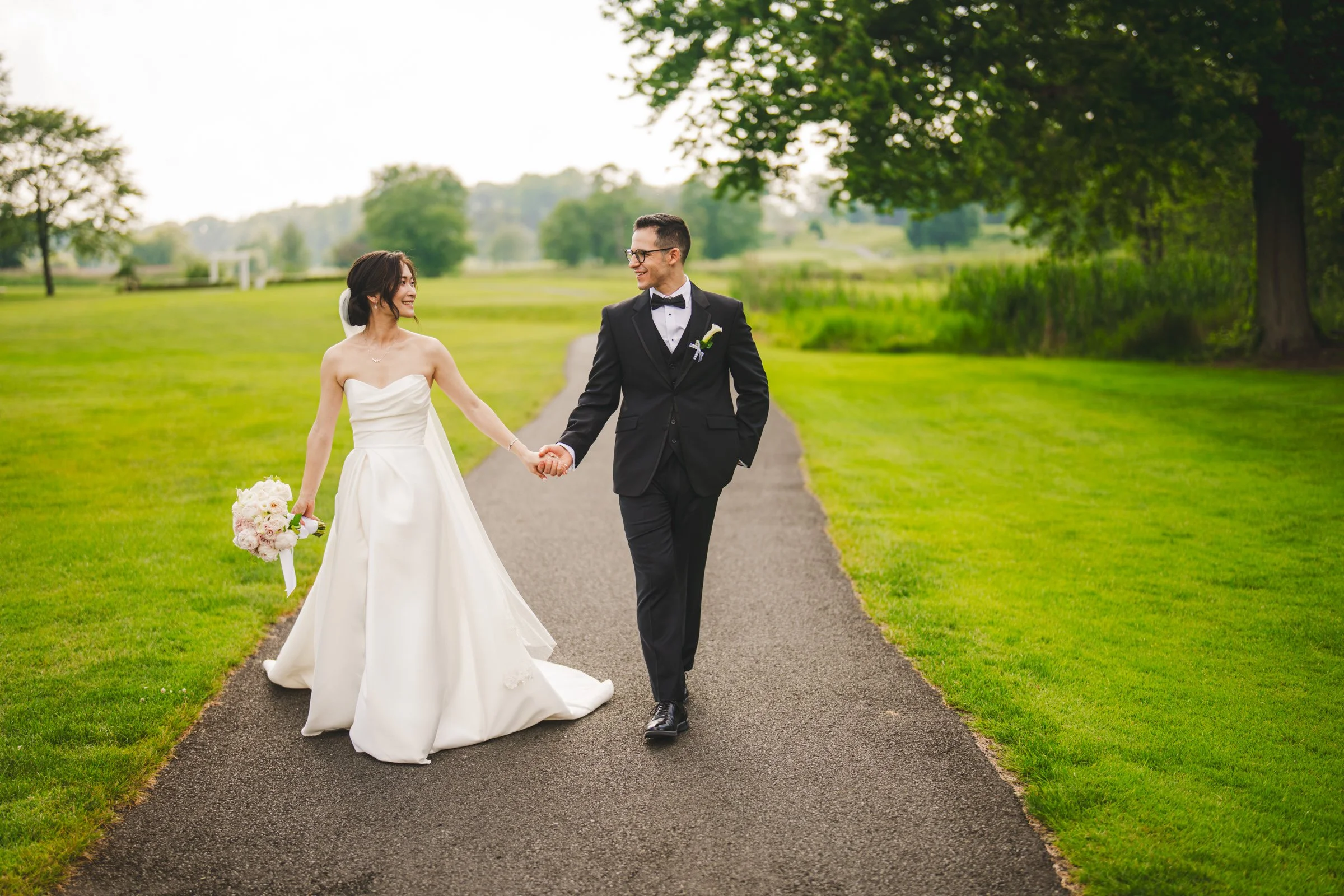
The best photos of two people rarely begin with a perfect pose. They begin with a moment that feels familiar: a hand finding the other person’s, a shared laugh after a quiet joke, a close look that says more than a smile toward the camera ever could. If you are wondering how to pose naturally together, the goal is not to perform for the lens. It is to create enough comfort and gentle direction that your real connection has room to show.
For couples, families, and loved ones celebrating a milestone, that distinction matters. You should recognize yourselves in your photographs years from now, not a stiff version of yourselves trying to get every detail right. A thoughtful portrait process combines flattering placement with movement, conversation, and time to settle in.
Start Close, Not Perfect
Most people feel more relaxed when they have a clear place to stand and something simple to do with their hands. Begin by standing close enough that there is a natural point of connection: shoulder to shoulder, hip to hip, or with one person slightly turned toward the other. A small amount of contact makes a photograph feel connected before anyone has to force an expression.
Avoid standing squarely parallel to the camera with your arms held at your sides. Instead, shift your weight onto one leg, soften your knees, and turn slightly toward your partner or family member. This creates shape without looking overly posed. You do not need dramatic angles. Even a subtle turn of the shoulders can make a meaningful difference.
If you are a couple, try placing your hands where they would naturally go during a quiet walk: around a waist, resting on an arm, holding hands, or lightly touching a jacket lapel. For parent-and-child portraits, a hand on a shoulder or around a child’s back often feels more genuine than asking everyone to stand in a straight line. The right placement depends on your relationship, wardrobe, and setting, but comfort should always lead.
How to Pose Naturally Together Without Feeling Stiff
The easiest way to look natural is to give your body a reason to move. Standing completely still while being photographed can make anyone self-conscious, even people who are comfortable in front of a camera. Small movement gives you something to focus on besides the lens.
Walk slowly toward one another, then continue walking side by side. Adjust a sleeve, tuck hair behind an ear, or lean in as you talk. Look at each other for a few seconds, then look away. These are not tricks. They are familiar actions that allow your posture and expression to change naturally.
A photographer may guide you with prompts such as, “Bring your foreheads close,” “Tell them what you noticed first about them,” or “Take a breath and settle in.” The instruction is simple, but the response is personal. One couple might laugh immediately. Another might become quiet and affectionate. Both create beautiful images because neither response is manufactured.
Movement also helps when there is a noticeable height difference. Rather than trying to level yourselves unnaturally, use the difference. One person can angle slightly inward, sit on a low step, or lean gently toward the other. The goal is balance in the frame, not identical posture.
Give Your Eyes Somewhere Honest to Go
You do not need to look at the camera in every portrait. In fact, photographs often feel more intimate when your attention is on the person beside you. Look at their forehead, their hands, the shoulder or somewhere just beyond them. Let your gaze follow the moment instead of holding a fixed expression. Avoid looking into their eyes when you are inches apart. It looks very contrived and unrealistic.
That said, camera-facing portraits still matter. They become the polished, frame-worthy photographs parents love and the images that often make their way into albums and holiday cards. When it is time to look at the camera, think less about smiling on command and more about relaxing your face. Exhale, lower your shoulders, and let the smile arrive rather than holding it in place.
If a smile starts to feel frozen, reset. Look away, speak to the person next to you, then come back. A short pause is almost always better than pushing through discomfort. A calm photographer will notice when you need that reset and keep the energy light.
Let Your Hands Have a Purpose
Hands are often the first thing people worry about, and the solution is usually simpler than expected. Give them a connection point. Hold hands loosely. Place one hand at a waist or upper arm. Let fingers rest gently rather than pressing flat against someone’s clothing. If you are sitting, one person can place a hand over the other’s or rest it naturally on a knee.
Try not to grip too tightly or hide both hands at once. Gentle contact photographs better and feels more affectionate. If you are wearing formal attire, small adjustments can help: a hand at the edge of a suit jacket, fingertips grazing the side of a dress, or an arm linked through a partner’s.
For family groups, hands can communicate closeness without becoming distracting. A grandparent’s hand around a child’s shoulder, siblings linking arms, or parents drawing children in at their sides creates an image with warmth and structure. Young children do not need to be perfectly still. Often, their wiggles, cuddles, and glances toward a parent become the most treasured part of the photograph.
Build Portraits Around the Feeling of the Day
Natural posing should reflect the event you are celebrating. An engagement session can make room for walking, talking, and lingering in a meaningful location. Wedding portraits may be more focused because the day has a timeline, but even a short portrait window can feel relaxed when the guidance is clear and prepared.
At a bar or bat mitzvah, sweet 16, or milestone party, portraits often involve multiple generations and limited time. In those moments, the most effective approach is organized but never rushed. Start with the essential formal groupings, then leave space for the interactions around them: a parent fixing a tie, cousins laughing between photos, a proud grandparent taking in the room. Those in-between moments help tell the fuller story.
Wardrobe and location also influence what feels natural. A formal ballroom may call for composed, elegant posture. A beach, garden, or city street invites more movement. Neither is better. The best direction fits the environment while keeping you comfortable enough to be present.
Trust Gentle Direction, Then Make It Your Own
Good posing is not about being left alone to figure it out. It is about receiving calm, specific guidance without being controlled at every second. A photographer can position you in flattering light, refine the angle of a shoulder, and suggest a natural interaction. After that, the strongest photographs often happen in the space between instructions.
At Delgado Studios, Joseph guides portraits with that balance in mind: enough direction to make you feel confident, enough freedom for the emotion to remain yours. You will never need to memorize poses or spend your celebration wondering what to do next. The work is to notice the person beside you, breathe, and let the occasion be what it is.
A Few Details That Make a Real Difference
Before portraits begin, take a moment to check the details that can pull focus in a photograph. Empty pockets of phones and keys, smooth a jacket, and make sure hair and accessories feel secure. Then let go of the rest. Trying to control every strand of hair or every expression can take you out of the experience.
Give yourselves more time than you think you need, especially on a wedding day or during a family event. Ten unhurried minutes can create a far more relaxed result than five hurried ones. If you are nervous, say so. There is nothing unusual about it, and an experienced photographer can adjust the pace, prompts, and approach accordingly.
The most lasting portraits are not proof that you knew exactly where to put your hands. They are reminders of who stood beside you, how the room felt, and why the day mattered. Stay close, keep moving, and allow a little imperfection. That is often where the photograph becomes unmistakably yours.