
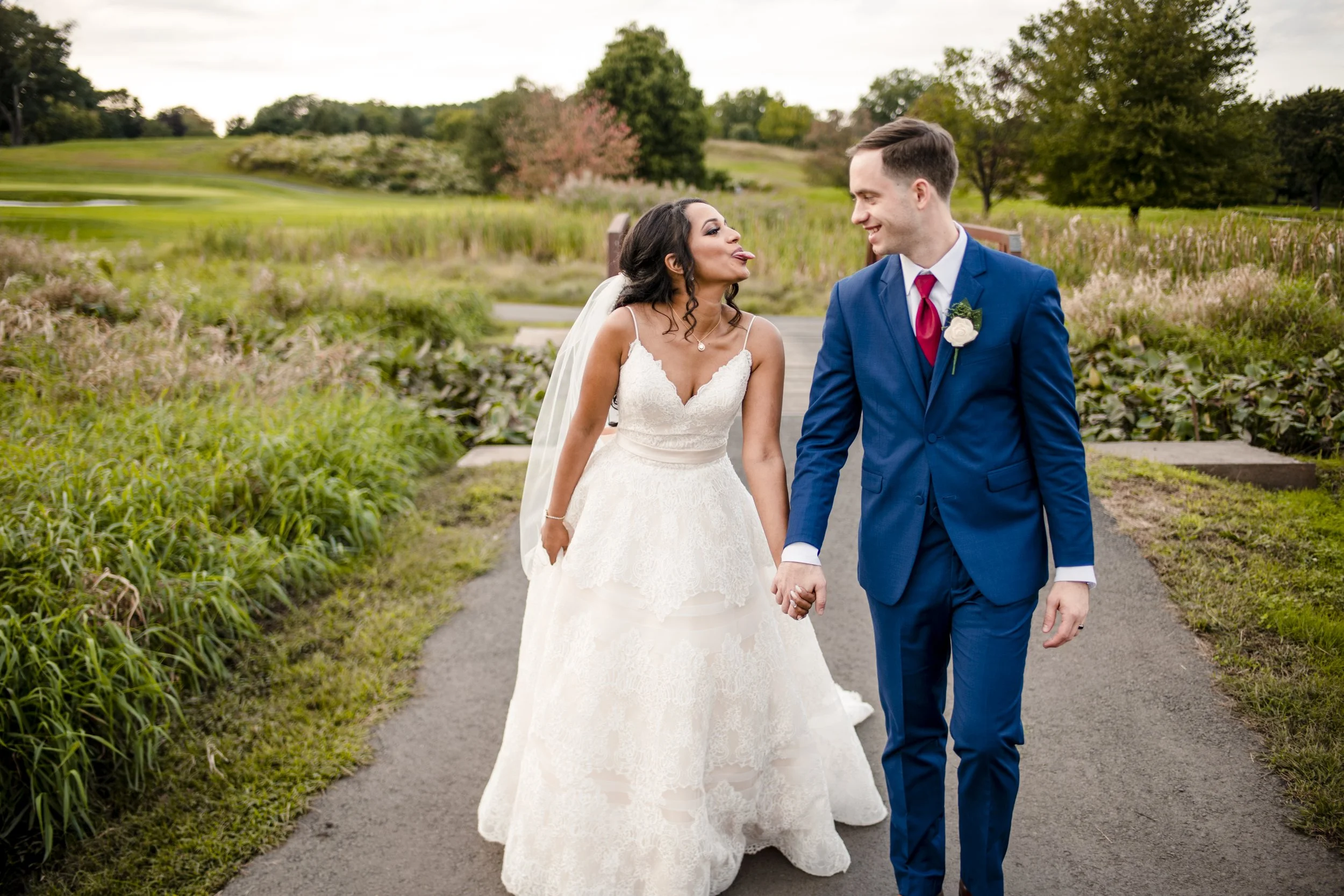
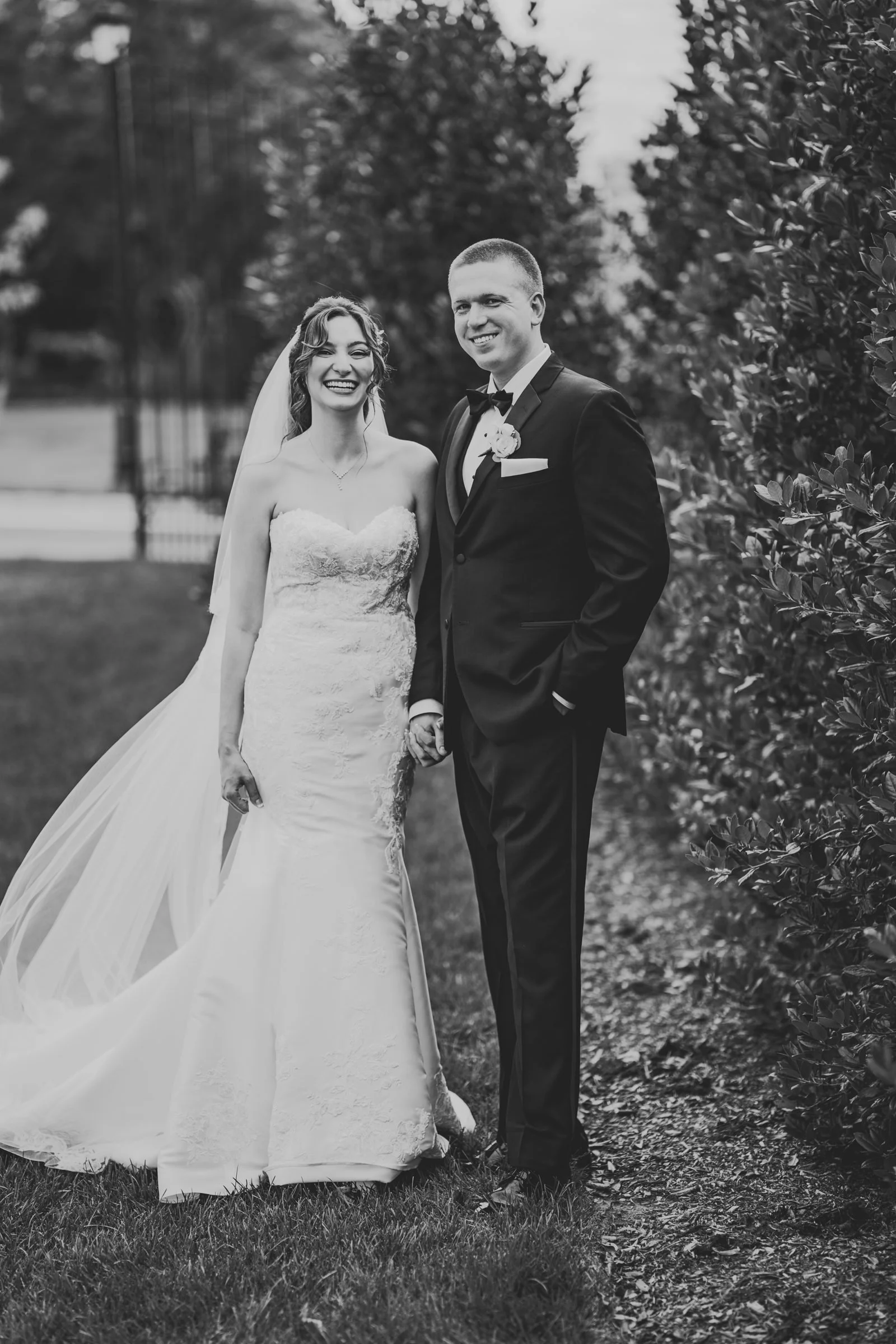
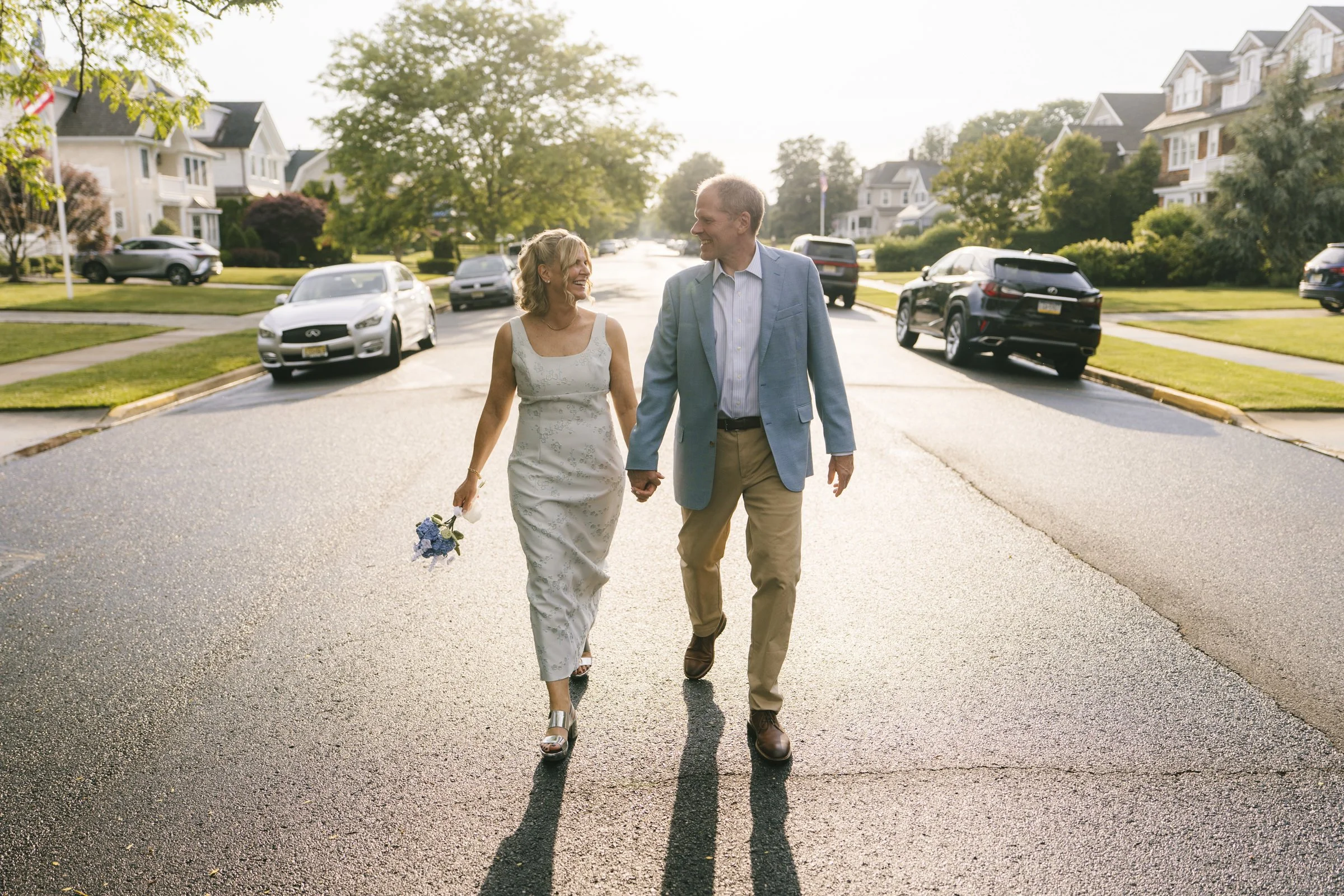
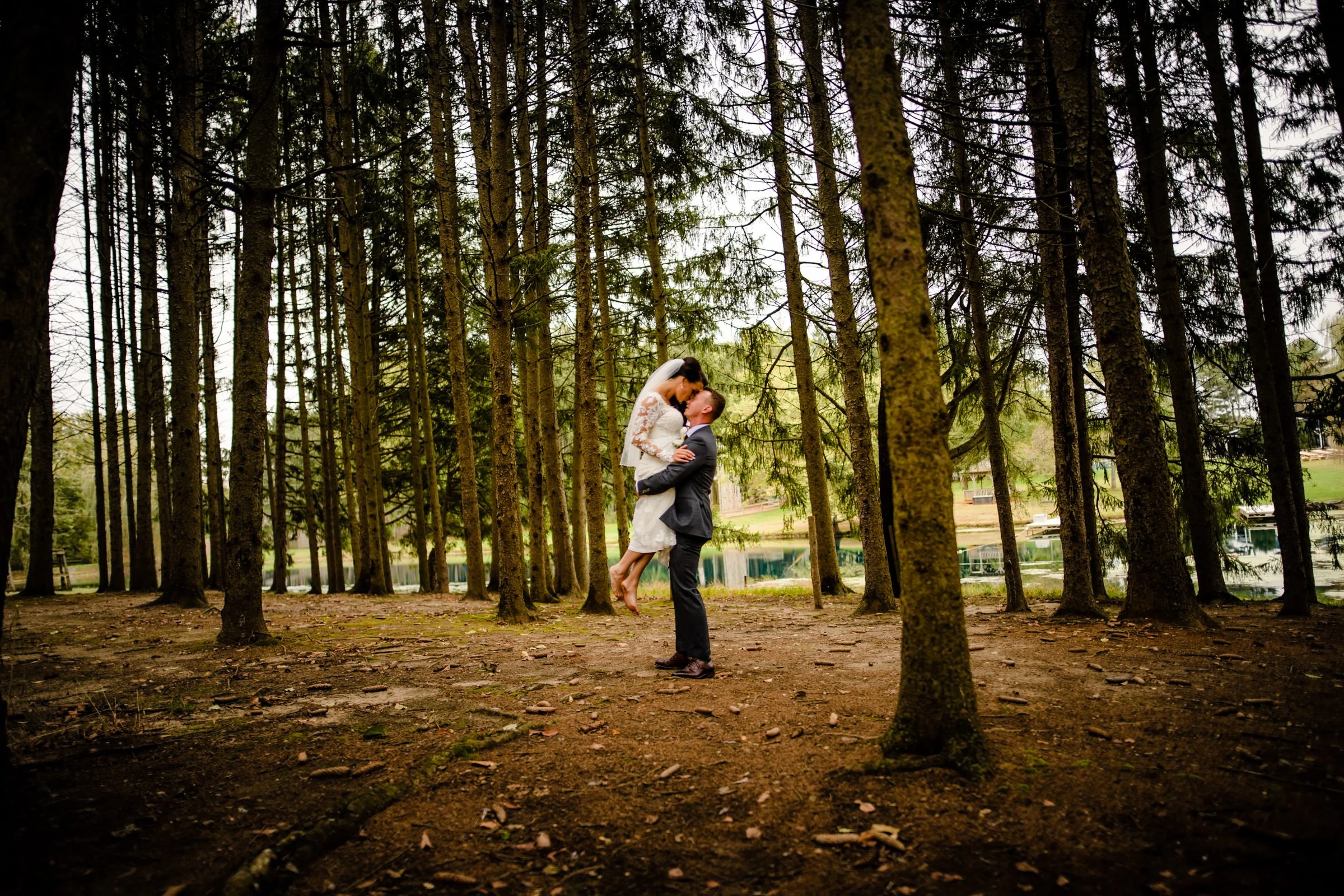
A quiet squeeze of the hand before the ceremony. Your grandmother laughing at a toast. The first moment you see your reception space glowing with candlelight. These are the memories that often matter most, and they are why the conversation around candid versus posed wedding photos is not really about choosing one style over the other. It is about deciding how you want to remember the day.
The strongest wedding galleries make room for both. Candid images preserve the feeling of a celebration as it unfolds. Guided portraits give you the polished, intentional photographs that become heirlooms, are framed at home, and make their way into albums for generations. When those approaches work together, you get to be in the moment without losing the images you have always hoped for.
What Candid Wedding Photos Capture
Candid wedding photography is rooted in observation. Rather than stopping every interaction, your photographer watches for the real expressions, gestures, and connections happening naturally around you. It is your best friend adjusting your veil, your father taking a breath before walking down the aisle, and the packed dance floor at the exact second the energy peaks.
These photographs carry movement and context. They show who was there, how the room felt, and the small moments you may not have noticed while you were living them. At a wedding, there is no shortage of meaningful things happening at once. A documentary-minded photographer is prepared to anticipate those moments without asking you to repeat them.
Candid coverage is especially valuable during the parts of the day that move quickly: getting ready, the ceremony, cocktail hour, speeches, and dancing. It allows the story to breathe. Instead of a gallery that feels like a series of separate photo sessions, you receive a visual record of the people and emotions that made the day yours.
Still, candid does not mean careless. Capturing a natural moment beautifully requires preparation, an eye for light and composition, and the experience to be in the right place before the moment arrives. In a dim reception room or a fast-moving ceremony, thoughtful technical choices make the difference between simply documenting an event and creating an image worth returning to.
Why Posed Wedding Portraits Still Matter
The word “posed” can make couples picture stiff smiles and awkward instructions. That is understandable, but well-directed wedding portraits should feel nothing like that. A relaxed portrait is not about performing for the camera. It is about having a calm professional give you just enough direction to help you look and feel your best.
Portraits create space in a full day. They give you photographs where your attire, your setting, and your connection are seen with intention. They also make sure the people who matter most are documented clearly. Family formals may not be the most spontaneous part of the wedding, but years from now, a photograph with grandparents, siblings, and chosen family can hold enormous value.
The best direction is simple and specific. It may be a suggestion about where to stand for flattering light, a reminder to bring your faces close, or a prompt to look at each other rather than directly at the camera. There is no need to know what to do with your hands or practice poses beforehand. Your photographer’s job is to create ease, not add another item to your mental checklist.
Editorial portraiture also gives your gallery visual balance. A striking image of the two of you in an architectural setting, a softly lit bridal portrait, or a composed family photograph can be just as emotionally meaningful as an unplanned laugh. The key is that the image should still feel like you, not like an imitation of someone else’s wedding.
Candid Versus Posed Wedding Photos Is Not an Either-Or Choice
Some couples are drawn to candid photography because they do not want their wedding to feel like a production. Others love the refined look of editorial portraits and worry candid coverage will leave them without a beautiful photograph of the two of them. Both concerns are valid, and neither requires an all-or-nothing decision.
A balanced approach usually follows the natural rhythm of the day. During getting ready, the ceremony, and reception, the focus can remain largely unobtrusive. For family photos and couple portraits, a little structure keeps things efficient and ensures no important combinations are missed. Then, you return to your guests and your celebration.
This approach protects your time. You do not need to disappear for hours to receive elegant portraits, but you also do not need to leave your formal images to chance. With a well-built timeline, many couples can complete immediate-family portraits and a meaningful set of couple images while still enjoying cocktail hour or joining it shortly after it begins.
At Delgado Studios, Joseph personally photographs each wedding with this balance in mind: present and attentive when the moment calls for discretion, then calm and clear when a little direction will create something beautiful. The goal is never to pull you away from your celebration for the sake of a photograph. It is to preserve the day with the care it deserves.
How to Plan for Both Without Feeling Rushed
The experience begins well before the wedding day. Let your photographer know which relationships, traditions, and moments carry the most meaning for you. Maybe your grandmother is traveling from out of state, your ceremony includes a family blessing, or you have spent months planning a reception entrance with your closest friends. Those details help shape what deserves special attention.
For family formals, a short, organized list is more helpful than an overly long one. Start with the essential groupings, designate a family member who knows everyone, and schedule the portraits when key people are available. Clear planning lets these photographs move quickly, so no one is standing around wondering where to go.
For couple portraits, build in more than one opportunity if your schedule allows. A first look can create a private, unhurried window before the ceremony. If you prefer to wait until the aisle, portraits immediately afterward can be equally beautiful. A brief sunset session is often worth considering, too. The light softens, the pace of the day shifts, and you get a few quiet minutes together before returning to the party.
Weather, venue layout, and seasonal daylight can all affect the plan. A winter wedding in New Jersey may require portraits before an early sunset, while a summer celebration at the Jersey Shore may offer late, luminous evening light. An experienced photographer will have backup options for rain, tight spaces, and low-light receptions, so the quality of your images does not depend on a perfect forecast.
The Questions to Ask When Choosing Your Photographer
When reviewing wedding photography, look beyond whether you like a few highlight images. Ask to see full galleries. That is where you can understand how a photographer handles the unrepeatable parts of a wedding day: difficult ceremony lighting, family portraits, emotional speeches, indoor dance floors, and the quieter in-between moments.
Pay attention to whether the portraits look comfortable and whether the candid images feel genuinely observed rather than staged. You want consistent color, thoughtful composition, and a point of view that feels timeless. More importantly, you want to see that the people in the photos look present, connected, and at ease.
It is also worth asking how the photographer works on the day. Will they offer direction when you need it? Can they keep family photos moving? Are they prepared when a timeline changes? The right fit is not just about the finished photographs. It is about having someone beside you who brings confidence, calm, and care to a day that cannot be repeated.
Let the Day Feel Like a Celebration
The photographs you treasure most may not be the ones you expect. They might be a carefully composed portrait that reminds you how extraordinary you felt, or a candid image of someone you love watching you from across the room. There is room for both.
Choose a photographer who understands that your wedding is not a shoot with a party attached. It is a gathering of your people, your history, and your future. With thoughtful guidance and space to be fully present, the resulting images can feel authentic, artistic, and unforgettable long after the last song ends.