
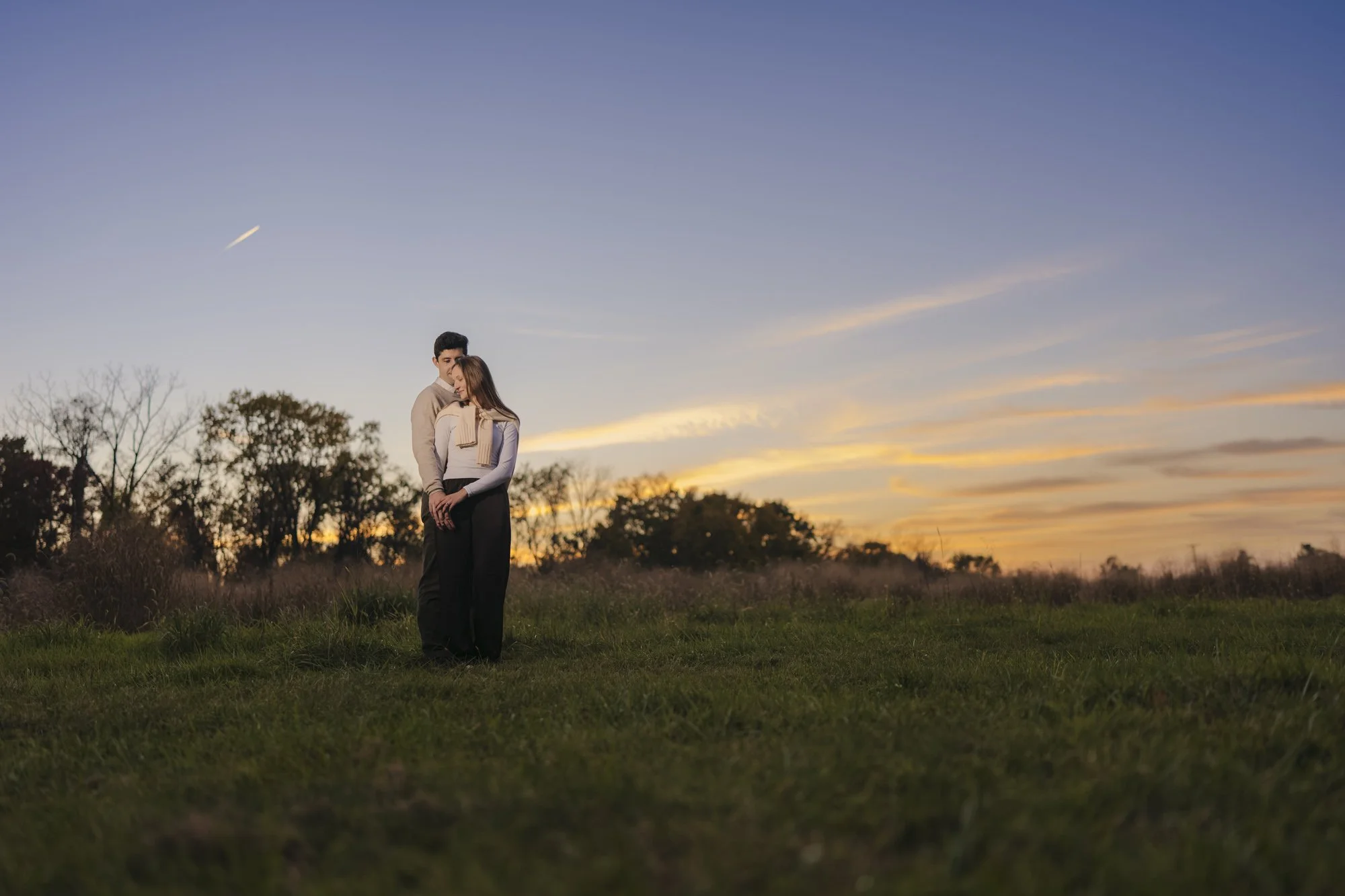
A proposal lasts a few breathtaking seconds. The photos from it become the way you return to that feeling for years. That is why planning surprise proposal photos is less about creating a perfect production and more about making room for a real reaction: the pause, the laughter, the hands over their face, and the unmistakable joy of hearing yes.
The best surprise proposal photographs feel effortless because the planning behind them is thoughtful. A clear plan lets your photographer anticipate the moment without intruding on it, while you stay focused on the person you are about to ask.
Start With a Location That Means Something
A dramatic view can be beautiful, but the right proposal location is not always the most photographed one. Think about places that reflect your relationship: the restaurant where you had an early date, a favorite walk by the water, the garden you visit every season, or a New York City corner that feels like your own.
It also helps to consider how the space will photograph. Open areas offer room for a photographer to work discreetly from a distance. A waterfront promenade, park path, estate garden, or architectural plaza can provide a clean background and natural light without placing either of you in the middle of a crowd.
More intimate locations can be just as meaningful, but they require more preparation. A busy restaurant, a narrow boardwalk, or a small indoor venue may limit sightlines and make it harder for a photographer to remain unnoticed. That does not make those spots off-limits. It simply means the plan needs to be more precise.
When possible, visit the location at the same time of day you plan to propose. Notice where the sun falls, how crowded the area becomes, and whether there is an easy place for your photographer to wait without standing out. In the Northeast, the season matters too. A Jersey Shore beach in July has different challenges than the same beach on a quiet weekday in October.
Planning Surprise Proposal Photos Around Light
Natural light shapes the feeling of an image. The hour before sunset is often flattering and soft, especially for a proposal followed by a few relaxed portraits together. Early morning can also be a wonderful choice for popular public locations because it is quieter and gives you more privacy.
Photography Style Importantance
Many photographers like to hide and photograph this with a very long telephoto lens, which is something I would use to photograph a lion on a safari, but not in a moment like this.
The problem with shooting with long lenses is that it does not bring the viewer into the image. I personally like to shoot with wider lenses, or at the minimum standard lenses, where I'm a little more into the action.
This does not mean that I am involved in any way or intruding on the moment. It just means that I like my images to have a sense of intimacy.
Natural light shapes the feeling of an image. The hour before sunset is often flattering and soft, especially for a proposal followed by a few relaxed portraits together. Early morning can also be a wonderful choice for popular public locations because it is quieter and gives you more privacy.
Still, timing should serve the experience, not just the light. If your partner would be suspicious of an unusually early outing, or if sunset conflicts with a dinner reservation and family plans, a skilled photographer can work with the reality of the day. City shade, overcast skies, indoor light, and nighttime scenes can all be photographed beautifully with the right approach.
The key is to share your actual timeline. Include travel time, parking, reservations, and any reason you are using to get your partner to the location. A photographer can then recommend the best arrival window and choose a position that protects the surprise.
Build in a little extra time
Traffic, delayed trains, crowded paths, and weather changes are common in New Jersey and New York. Plan to arrive 15 to 20 minutes earlier than the proposed moment. That buffer gives your photographer time to confirm the scene, adjust to changing conditions, and communicate if a backup position is needed.
Create a Discreet, Simple Plan
A surprise proposal does not need a complicated system of signals. In fact, simpler is usually better. Agree on a specific spot, a target time, and one subtle confirmation method before the day begins.
For example, you might tell your photographer that you will propose beside a particular bench, at the end of a pier, or in front of a landmark. A brief text when you are five minutes away can be useful, as long as it does not pull you out of the moment. If texting would feel suspicious, a planned gesture such as taking off your coat, stopping to look at the view, or asking someone to take a phone photo can provide a natural cue.
Your photographer should know which direction you expect to approach from and where you plan to stand. This small detail makes a meaningful difference. It allows the photographer to capture your face, your partner's reaction, and the setting without rushing across the space at the critical moment.
There is one trade-off to consider: complete secrecy can sometimes limit communication. If your partner is running late, changes plans, or chooses a different route, your photographer needs enough information to adapt. Share a current phone number and be open about any parts of the plan that may shift.
Think Through the Moment Itself
You do not need to memorize a speech. A proposal is more moving when it sounds like you. Consider a few thoughts you want to express: what you admire about your partner, a memory that changed the way you saw your future, and why you want to build that future together.
Then give yourself permission to speak naturally. You may forget a line. You may laugh halfway through. Your partner may interrupt you with tears before you reach the question. Those are not mistakes. They are the details that make the photographs feel honest.
For photographs, take a breath before getting down on one knee. Turn slightly so you are not directly backlit or facing away from the photographer if the location allows. Once you ask, stay there for a moment. Let your partner respond, hug, look at the ring, and take it all in. The instinct to hurry through the next step is understandable, but those few extra seconds often hold the most emotional images.
Make Room for Portraits After the Yes
The proposal is documentary by nature. The portrait time afterward can be equally meaningful, especially when the adrenaline settles and you finally get to look at each other as an engaged couple.
Plan for 20 to 30 minutes after the proposal if your schedule permits. This is not about stiff posing or turning the moment into a formal photo shoot. It is a chance to walk together, show off the ring, take in the setting, and create a few polished images while the happiness is still fresh.
If friends or family are waiting nearby, decide whether you want them to join immediately or after a few private minutes. A surprise celebration can add wonderful energy, particularly if loved ones have traveled in for the occasion. On the other hand, some couples value a quiet pause before sharing the news. Neither choice is more meaningful. It depends on what will let you both be fully present.
Choose outfits with the full plan in mind
You do not need to dress like you are attending a photo shoot, but the outfit should make sense for the setting and the possibility of portraits. If you are planning a dressed-up dinner, that may be all the explanation needed. If you are proposing during a casual walk, choose clothes you both feel comfortable wearing and that suit the weather.
Avoid creating a reason for the outing that feels unlike you. A sudden formal outfit for a weekday coffee run can raise questions. A believable plan is one that fits your relationship and your usual routines.
Prepare for Weather Without Losing the Feeling
Rain does not automatically ruin a proposal. A light drizzle can create a cinematic atmosphere, and an umbrella can become part of the story. But a weather plan protects you from having to make a rushed decision under pressure.
Choose a nearby covered option, such as a conservatory, hotel entrance, arcade, or sheltered section of a venue. If flexibility is possible, keep an alternate date in mind. The best choice depends on how much the location matters, whether guests are involved, and how comfortable you both are being outdoors.
Communicate openly with your photographer in the days leading up to the proposal. An experienced professional can help assess light, crowds, and conditions, then adjust the plan without turning the day into a source of stress.
Trust the Person Behind the Camera
A surprise proposal photographer should be more than someone waiting to press the shutter. They should understand how to blend into a space, read a fast-moving emotional moment, and guide you calmly once the surprise is over.
At Delgado Studios, Joseph personally photographs each proposal with a quiet, prepared approach. The goal is never to make a private milestone feel staged. It is to preserve the real exchange, then create refined portraits that still feel like the two of you.
Share what matters most before the day arrives. Maybe it is the reaction on your partner's face, the ring your grandmother passed down, the skyline behind you, or the family waiting around the corner. Those details help shape coverage around your story rather than a formula.
When the moment comes, let the plan do its work. Hold their hand, say what you came to say, and give yourselves permission to feel every second of it. The photographs will take care of the rest.