
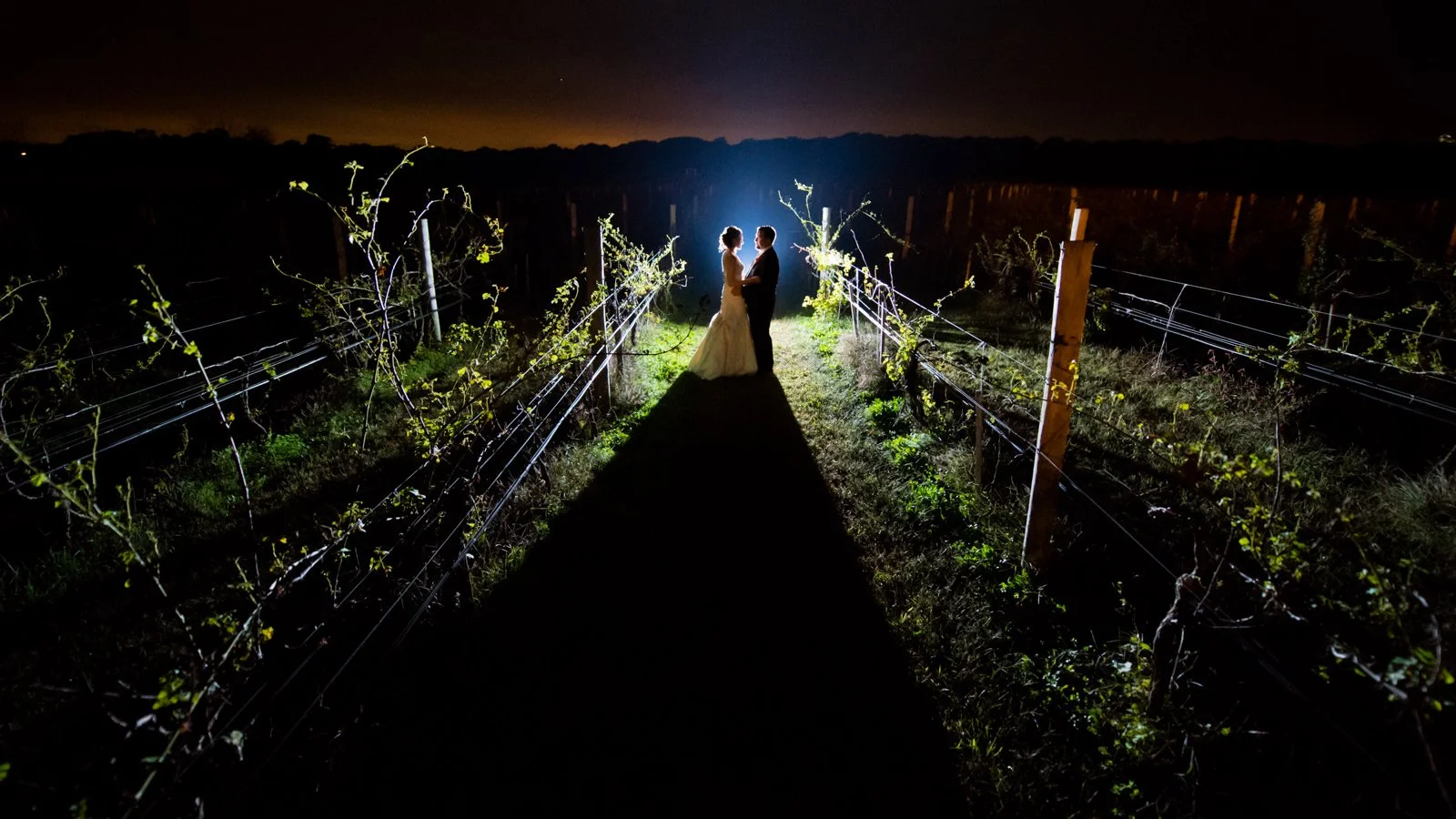
How to Use AI to Plan a Wedding
After fifteen years of photographing weddings, I have watched couples arrive at their wedding day in two very different states of mind. Some are relaxed, present, and completely in the moment — and those are almost always the couples whose photographs are extraordinary. Others arrive frazzled, overwhelmed by last-minute chaos, and mentally exhausted from months of planning gone sideways. The difference between those two groups usually comes down to how well they planned, and how much support they had along the way.
Over the past couple of years, I have watched something remarkable happen in the world of wedding planning: artificial intelligence has quietly become one of the most powerful tools a couple can use to get organized, stay on budget, and make smarter decisions before the big day. I want to walk you through exactly how to use AI to plan a wedding — not in a vague, theoretical way, but practically, the way I would tell a close friend.
Starting with a Vision: Let AI Help You Find Your Aesthetic
One of the hardest things for couples to do early in the planning process is articulate what they actually want. You might know you love the idea of something "romantic" or "rustic," but those words mean completely different things to a florist, a venue coordinator, and a photographer like me.
AI tools like ChatGPT, Claude, and Google Gemini are excellent conversation partners for this stage. Try describing your relationship, the feeling you want guests to walk away with, even the music you picture playing during your first dance. The AI can help you turn that loose inspiration into a coherent aesthetic vocabulary — words and descriptions you can actually bring to vendors. When I meet with couples who have done this kind of work beforehand, our consultation is so much more focused. I can understand immediately whether they want something cinematic and editorial or soft and intimate, and I can show them the right work from my portfolio right away.
Building a Realistic Budget
Budget conversations are awkward. No one loves them. But nothing derails a wedding faster than running out of money in month six of a twelve-month engagement. AI is genuinely useful here, not because it knows your local market perfectly, but because it can help you think systematically.
You can describe your guest count, your city, the time of year, and your overall vision, and ask an AI tool to help you build a realistic line-item budget. It can walk you through categories you might forget — things like postage for invitations, gratuities for vendors, alterations for your dress or suit, a day-of emergency kit, and transportation for the wedding party. These small items add up, and I have seen couples blindsided by them repeatedly.
Use AI as a starting point, then validate every number with actual quotes from local vendors. The AI gives you a framework; real vendors give you the truth.
Creating and Managing Your Timeline
A wedding day timeline is one of the most important documents in existence on your wedding day — and most couples underestimate how complicated it is to build a good one. I know this better than almost anyone, because as a photographer, a bad timeline is one of the few things that can genuinely affect the quality of your images. If we run out of golden hour light, there is no recovering it.
AI can help you build a detailed, realistic timeline that accounts for getting ready, travel time between locations, cocktail hour, the ceremony, portraits, dinner, toasts, and every other moving piece. You simply describe your day and your priorities, and the AI can generate a working draft. You then refine it with your photographer, your coordinator, and your venue. I always encourage my couples to share their draft timeline with me before it is finalized so we can protect that light together.
"A well-built timeline doesn't just keep the day on schedule — it creates breathing room for spontaneous, beautiful moments that can never be planned."
Writing Your Vows
I have photographed a lot of vow exchanges, and I will tell you honestly: the ones that make everyone cry — including me — are almost never the polished, perfectly rehearsed ones. They are the ones that sound like the person who wrote them. Raw, specific, and real.
AI can help you write vows, but I would encourage you to use it as a collaborator rather than a ghostwriter. Tell it stories about your partner. Tell it what you love most about them, what you are most nervous about promising, what you want them to know in front of everyone you love. Let the AI help you shape and refine your words — not replace them. The result will be something that sounds like you, only more articulate.
Guest Management and Seating Charts
Guest lists and seating charts are a logistical puzzle that can consume entire weekends. AI tools are excellent at helping you think through these challenges. You can describe family dynamics — divorced parents who need to be at opposite ends of the room, a group of college friends who all want to be together, elderly grandparents who need to be near the exit — and ask the AI to suggest a seating arrangement strategy. You can also use it to draft table names, write personalized welcome notes, or put together FAQs for your wedding website about travel, accommodations, and the dress code.
Vendor Research and Questions to Ask
Finding the right vendors is one of the most time-consuming parts of planning. AI can help you research what questions to ask each type of vendor before you meet with them, which is incredibly valuable. Couples who show up to vendor meetings unprepared often end up choosing vendors based on personality alone, rather than on whether the vendor is actually right for their day.
As a NJ wedding photographer, I love meeting with couples who have clearly done their homework. They ask about my backup equipment, my approach to low-light receptions, how I handle inclement weather, what my delivery timeline looks like, and whether I've shot at their venue before. Those conversations are so much richer, and they almost always lead to a better working relationship on the wedding day itself.
Ask an AI to generate a list of questions to bring to every vendor consultation — your venue, caterer, florist, DJ or band, officiant, and photographer. You will walk into those meetings feeling confident and come out with the information you actually need to make good decisions.
Day-of Coordination Prep
Even if you are not hiring a full wedding planner, AI can help you create a day-of coordination document that keeps everyone on the same page. This document typically includes the master timeline, a vendor contact sheet with phone numbers, the ceremony order, the music playlist with cues, the reception program, and any special instructions for family members or the wedding party.
You can describe all of this information to an AI tool and ask it to organize everything into a single, clear document. Then share it with every vendor the week before the wedding. In my experience, the single greatest predictor of a smooth wedding day is whether or not every vendor received — and read — that document.
Honeymoon Planning
Once the wedding planning is done, you still have a honeymoon to figure out — and this is an area where AI genuinely shines. Describe your budget, how long you want to travel, what kind of experience you are after (adventure, relaxation, culture, a mix of all three), and whether you have any dietary restrictions or accessibility needs. AI tools can suggest destinations you might not have considered, help you build day-by-day itineraries, and even help you figure out what to pack.
After months of planning a wedding, the last thing you want is to spend weeks agonizing over honeymoon logistics. Let AI do the heavy lifting so you can actually look forward to the trip.
What AI Cannot Replace
I want to be honest with you here, because I think it is important. AI is a remarkable tool, but it is not magic, and it cannot replace the human expertise and creative instincts that the best wedding vendors bring to your day.
AI does not know how the light falls through the windows of your specific venue at four in the afternoon. It does not know how to read the room at a reception and sense that the dance floor is about to erupt into something worth capturing. It does not know your grandmother's laugh or the look on your partner's face when they see you for the first time. Those moments — the ones you will want to look at for the rest of your life — require a human being who has spent years developing the instincts and the craft to capture them.
Use AI to get organized. Use it to save time on logistics. Use it to think through problems and sharpen your vision. And then trust the humans you hire to bring that vision to life in ways that no algorithm can replicate.
Final Thoughts
Fifteen years of photographing weddings has taught me that the couples who enjoy their wedding day the most are the ones who were the most prepared for it — not because they controlled every detail, but because they had done the work beforehand so they could let go on the day itself. AI is one of the best tools I have ever seen for helping couples reach that place of calm, confident preparation.
Start early. Use AI to brainstorm, budget, organize, and research. Build your team of vendors carefully, and communicate with them clearly. And when your wedding day finally arrives, put your phone away, take a breath, and let yourself be fully present for every moment of it.
Those are the moments worth photographing. And I promise — I will be there to capture them.
— Joseph Delgado, Founder & Lead Photographer, Delgado Studios